
Understanding the Importance of a Tire Pressure Gauge
Tire pressure maintenance is crucial for ensuring safety, performance, and fuel efficiency in vehicles. One essential tool for this task is the tire pressure gauge, which comes in various forms, such as digital and analog. A tire pressure gauge allows drivers to accurately measure the air pressure in their tires, ensuring they remain at optimal levels. Regularly checking tire pressure can prevent uneven tire wear, reduce the risk of blowouts, and improve overall driving experience.
Exploring Types of Tire Pressure Gauges
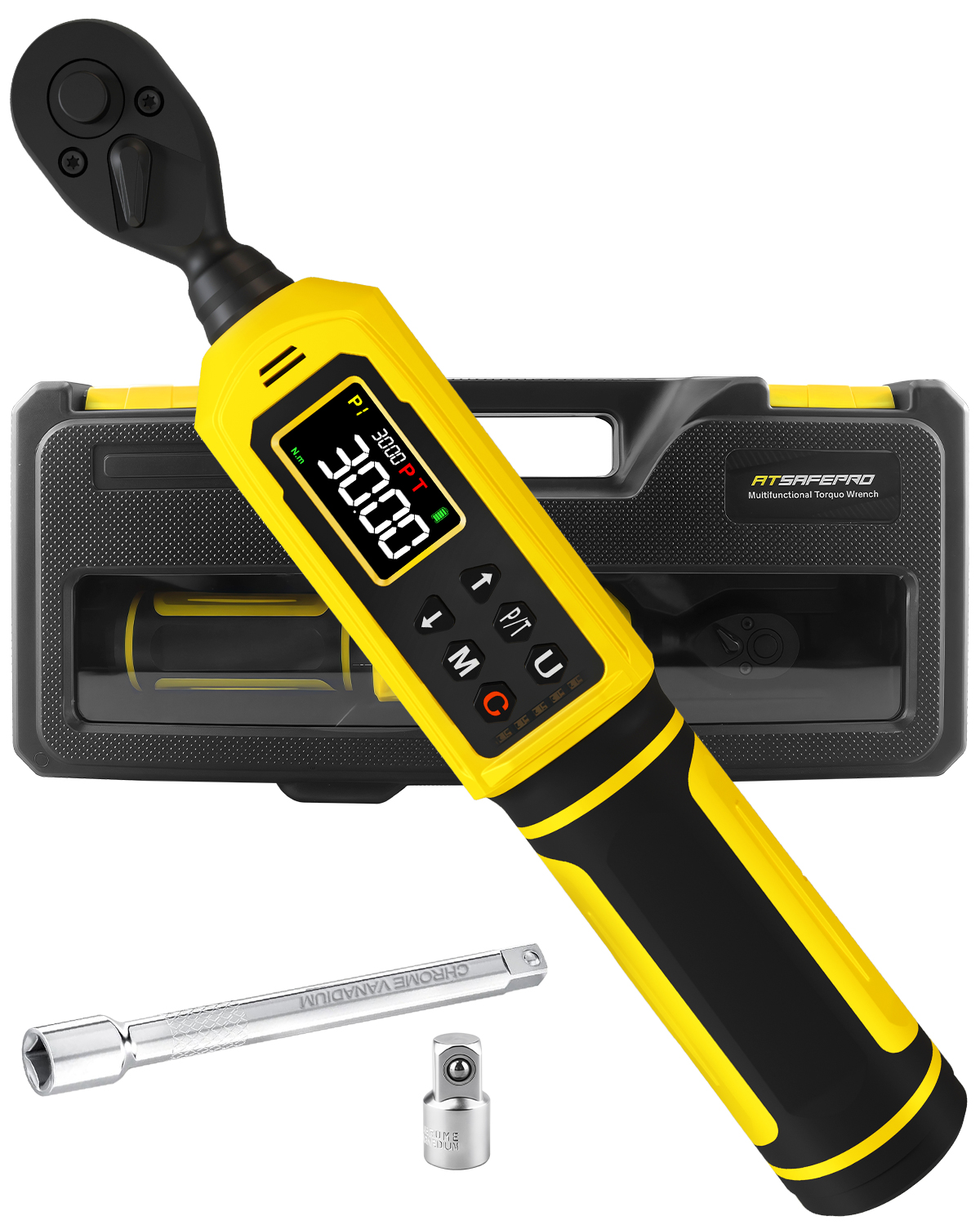
Tire pressure gauges primarily come in two types: digital and analog. A digital tire pressure gauge offers easy-to-read displays and often provides quick, accurate readings. These gauges are generally favored for their precision and ease of use, making them a popular choice for those who seek convenience. On the other hand, analog tire pressure gauges are valued for their simplicity and durability. Featuring mechanical dials, these gauges can withstand various environmental conditions and operate without requiring batteries. The choice between a digital and analog tire pressure gauge largely depends on personal preference and specific usage needs.
How to Use a Tire Pressure Gauge Effectively
Using a tire pressure gauge is a straightforward process, but understanding the correct method can enhance its effectiveness. First, ensure your vehicle is parked on a flat surface. Locate the tire's valve stem, which is typically covered by a small cap. Remove the cap and press the gauge onto the valve stem, ensuring a firm connection to prevent air leaks. For digital gauges, the reading will appear on the display almost immediately. If using an analog gauge, observe the dial closely to determine the current pressure level. Compare these readings with the vehicle manufacturer’s recommended tire pressure, located either in the owner's manual or on a sticker inside the driver's side door jamb. Adjust the tire pressure accordingly, adding or releasing air as necessary.
Innovation in Tire Pressure Management
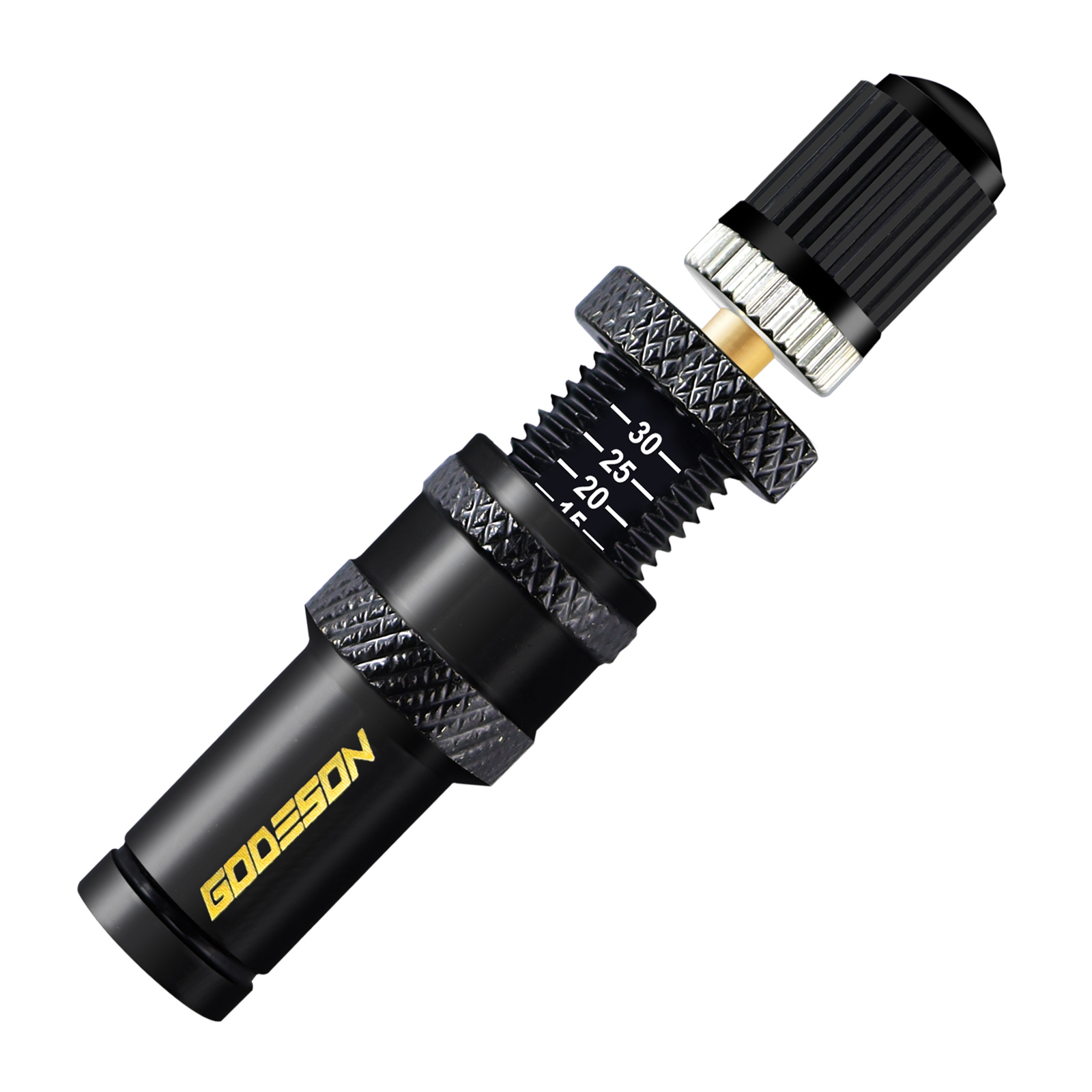
Our company introduces the latest innovation in tire pressure management—a remarkable analog tire pressure gauge that marries functionality with style. This gauge epitomizes precision and ease, wrapped in a sleek, rugged package. It features a dual-range pressure measurement system, allowing users to switch between psi and bar. The gauge is crafted with a robust brass stem and intricately detailed valve connector, promising durability and elegance. Enhanced with a rugged tire-like bezel encasing, this gauge provides protection against drops and bumps. This product caters to everyday commuters, off-road enthusiasts, and dedicated track riders, becoming a reliable companion for tire maintenance.
Conclusion
Tire pressure gauges are indispensable tools in the automotive industry, ensuring safety and performance consistency. By understanding the types and uses of these gauges, drivers can maintain optimal tire conditions with ease. With innovations like our analog tire pressure gauge, tire management becomes not only efficient but stylish. Whether opting for digital or analog models, tire pressure gauges are a worthy investment for any vehicle owner.