
Tire Pressure Guidelines: What’s Right for Your Vehicle Type?
Tire pressure isn’t a one-size-fits-all number. A compact car, a heavy-duty truck, and an electric SUV all have unique requirements based on their weight, design, and intended use. Understanding these differences can help you keep your tires in top shape—boosting safety, fuel efficiency, and longevity. Let’s dive into the specifics for common vehicle types.
Compact Cars and Sedans
Smaller vehicles like compact cars, hatchbacks, and sedans are designed for daily commuting and fuel efficiency. Their tires are narrower and carry less weight, so their pressure needs are relatively moderate.
- Typical range: 30 to 35 psi (pounds per square inch).
- Why? This range balances comfort, traction, and rolling resistance. Too low, and you’ll notice sluggish handling and increased fuel use; too high, and the ride becomes bumpy, with uneven wear on the tire’s center.
- Pro tip: Check the driver’s side door jamb or owner’s manual for exact specs—some sportier sedans may require slightly higher pressure (33-36 psi) for better performance.
SUVs and Crossovers
SUVs and crossovers bridge the gap between cars and trucks, offering more space and versatility. They’re heavier than sedans but lighter than full-size trucks, so their tire pressure sits in a middle range—with a twist for off-road models.
- Standard SUVs/crossovers: 32 to 38 psi.
- Off-road-focused SUVs: May recommend 28 to 32 psi for off-pavement use (lower pressure increases tire contact with the ground, improving grip on dirt or rocks). Always reinflate to highway specs when returning to paved roads!
- Why the variance? Extra weight from passengers or cargo in SUVs demands higher pressure to prevent underinflation, which can lead to overheating and tire failure.
Trucks and Pickups
Trucks are workhorses, built to haul heavy loads or tow trailers. Their tires are sturdier, and pressure requirements shift dramatically based on whether they’re empty or loaded.
- Light-duty trucks (empty): 35 to 40 psi.
- Heavy-duty trucks or when towing/hauling: 45 to 50 psi (or higher, per the manual). The added weight requires more pressure to maintain stability and prevent tire sag.
- Why? Underinflated truck tires under load flex excessively, generating heat that can cause blowouts—a serious risk when towing. Overinflation, however, reduces traction and makes the ride harsh.
Electric Vehicles (EVs)
Electric cars are gaining popularity, and their tire pressure needs are a bit different due to their heavier batteries.
- Typical range: 35 to 42 psi.
- Why higher? EVs are 10-30% heavier than comparable gas-powered cars, so their tires need more pressure to support the extra weight. Higher pressure also reduces rolling resistance, which helps maximize battery range—a key priority for EV drivers.
- Note: Some EVs use low-rolling-resistance tires, which are designed to work with higher pressure, so stick strictly to the manufacturer’s numbers.
What About Spare Tires?
Don’t forget the spare! Most temporary spares (the small “donut” tires) require much higher pressure—often 60 psi—since they’re only meant for short, slow trips (usually under 50 miles). Full-size spares typically match the pressure of your regular tires.
The Golden Rule: Always Check the Manufacturer’s Specs
While these ranges are helpful, your vehicle’s unique recommendation is the only one that matters. Manufacturers test tire pressure extensively for your specific make and model, considering factors like suspension, weight distribution, and safety standards.
Where to find it:
- Driver’s side door jamb (most common).
- Owner’s manual (look for “tire pressure” or “inflation specifications”).
- Fuel door or glove box (less common, but worth checking).
Final Thoughts
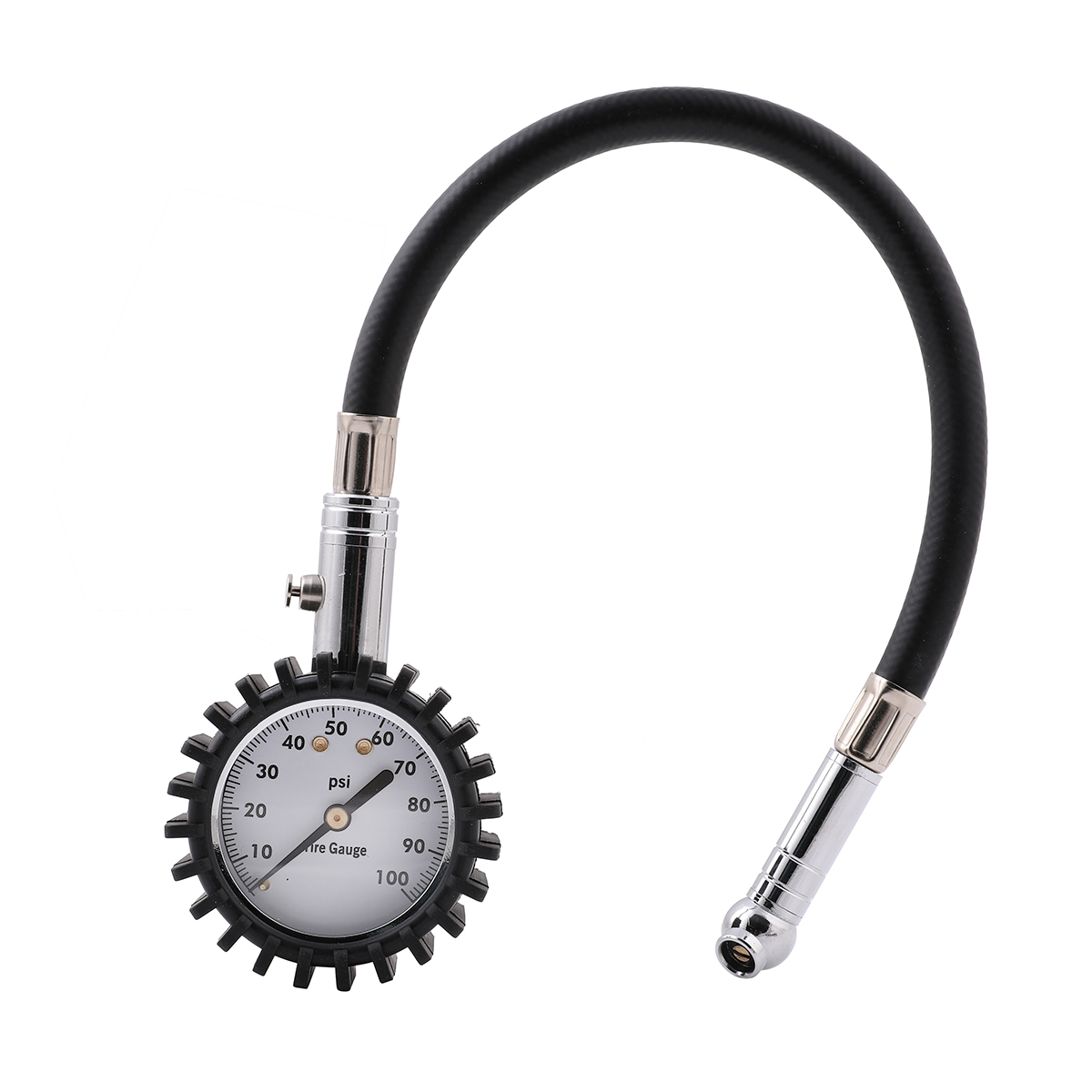
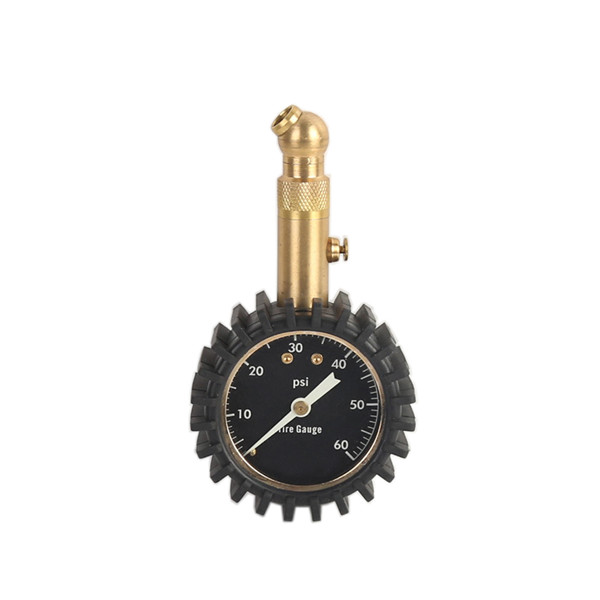
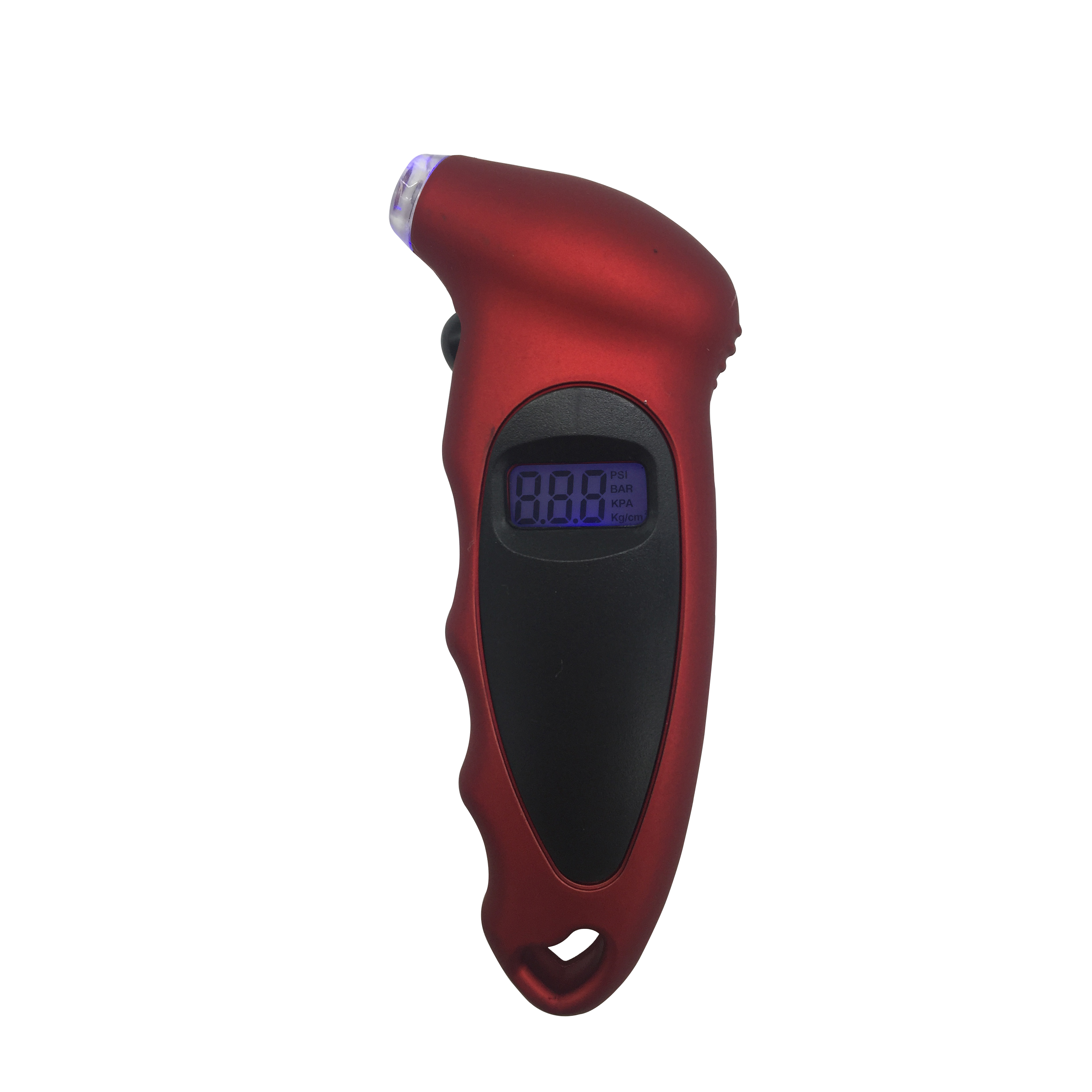
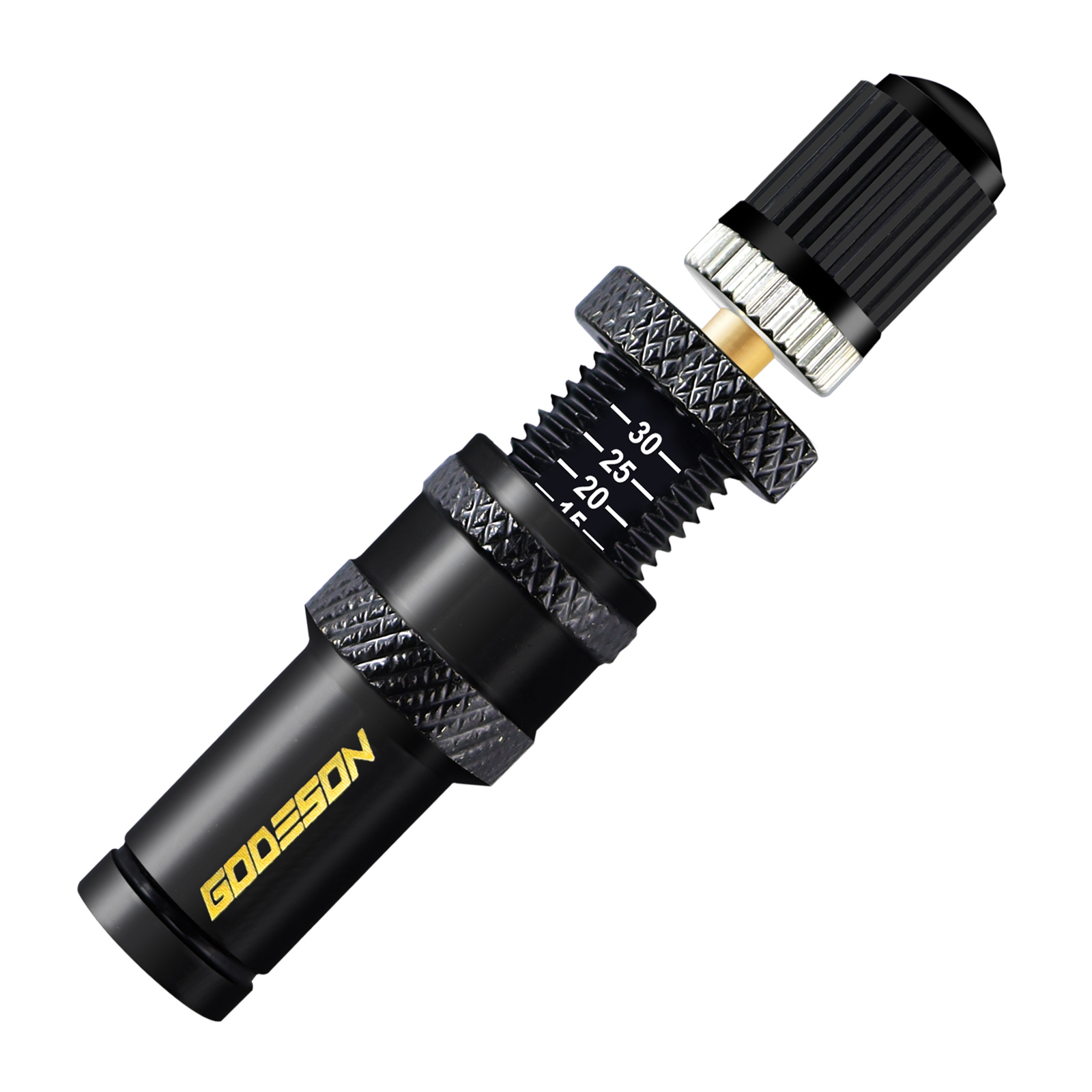
Tire pressure is a small detail with big consequences. Whether you drive a zippy sedan, a rugged truck, or a sleek EV, taking 5 minutes to check and adjust pressure monthly can save you money on fuel and replacements—while keeping you safer on the road. Grab a reliable gauge, check when tires are cold, and let your vehicle’s manual be your guide. Your tires (and wallet) will thank you.