
## 1. Basic Tire Repair Tool Kit
1. **Tire Plug Kit**
- Tapered reamer: Cleans and enlarges the puncture hole
- Insertion tool: Pushes the repair plug into the tire
- Rubber repair plugs: Material used to seal punctures
2. **Patch Repair Kit (Internal Repair)**
- Tire levers (2-3 pcs): Used to remove the tire
- Tire buffing tool: Prepares the repair area
- Patch strips: For internal repairs
- Rubber cement: Bonds the patch to the tire
- Pressure roller: Ensures a strong seal
## 2. Additional Tools
1. **Inflation Equipment**
- Portable air pump (12V car-powered or rechargeable)
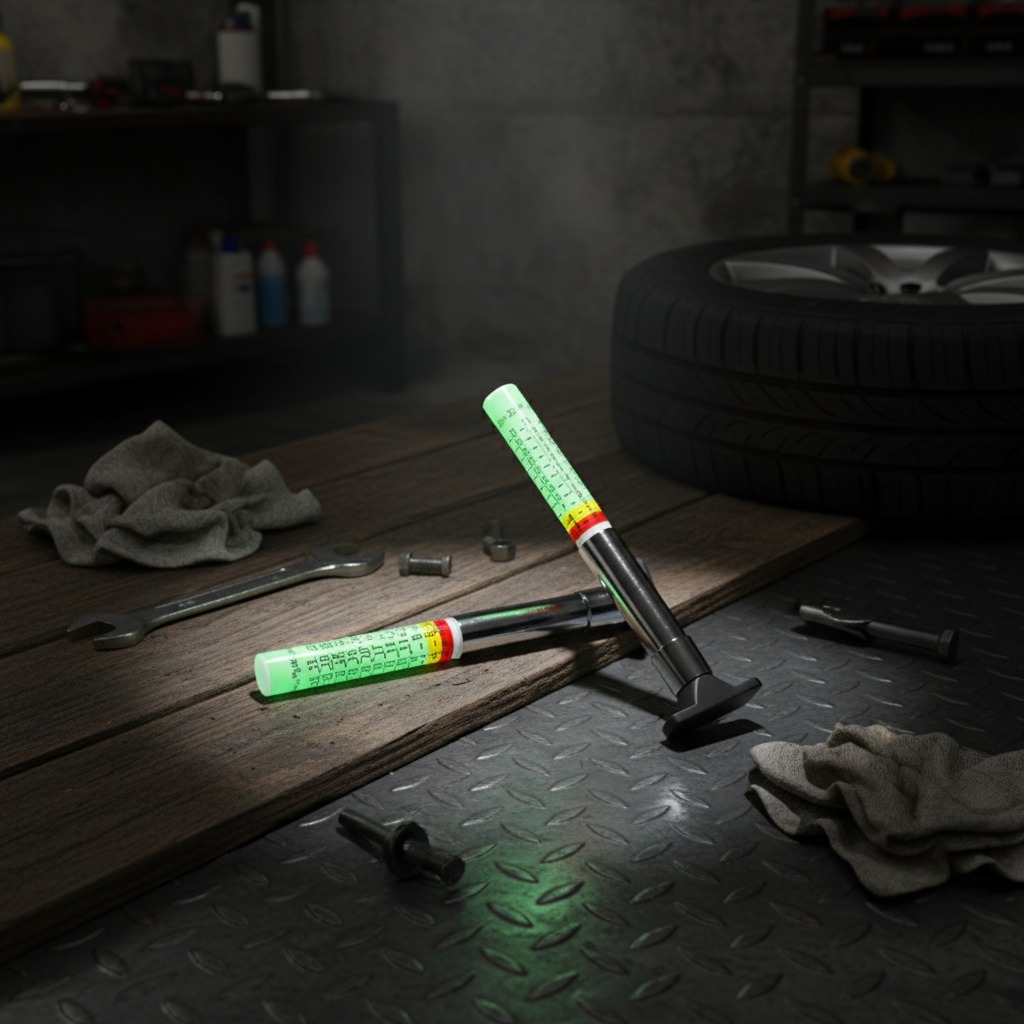
- Tire pressure gauge: Checks pressure after repair
2. **Removal Tools**
- Jack: Lifts the vehicle
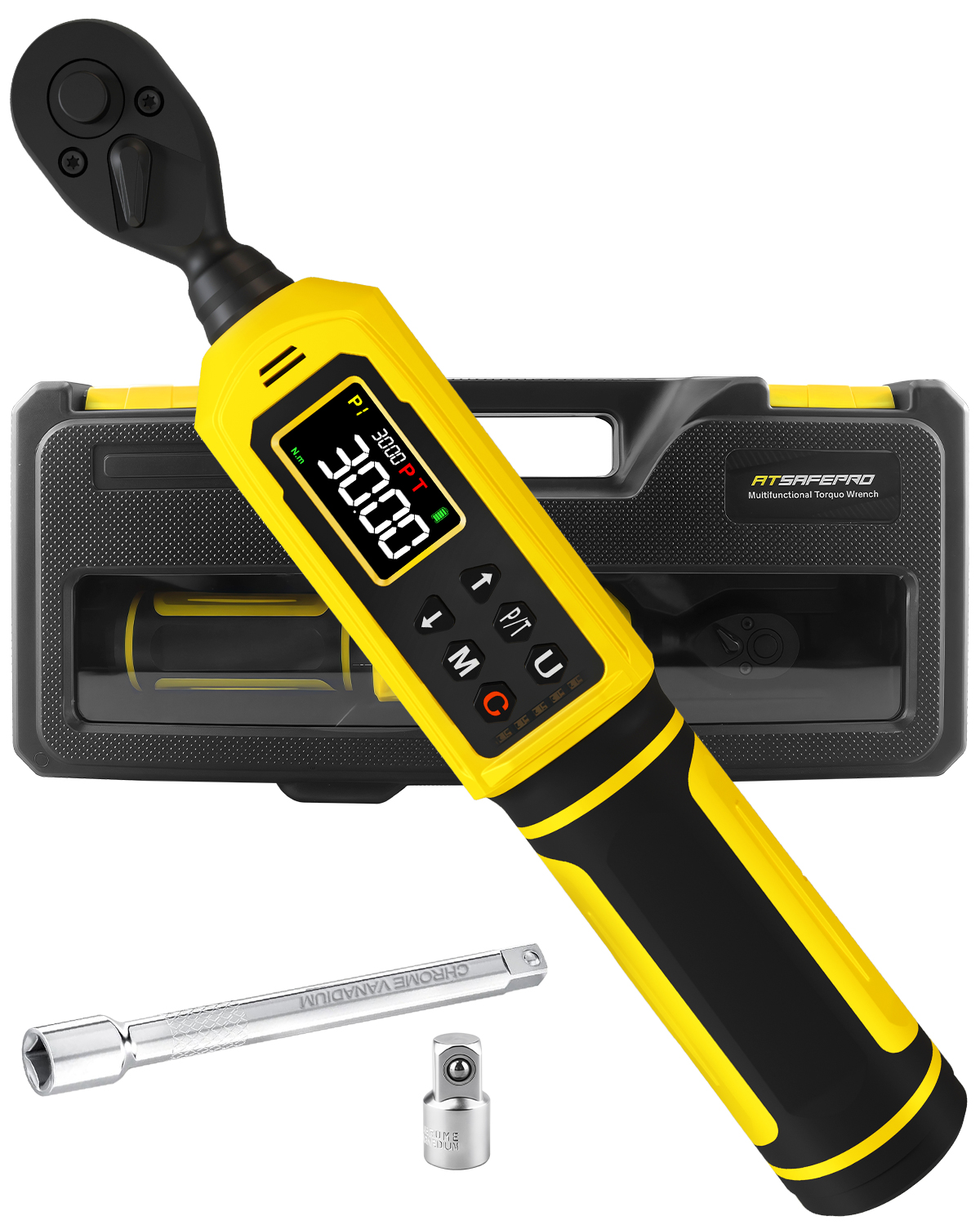
- Lug wrench set: Removes wheel nuts
- Wheel cap remover
3. **Cleaning & Prep Tools**
- Tire marker
- Wire brush
- Rubber cleaner
## 3. Professional Repair Tools (For Repair Shops)
1. Tire mounting/dismounting machine
2. Wheel balancer
3. Hot patch equipment
4. Professional leak detection tools (soap spray, electronic leak detectors, etc.)
## 4. How to Use a Tire Plug Kit (External Repair Method)
1. Locate the puncture: Use soapy water to find the leak
2. Clean the puncture area
3. Ream the hole to clean and widen it
4. Thread the repair plug into the insertion tool
5. Insert the plug into the hole, leaving a small portion outside
6. Remove the tool and trim excess plug material
7. Inflate the tire and check for leaks
## 5. Tool Selection Tips
1. Choose reputable brands for better quality
2. Portable kits are ideal for emergency car use
3. Home users may opt for multi-functional sets
4. Check tool material and craftsmanship
5. Read user reviews and expert recommendations
## 6. Safety Precautions
1. Ensure the vehicle is parked on a flat, stable surface before repair
2. Use wheel chocks when jacking up the car
3. Check tire pressure and balance after repair (if possible)
4. External plugs are temporary—seek professional repair ASAP
5. Sidewall damage cannot be repaired; tire replacement is necessary
## 7. Tool Maintenance & Storage
1. Keep tools clean and dry
2. Regularly check if repair materials have expired
3. Secure car tools to prevent movement while driving
4. Keep rubber products away from direct sunlight and heat
Having a complete tire repair kit can save time and money in emergencies. However, remember that DIY repairs are temporary—always visit a professional repair shop for serious tire damage to ensure driving safety.