
Tire Tread Depth Gauge: An Essential Tool for Safe Driving
Introduction
When it comes to vehicle safety, one crucial aspect that often goes overlooked is the condition of your tires. The tread on your tires plays a vital role in ensuring proper traction, handling, and braking, especially in various weather conditions. A tire tread depth gauge is a simple yet highly effective tool that can help you monitor the health of your tires and maintain optimal driving safety. In this blog post, we'll explore everything you need to know about tire tread depth gauges, from how they work to why they are so important.
Why Measure Tire Tread Depth?
Tire tread depth is directly related to the tire's ability to grip the road. As the tread wears down over time due to normal driving, the tire's performance gradually deteriorates. Here are some key reasons why measuring tire tread depth is essential:
- Safety: Adequate tread depth is crucial for safe driving, especially in wet or snowy conditions. Shallow treads can reduce the tire's ability to channel water away, increasing the risk of hydroplaning. In snowy or icy conditions, good tread depth provides the necessary traction to keep your vehicle stable.
- Legal Requirements: In many countries and regions, there are legal minimums for tire tread depth. For example, in the United States, the Department of Transportation recommends replacing tires when the tread depth reaches 2/32 of an inch (about 1.6 mm). In some states, this is also a legal requirement.
- Longer Tire Life: By regularly monitoring tread depth, you can identify uneven wear patterns early on. This allows you to take corrective actions such as tire rotation or alignment adjustments, which can extend the life of your tires and save you money in the long run.
Types of Tire Tread Depth Gauges
There are several types of tire tread depth gauges available on the market, each with its own advantages and features. Here are some of the most common types:
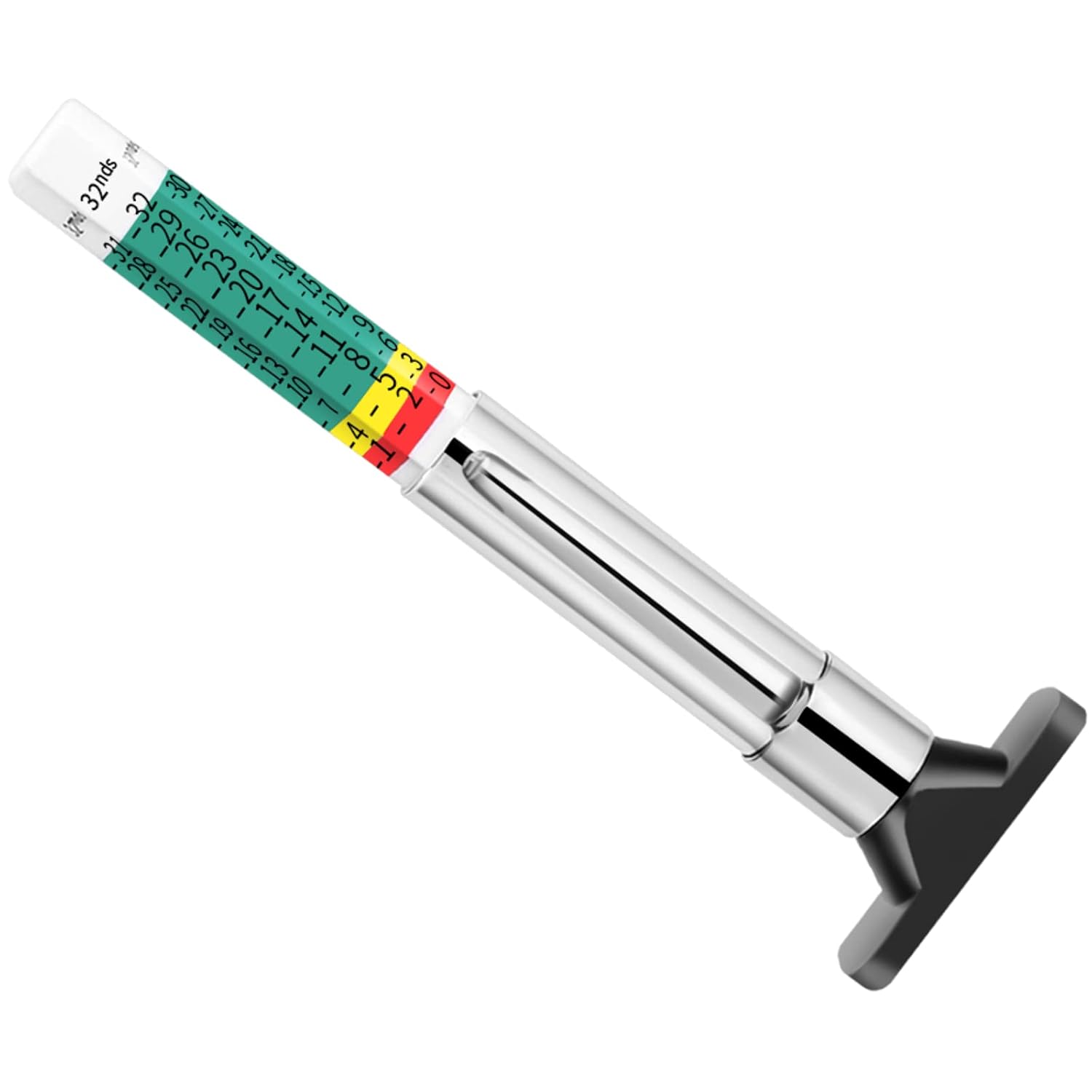
1. Manual Tread Depth Gauges: These are the simplest and most affordable type of tread depth gauges. They typically consist of a metal or plastic ruler with a probe at one end. To use, you insert the probe into the tire tread groove and read the depth measurement on the ruler. Manual gauges are easy to use and require no batteries or calibration. However, they may not be as accurate as some other types of gauges.
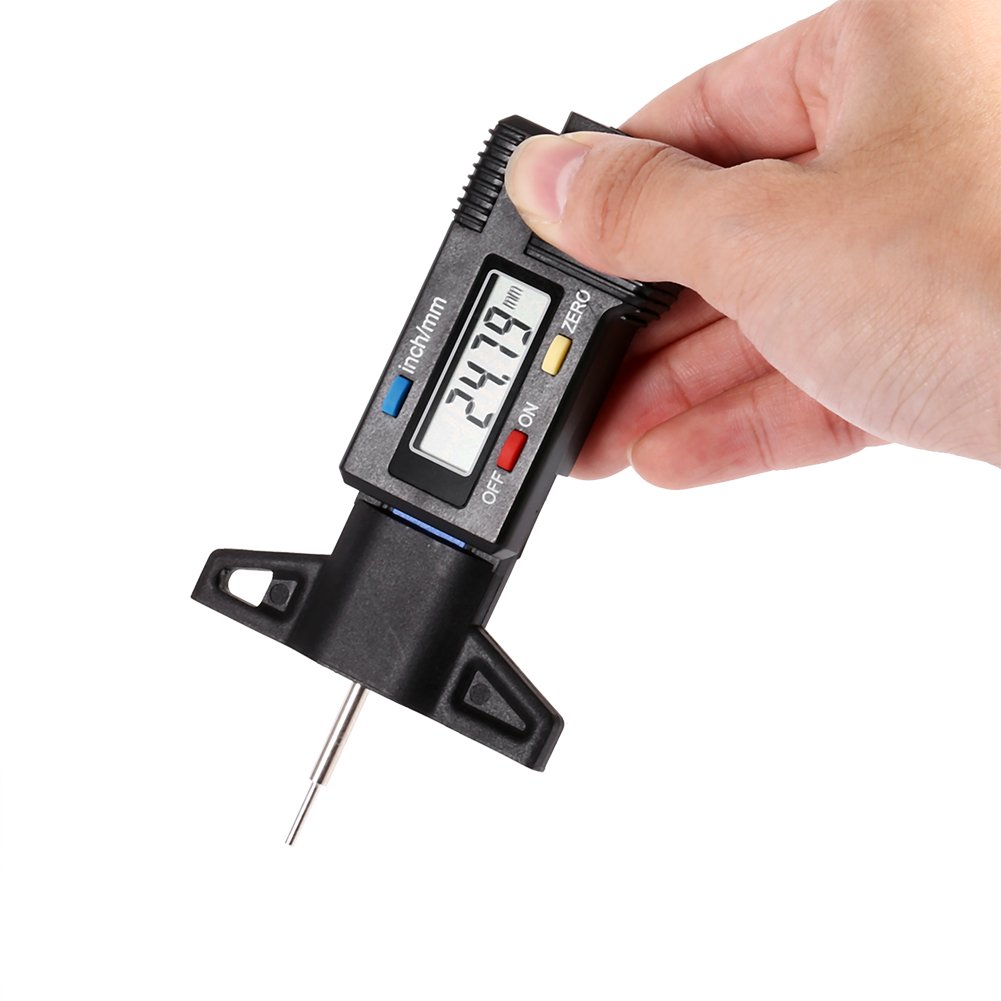
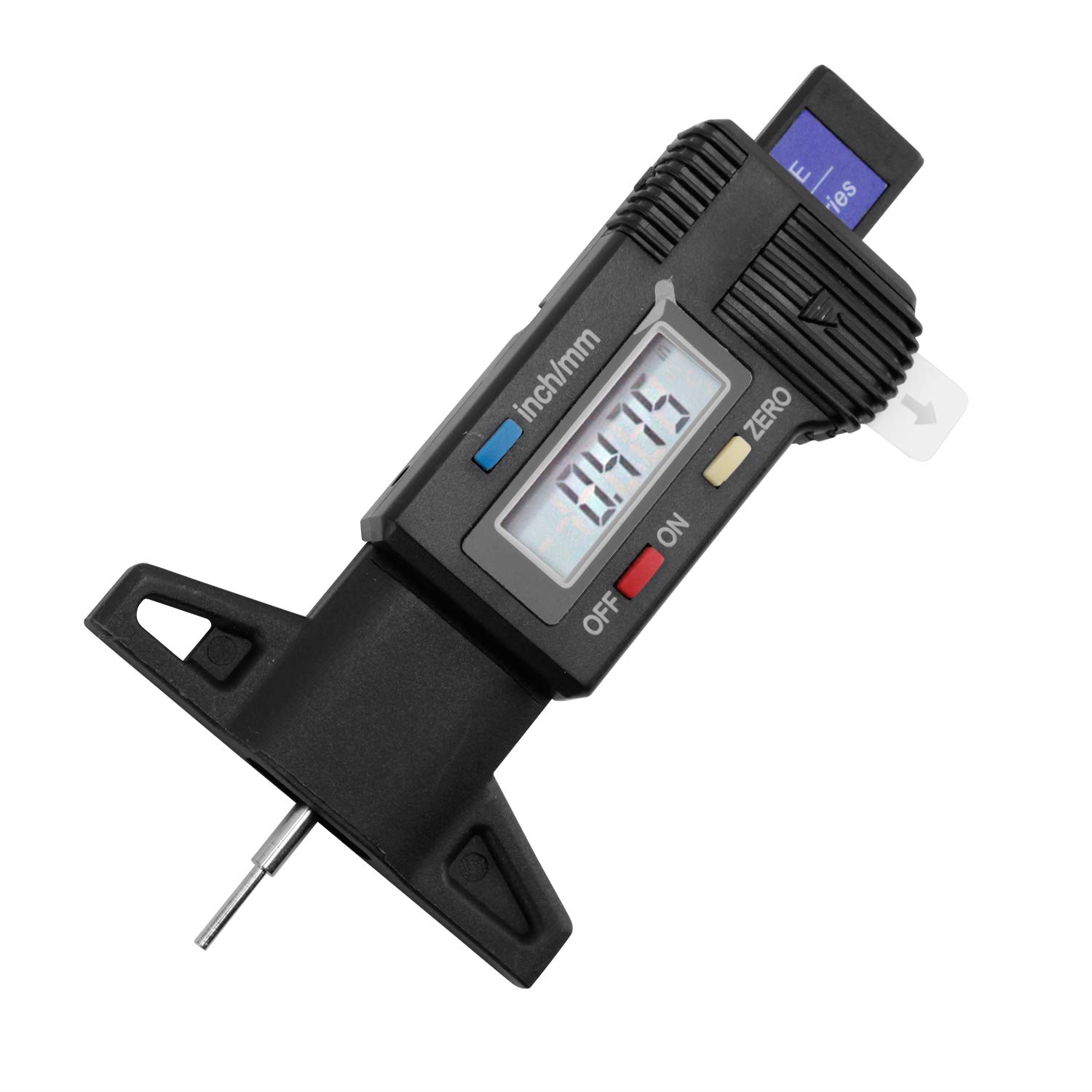
- Digital Tread Depth Gauges: Digital gauges offer a more precise and convenient way to measure tire tread depth. They use electronic sensors to provide accurate readings, which are displayed on an LCD screen. Many digital gauges also offer additional features such as the ability to switch between different units of measurement (e.g., inches and millimeters), auto-off function to save battery life, and the option to zero the gauge at any position for easy adjustment.
How to Use a Tire Tread Depth Gauge
Using a tire tread depth gauge is a relatively simple process, but it's important to follow the correct steps to ensure accurate measurements. Here's a general guide on how to use a manual or digital tire tread depth gauge:
- Prepare the Gauge: If you're using a manual gauge, make sure it's clean and free of any debris. Check that the probe moves freely. For digital gauges, ensure that the battery is charged or fresh. Some digital gauges may require calibration before use, so follow the manufacturer's instructions for this step.
- Select the Tread Grooves to Measure: Choose several main tread grooves on the tire to measure. It's a good idea to measure at least three different locations around the tire to get an average reading. Avoid measuring near the tire's edges or in areas where there may be visible signs of uneven wear or damage.
- Insert the Probe: Insert the probe of the gauge into the selected tread groove. Make sure the probe is inserted straight down and reaches the bottom of the groove. For manual gauges, hold the gauge steady and perpendicular to the tire surface. For digital gauges, simply press the gauge against the tire tread, ensuring good contact.
- Read the Measurement: For manual gauges, read the measurement on the ruler where the probe aligns. The measurement is usually in inches or millimeters. Some gauges may have a fractional scale, so you may need to convert the fraction to a decimal if necessary. For digital gauges, the reading will be displayed on the LCD screen. Take note of the measurement.
- Repeat for Other Grooves and Tires: Repeat the measurement process for the other selected tread grooves on the same tire. Then, repeat the entire process for each tire on your vehicle. Remember, tires can wear unevenly, so it's important to measure each one.
- Calculate the Average Tread Depth: Add up all the measurements you took for each tire and divide by the number of measurements to get the average tread depth for that tire. This will give you a more accurate representation of the tire's overall tread condition.
Understanding the Results
Once you've measured the tread depth of your tires, it's important to know what the results mean. Here are some general guidelines for interpreting tire tread depth measurements:
- Good Tread Depth: A tire with a tread depth of 6/32 of an inch (about 4.8 mm) or more is considered to have good tread depth. Tires in this condition should provide excellent traction and handling in most driving conditions.
- Wearing Tires: When the tread depth drops to between 4/32 and 6/32 of an inch (about 3.2 - 4.8 mm), the tires are starting to show signs of wear. While they may still be safe to drive on, it's a good idea to start planning for tire replacement in the near future. You may also want to consider rotating your tires more frequently to promote even wear.
- Needing Replacement: Tires with a tread depth of 2/32 of an inch (about 1.6 mm) or less are at the legal minimum in many areas and should be replaced as soon as possible. At this depth, the tires' ability to grip the road and channel water is significantly reduced, increasing the risk of hydroplaning and other safety hazards.
| 6/32" or more | Good |
| 4/32" - 6/32" | Wearing |
| 2/32" or less | Needing Replacement | ]
Tips for Maintaining Proper Tire Tread Depth
In addition to regularly measuring tire tread depth, there are several things you can do to help maintain proper tread depth and extend the life of your tires:
- Proper Inflation: Keep your tires inflated to the recommended pressure. Underinflated tires can cause uneven wear, which can lead to premature tread wear. Check your vehicle's owner's manual or the tire sidewall for the correct inflation pressure.
- Regular Rotation: Rotate your tires according to the manufacturer's recommended schedule. This helps to distribute the wear evenly across all four tires, extending their overall life.
- Wheel Alignment: Have your wheels aligned regularly. Misaligned wheels can cause uneven tread wear, which can reduce the tire's performance and lifespan.
- Avoid Aggressive Driving: Try to avoid aggressive driving habits such as hard braking, rapid acceleration, and sharp turns. These behaviors can cause excessive wear on your tires.
- Drive on Suitable Surfaces: Avoid driving on rough or uneven surfaces whenever possible. Potholes, curbs, and gravel roads can cause damage to your tires and accelerate tread wear.
Conclusion
A tire tread depth gauge is an essential tool for every vehicle owner. By regularly measuring the tread depth of your tires, you can ensure your safety on the road, comply with legal requirements, and extend the life of your tires. Whether you choose a manual, digital, or TPMS - integrated tread depth gauge, the important thing is to use it regularly and take appropriate action based on the results. Remember, proper tire maintenance is not only important for your safety but also for the performance and longevity of your vehicle. So, don't overlook the condition of your tires - invest in a tire tread depth gauge and make it a part of your regular vehicle maintenance routine.