
Tire Tread Depth: Why It Matters & How to Check Yours
When it comes to keeping your vehicle safe and performing at its best, few things are as critical as your tires’ condition. Among the key indicators of tire health is tread depth—the measurement of how much rubber remains on the tire’s surface that makes contact with the road. Overlooking this simple detail can compromise your vehicle’s grip, handling, and overall safety. In this blog, we’ll break down what tire tread depth is, how worn tread impacts your drive, easy ways to measure it, and when it’s time to invest in new tires.
What Exactly Is Tire Tread Depth?
Tire tread depth refers to the vertical measurement of the rubber on your tire that comes into direct contact with the pavement. This rubber isn’t just for show—it’s designed to channel water away from the tire’s surface, maintain traction on both dry and wet roads, and help you stay in control in slippery conditions. As tread wears down over time, its ability to perform these vital functions fades. In the United States, the legal minimum tread depth for passenger vehicles is 2/32 of an inch (about 1.6 millimeters)—any depth below this puts you at greater risk on the road.
How Tread Wear Hurts Your Vehicle’s Performance
Tire tread naturally wears down with regular use, but certain factors can speed up this process: aggressive driving, rough or uneven road surfaces, improper tire pressure, and even the weight of your vehicle. As the tread thins, your tire’s ability to grip the road diminishes significantly—especially in rain, snow, or icy conditions. Worn tread increases the chance of hydroplaning (when water gets trapped under the tire, causing a loss of control) and longer braking distances. It also makes your vehicle harder to handle, particularly during turns, and raises the risk of tire failure or blowouts—dangerous scenarios, especially at high speeds.
3 Easy Ways to Measure Tire Tread Depth
Checking your tire tread depth doesn’t require advanced tools or expertise. Here are three reliable methods to assess how much tread you have left:
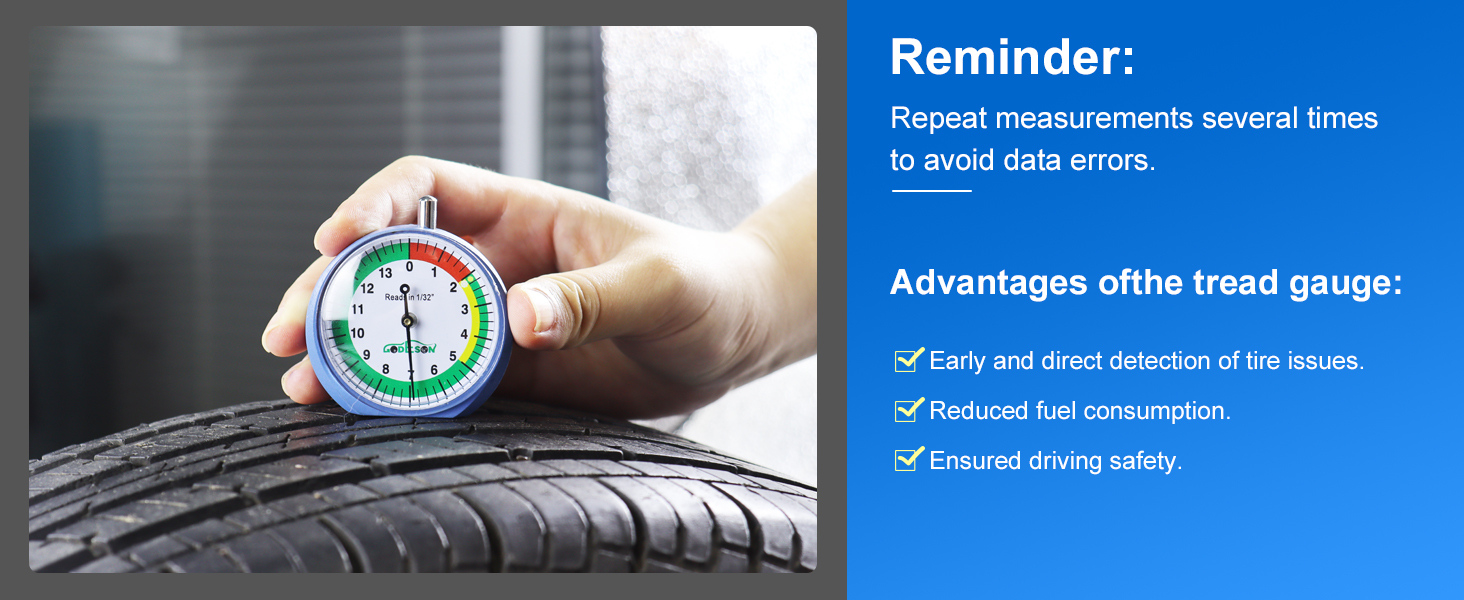
1. Use a Tire Tread Depth Gauge
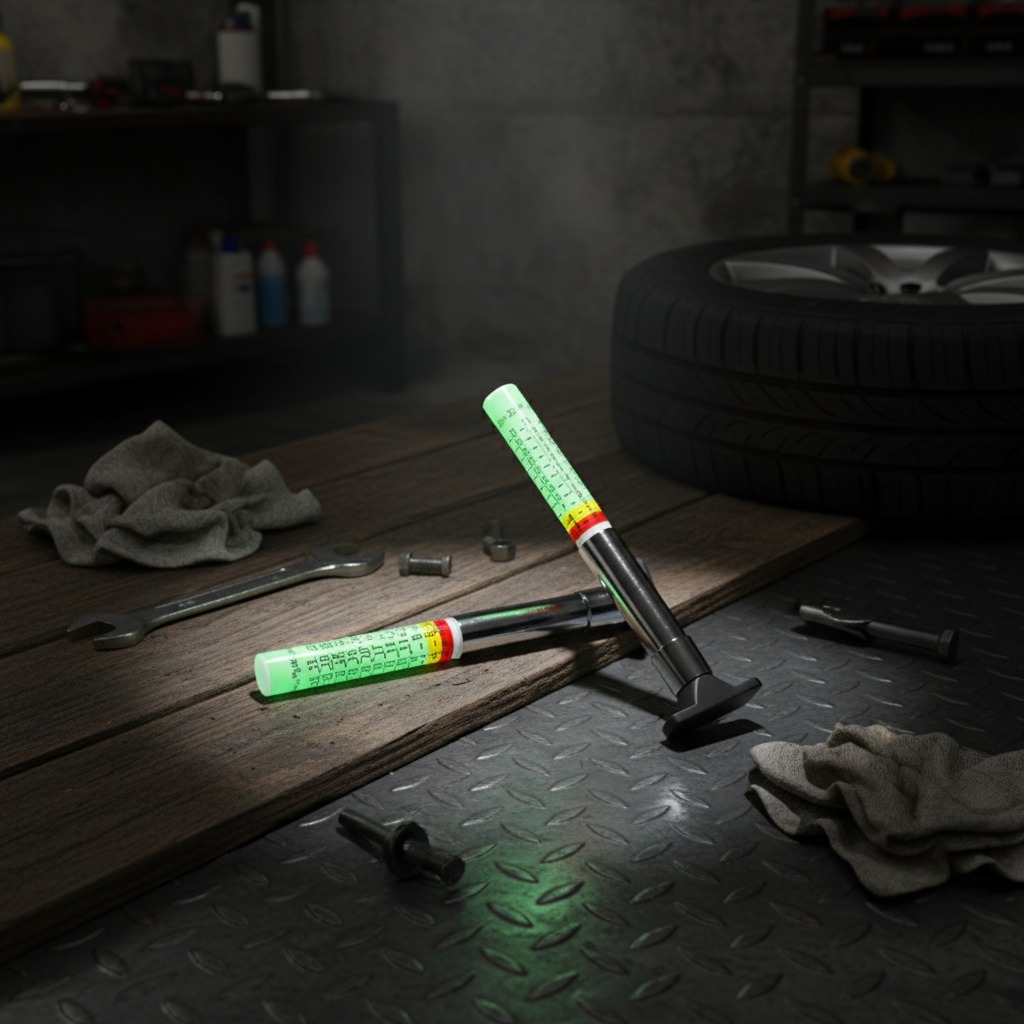
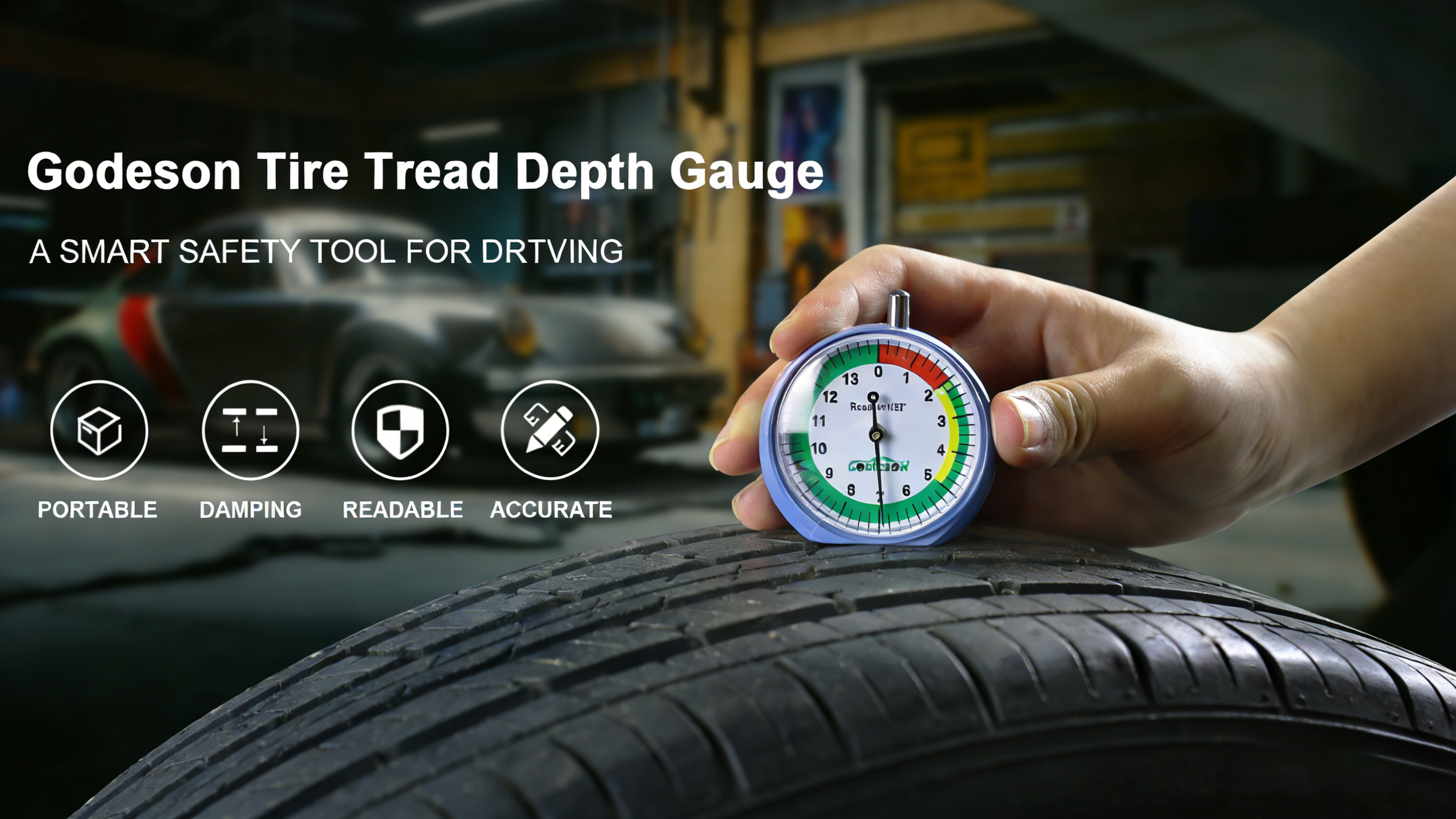
A tire tread depth gauge is a small, affordable tool made specifically for this task—simple to use and highly accurate. Follow these steps for a precise reading:
-
Position the gauge’s probe into one of the tire’s main tread grooves, making sure it’s straight (perpendicular) to the tire’s surface and fully seated in the groove (not on a tread block).
-
Press the gauge firmly against the tire to ensure the probe reaches the bottom of the groove.
-
Read the measurement—most gauges have a digital display or analog dial that shows depth in inches or millimeters.
 2. The Penny Test (A Quick Estimate)
If you don’t have a gauge handy, a U.S. penny works as a simple backup. Here’s how to do it:
-
Hold a penny so that Abraham Lincoln’s head is facing downward. Place it into a tread groove, perpendicular to the tire.
-
Check if the top of Lincoln’s head is covered by the tread. If it is, your tread depth is at or above the minimum safe level (2/32 of an inch). If the top of his head is visible, your tread is too shallow, and it’s time to replace the tire.
Keep in mind: the penny test is a rough estimate, not a replacement for a gauge. For accuracy, always use a dedicated tread depth tool when possible.
3. Check Wear Bars
Most modern tires come with built-in wear bars—thin, raised rubber strips located in the tread grooves. These bars act as a built-in indicator: when the tire’s tread is level with the wear bars, it means your tread depth has reached the minimum safe limit (2/32 of an inch).
When Should You Replace Your Tires?
Knowing when to replace your tires goes beyond just tread depth. Here are the key signs it’s time for new rubber:
-
Tread depth is at or below 2/32 of an inch (or level with the wear bars).
-
You notice uneven wear—for example, tread that’s thinner on one side, in the center, or on the edges. This could signal alignment or pressure issues, but if wear is severe, replacement is necessary.
-
There are visible signs of damage: cracks in the sidewall, bulges (which indicate internal damage), or cuts/gashes that expose the tire’s internal layers.
-
The tire is older than 6-10 years (even with good tread)—rubber degrades over time, leading to increased risk of failure.
If you spot any of these signs, have your tires inspected by a professional to confirm if replacement is needed.
Final Thoughts
Tire tread depth is more than just a number—it’s a critical safety feature that keeps you in control on the road. Worn tread reduces traction, increases braking distances, and raises the risk of accidents, all while shortening the life of your tires. By checking your tread depth regularly (we recommend once a month, and before long trips) with an accurate gauge, you can catch wear early, extend your tires’ lifespan, and keep yourself and your passengers safe.
Don’t wait until your tires are dangerously worn to take action. A few minutes of checking can save you money in the long run and prevent unnecessary risks. Your tires are the only part of your vehicle that touches the road—treat them with the care they deserve.