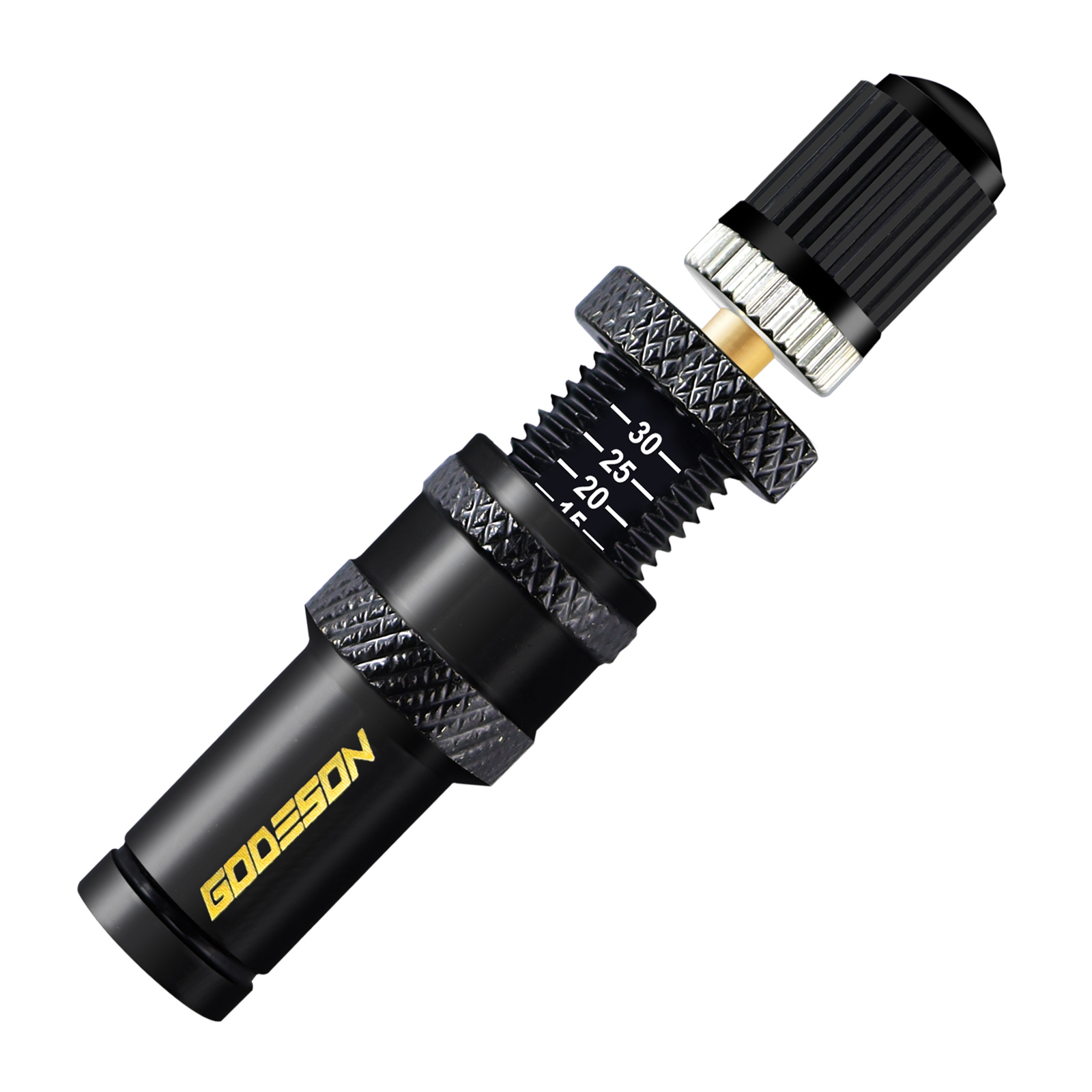

Tire valve cap is an essential component for maintaining the integrity of your vehicle's tires, ensuring they remain airtight and protected from debris. This small but crucial part plays a significant role in preventing air leaks and extending the lifespan of your tires. In this guide, we'll explore everything you need to know about tire valve caps, including their types, installation, maintenance, and selection tips to help you make informed decisions for your vehicle.
Understanding Different Types of Tire Valve Caps
Valve stem cap, often referred to as the protective cover on your tire's valve, comes in various materials and designs to suit different needs. One popular option is rubber tire valve caps, which are flexible, affordable, and provide a good seal against dust and moisture. These caps are easy to install and replace, making them ideal for everyday vehicles. On the other hand, metal tire valve caps offer enhanced durability and resistance to extreme temperatures, which is perfect for off-road adventures or harsh weather conditions. They are typically made from aluminum or stainless steel, providing a more robust barrier against environmental elements. Custom tire valve caps allow for personalization, such as engraved logos or colors, adding a stylish touch while maintaining functionality. When choosing a valve stem cap, consider factors like your driving environment and the level of protection required to avoid potential issues like slow leaks.
How to Install a Tire Valve Cap
Installing a tire valve cap is a straightforward process that can be done at home with minimal tools, helping you save time and money. First, ensure your tire is properly inflated and the valve stem is clean and free from any debris. Begin by removing the old cap by unscrewing it counterclockwise. Inspect the valve stem for any damage or wear, and if necessary, replace it before proceeding. Next, take your new tire valve cap and screw it onto the valve stem clockwise until it's snug but not overly tight to avoid damaging the threads. Rubber tire valve caps might require a gentle hand to prevent over-tightening, while metal tire valve caps can be secured more firmly for added security. Once installed, check the cap by pressing on the valve to ensure there's no air leakage. This step-by-step approach not only ensures a proper fit but also helps maintain optimal tire pressure, which is vital for safe driving.
Maintenance and Care for Tire Valve Caps
Proper maintenance of your tire valve cap can prevent unexpected issues and extend the life of your tires. Regularly inspect your caps for signs of wear, such as cracks or corrosion, especially if you frequently drive on rough roads. For rubber tire valve caps, clean them periodically with a mild soap and water solution to remove accumulated dirt that could compromise the seal. Metal tire valve caps, being more resistant, might only need a wipe-down, but check for rust if they're exposed to salty environments. It's also wise to replace your valve stem cap every few months or during routine tire rotations to maintain airtight conditions. Custom tire valve caps require the same care but offer the added benefit of easy identification if you have multiple vehicles. By incorporating these maintenance practices into your routine, you can avoid common problems like under-inflation, which affects fuel efficiency and tire wear.
Choosing the Right Tire Valve Cap for Your Needs
When selecting a tire valve cap, it's important to match it to your specific requirements for the best performance. Start by considering the material: rubber tire valve caps are great for general use due to their cost-effectiveness and flexibility, but if you need something more durable for high-performance driving, opt for metal tire valve caps. Custom tire valve caps are an excellent choice if you want to add a personal flair or branding to your vehicle. Additionally, think about compatibility with your tire's valve stem size and type, as not all caps fit universally. For instance, if you own sports cars or trucks, prioritize caps that can withstand higher pressures and vibrations. Valve stem cap options are widely available online and in auto stores, so compare features like thread size and sealing mechanism to make an informed choice. Ultimately, investing in the right tire valve cap not only enhances safety but also contributes to better vehicle maintenance overall.
Benefits and Tips for Using Tire Valve Caps Effectively
Beyond basic protection, tire valve caps offer several benefits that contribute to your vehicle's longevity and performance. They act as a barrier against dirt, water, and contaminants that could enter the valve stem and cause leaks, thereby maintaining consistent tire pressure. For those using custom tire valve caps, the aesthetic appeal can even boost your car's visual appeal while serving a practical purpose. To get the most out of your valve stem cap, always carry spares in your emergency kit for quick replacements during road trips. If you live in an area with extreme weather, choose caps that are weather-resistant to prevent cracking or failure. Remember, proper use of these caps can improve fuel economy by ensuring tires are at the correct pressure, reducing unnecessary rolling resistance. By following these tips, you'll ensure that your tire valve cap continues to perform effectively over time.
In conclusion, understanding and properly managing your tire valve cap is key to safe and efficient driving. Whether you're dealing with rubber tire valve caps or exploring options like metal and custom varieties, staying proactive with installation and maintenance will pay off in the long run. Always prioritize quality and compatibility to keep your vehicle in top shape.