
Torque Wrench for Bike Repairs: Essential Tips for Cyclists (Updated & Completed)
Whether you’re fixing a flat tire or rebuilding a drivetrain, a torque wrench is a game-changer for bike repairs. Bikes have delicate components (carbon fiber frames, lightweight aluminum parts) that are easy to damage with too much torque—and loose bolts (like those on handlebars or seatposts) can cause crashes. Here’s how to use a torque wrench for common bike tasks, plus pro tricks to avoid mistakes:
First: Know Bike-Specific Torque Ranges
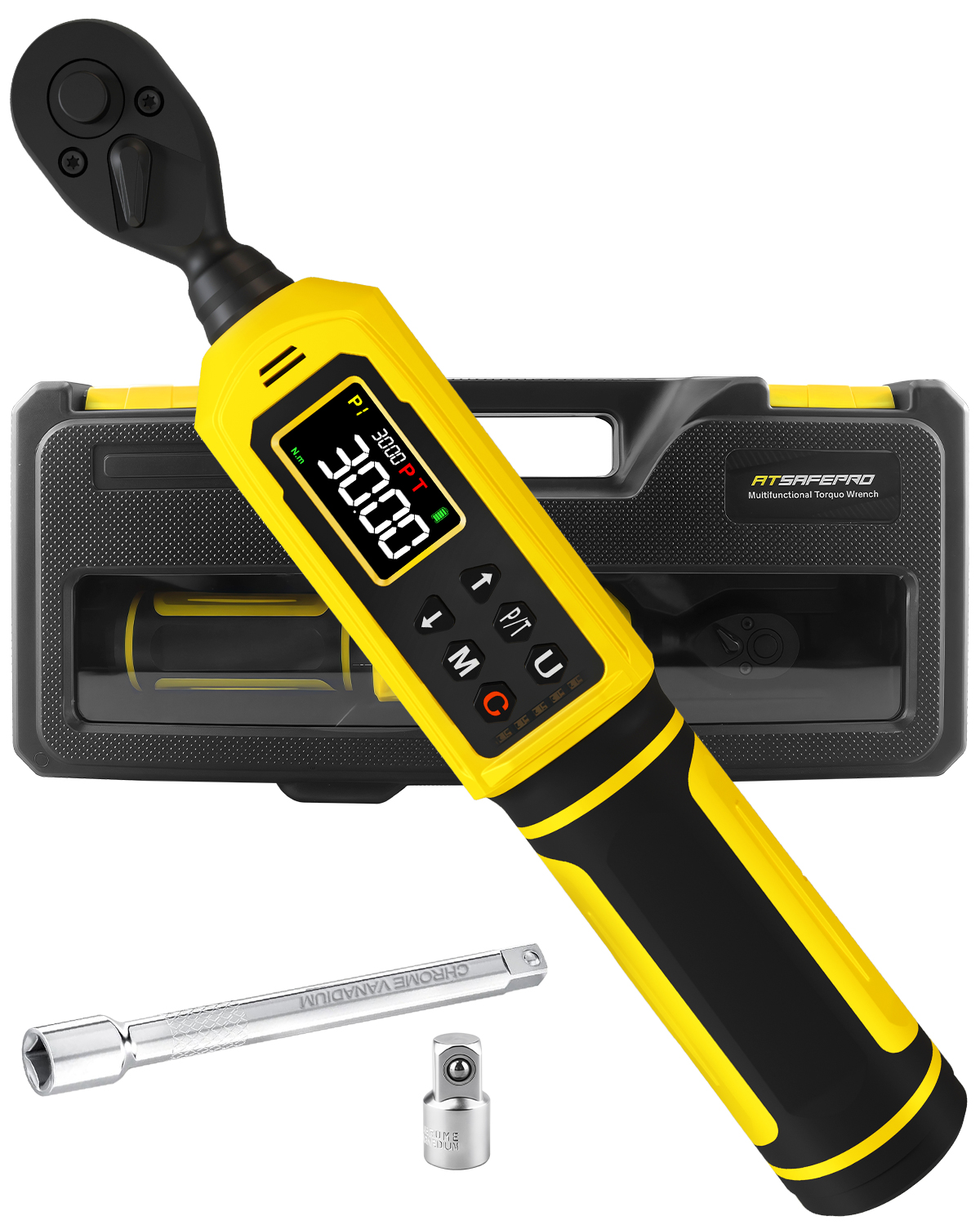
Bike parts use smaller torque values than cars, so you’ll need a 1/4” drive torque wrench (range: 2–24 in-lbs or 0.2–2.7 N·m) for most jobs. Common specs (always check your bike’s manual—carbon parts often have lower limits to prevent cracking!):
· Handlebar Stem Bolts: 5–8 N·m (44–71 in-lbs) – Carbon handlebars often max out at 6 N·m; exceed this, and you’ll risk invisible fractures.
· Seatpost Clamp: 3–5 N·m (26–44 in-lbs) – For carbon seatposts, stick to 3–4 N·m—too much force crushes the post, ruining its fit in the frame.
· Crankset Bolts: 30–50 N·m (265–443 in-lbs) – Use a 3/8” drive wrench here (higher torque capacity). Loose cranks cause creaking and wear out the bottom bracket, so don’t skip this step.
· Disc Brake Caliper Bolts: 8–10 N·m (71–88 in-lbs) – Over-tightening bends the caliper, leading to uneven brake pad wear and squealing.
· Derailleur Hanger Bolts: 4–6 N·m (35–53 in-lbs) – These small bolts break easily if over-torqued, and a broken hanger ruins shifting.
Tips for Bike-Specific Use (Pro Level)
1. Use the Right Socket/Adapter: Bike bolts often have hex (Allen) heads, so invest in a set of high-quality hex bit sockets (chrome-vanadium steel works best—avoid cheap plastic-coated bits that strip). For tiny bolts (e.g., derailleur adjustment screws), use a 1/4” to 1/8” adapter to fit micro hex bits (2mm–4mm).
1. Lubricate Threads (Sparingly): For metal-on-metal bolts (e.g., aluminum stem to steel steerer tube), add a drop of bike-specific thread locker (blue, not red—red is permanent) before torquing. This prevents loosening from vibration but doesn’t affect torque accuracy. Skip lubricant on carbon parts—oil can seep into the material and weaken it.
1. Avoid Over-Tightening Carbon Parts: Carbon fiber is strong but brittle. If your wrench clicks at the spec, stop immediately—even a 1 N·m overshoot can cause damage. If you’re unsure, err on the lower end of the spec range (e.g., 5 N·m instead of 6 N·m for carbon handlebars) and test for looseness after a short ride.
1. Check for Creaks After Repairs: A creaky bike often means a loose bolt. After torquing, gently wiggle the part (e.g., handlebars, seatpost) to check for play. If you hear a creak, clean the bolt threads (debris can throw off torque) and retorque to the correct spec.