
Torque Wrench for Furniture Assembly: Avoid These Costly Mistakes
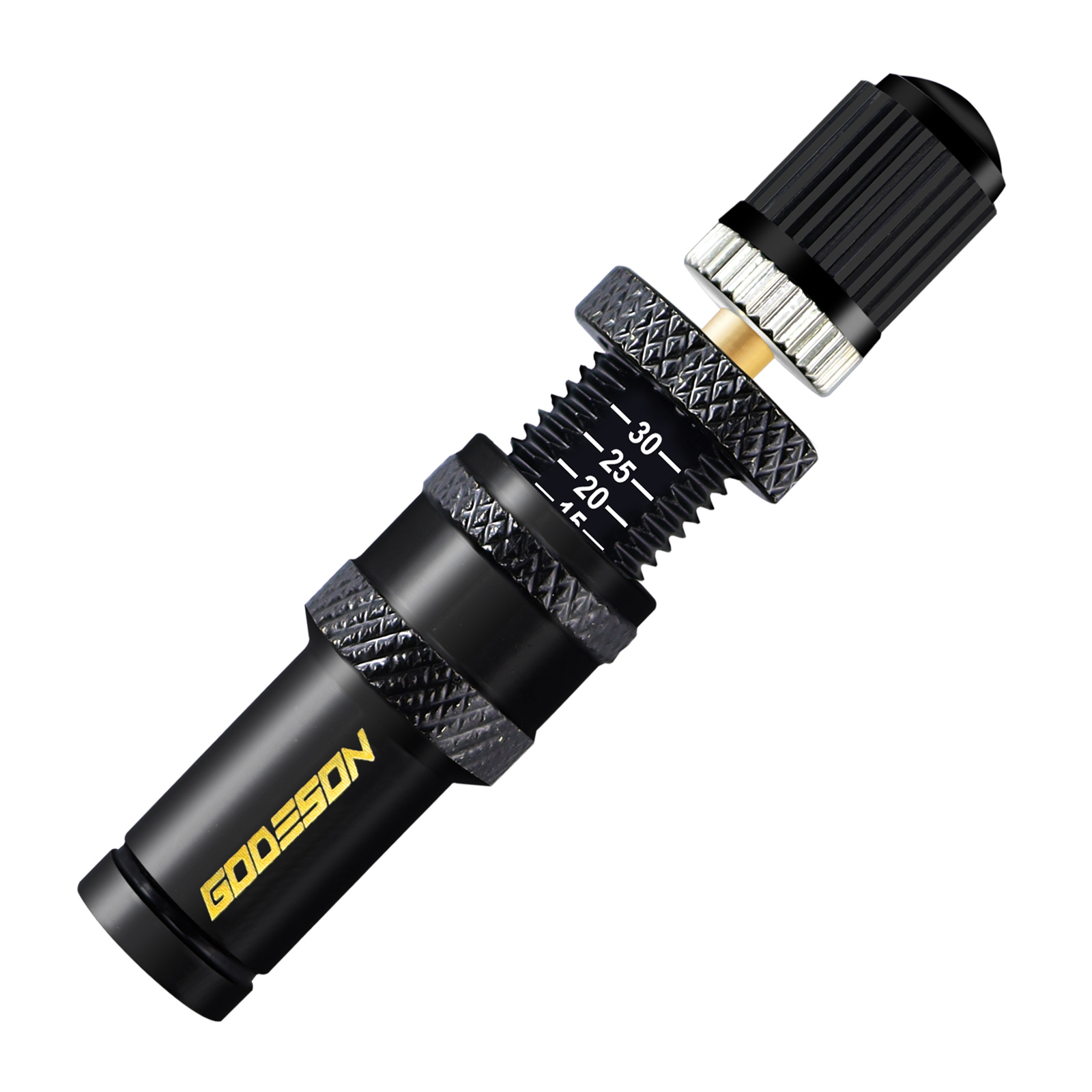
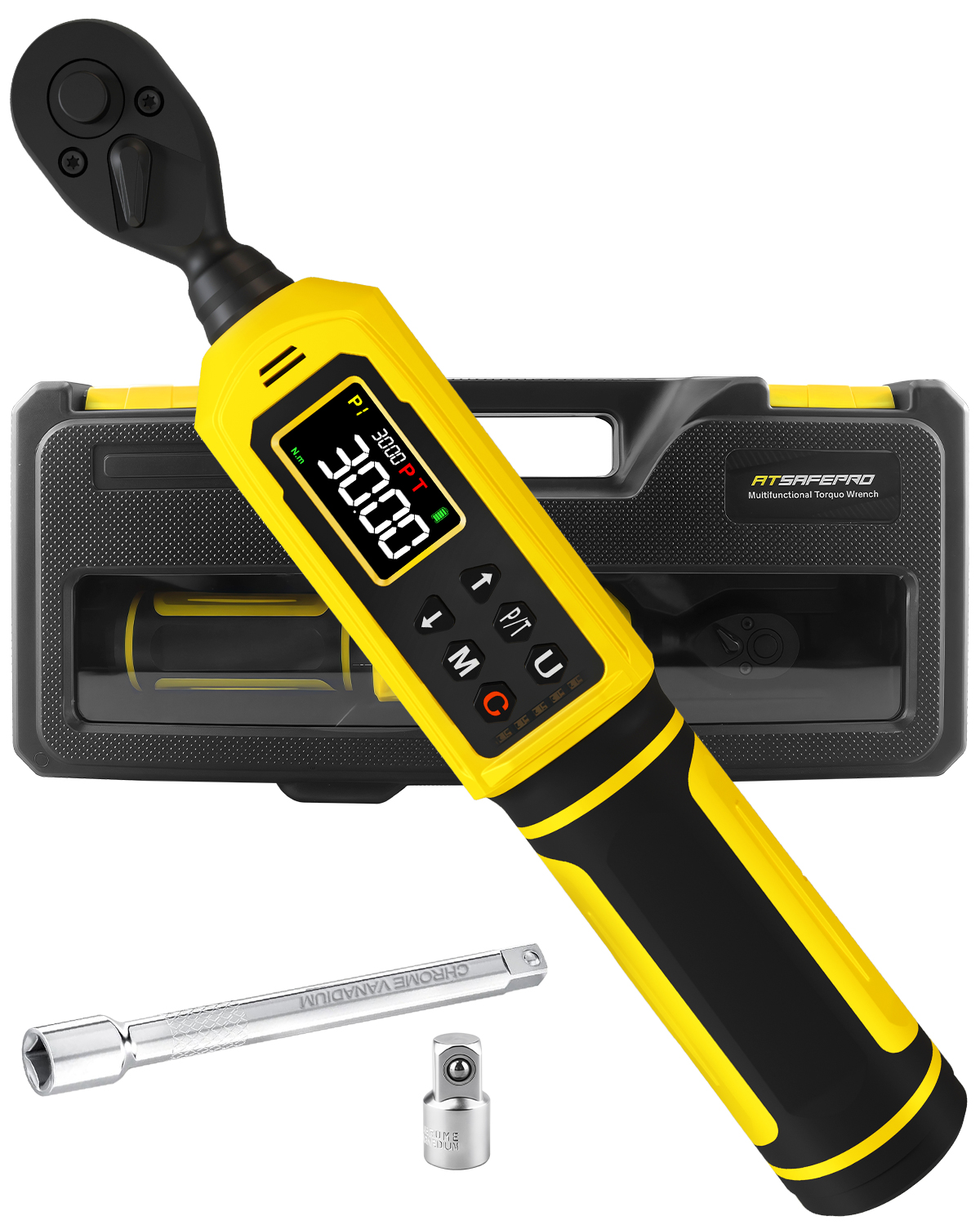
Assembling flat-pack furniture (think IKEA, Wayfair) might seem like a “no-tool” job—but using a torque wrench prevents stripped screws, cracked wood, and wobbly pieces that fall apart. Most furniture fasteners (wood screws, cam bolts) need low torque, so a small 1/4” drive torque wrench (range: 5–30 in-lbs or 0.6–3.4 N·m) is perfect. Here’s how to use it, plus mistakes to skip:
Common Furniture Torque Specs (General Guidelines)
· Wood Screws (Particleboard/MDF): 8–15 in-lbs (0.9–1.7 N·m) – These soft materials strip easily; too much torque sinks the screw head into the wood, ruining the surface.
· Cam Bolts (IKEA-Style): 10–20 in-lbs (1.1–2.3 N·m) – Cam bolts hold pieces together (e.g., table legs to tops); under-tightening leads to wobble, over-tightening breaks the cam.
· Metal Brackets (Chair Frames): 15–25 in-lbs (1.7–2.8 N·m) – Metal-on-metal fasteners need a bit more torque, but don’t overdo it—aluminum brackets bend if you push too hard.
Mistakes to Avoid
1. Using a Power Drill (Even on Low Speed): Power drills are too fast and hard to control—you’ll over-torque screws before you realize it. A torque wrench lets you apply force slowly, stopping exactly at the right spec.
1. Ignoring Screw Material: Softwood screws (for pine furniture) need less torque than hardwood screws (for oak). If the furniture manual doesn’t specify, start at the lower end of the range (e.g., 8 in-lbs for softwood) and test—if the screw feels loose, bump it up by 2–3 in-lbs.
1. Skipping Pre-Drilled Holes: Always use the included drill bit to pre-drill holes (especially for particleboard). Without a pre-drilled hole, the screw has to force its way through the wood, requiring more torque—and increasing the risk of stripping or cracking.
1. Torquing in the Wrong Order: For large pieces (e.g., a bookshelf with multiple shelves), torque screws in a “cross pattern” (like you would for a car wheel). Tighten one screw halfway, then move to the opposite screw, and so on. This distributes pressure evenly, preventing the piece from warping.
Pro Tip: Test Before Final Torque
For expensive furniture (e.g., a wooden dining table), do a “test fit” first. Hand-tighten all screws, then gently shake the piece to check for wobble. If it’s stable, go back with the torque wrench and set each screw to the spec. If it’s wobbly, adjust the alignment before torquing—torquing a misaligned piece will only make the problem worse.