
Torque Wrench for Lawnmower Repairs: Keep Your Mower Running Smoothly
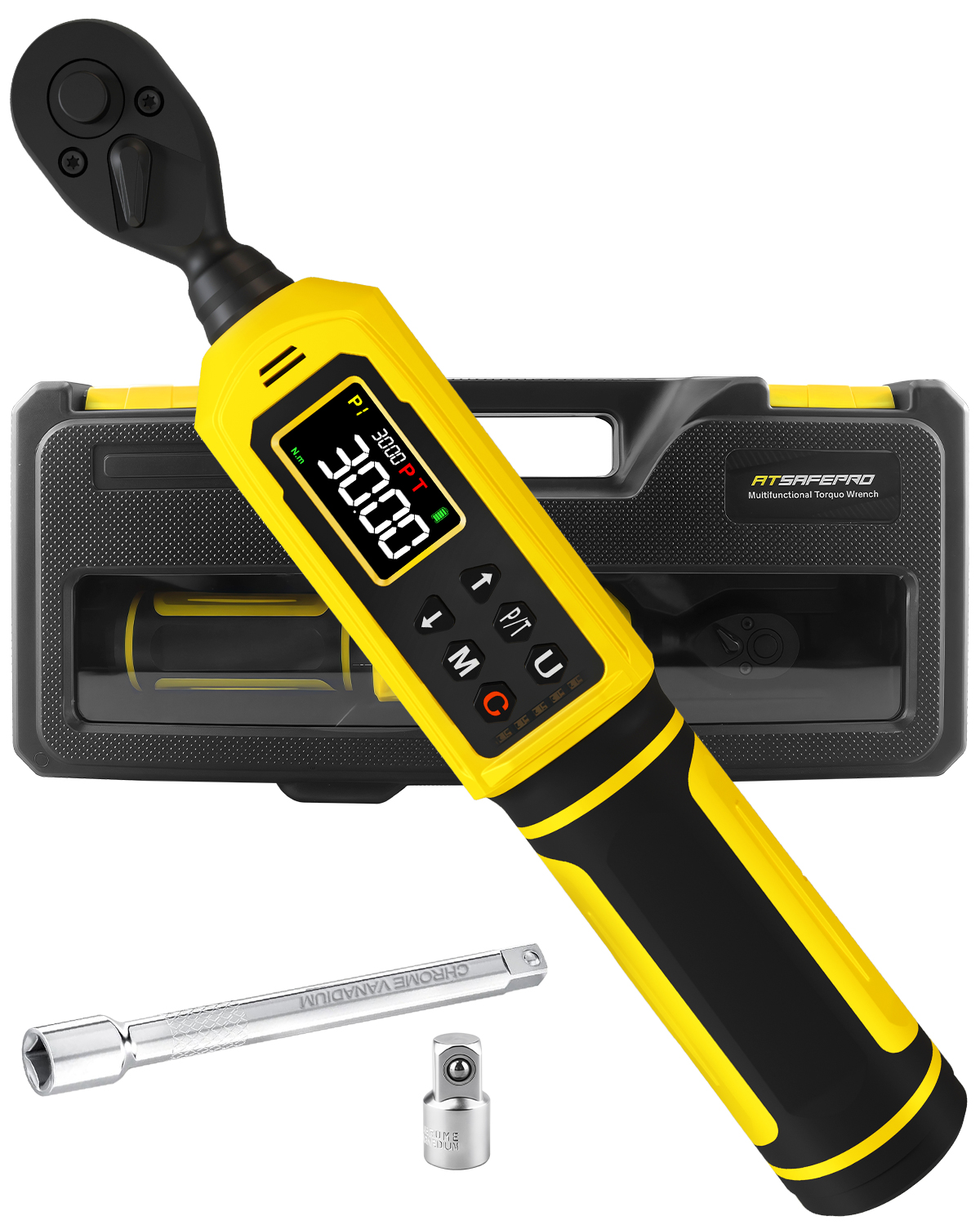
Lawnmowers (gas or electric) have critical parts that rely on precise torque—loose bolts can cause vibrations (damaging the engine), while over-tightened bolts break housings or strip threads. A 3/8” drive torque wrench (range: 10–80 ft-lbs or 13.6–108.5 N·m) works for most lawnmower jobs, as it covers the torque needs of blades, engine components, and handles. Here’s how to use it effectively:
Common Lawnmower Torque Specs (Check Your Mower’s Manual!)
· Lawnmower Blade Bolts: 30–50 ft-lbs (40.7–67.8 N·m) – This is the most important spec—loose blades wobble, tear grass instead of cutting it, and can fly off (a safety hazard). Over-tightening breaks the blade adapter.
· Engine Oil Drain Plug: 15–25 ft-lbs (20.3–33.9 N·m) – Too loose, and oil leaks; too tight, and you’ll strip the oil pan’s threads (costly to repair).
· Handle Mount Bolts: 10–18 ft-lbs (13.6–24.4 N·m) – Loose handles make the mower hard to push; over-tightening cracks the plastic handle housing.
· Spark Plug: 10–15 ft-lbs (13.6–20.3 N·m) – Over-tightening strips the cylinder head’s threads, while too loose causes misfires (the engine won’t start).
Step-by-Step: Torquing a Lawnmower Blade
The blade is the most used part of the mower—here’s how to torque it correctly (safety first!):
1. Disconnect the Power: For gas mowers, remove the spark plug wire (prevents accidental starting). For electric mowers, unplug the cord or remove the battery.
1. Secure the Blade: Use a blade lock tool (available at hardware stores for \(5–\)10) to hold the blade in place—this prevents it from spinning while you work. Alternatively, wedge a block of wood between the blade and the mower deck.
1. Remove the Old Blade Bolt: Use a socket wrench to loosen the bolt (turn counterclockwise—most are standard thread, but some are reverse-threaded—check the manual!). Clean the bolt and blade adapter with a rag to remove grass clippings or rust.
1. Install the New Blade (or Reinstall the Old One): Align the blade’s mounting hole with the adapter’s hole. Hand-tighten the bolt until it’s snug—don’t use tools yet.
1. Torque the Bolt: Attach the torque wrench to the socket. Set the wrench to your mower’s blade spec (e.g., 40 ft-lbs). Apply force slowly clockwise—stop immediately when you hear the “click.” Repeat once to confirm the torque is consistent.
Mistakes to Avoid
· Using Pliers or a Pipe Wrench: These tools slip easily, leading to over-tightening or injury (the blade is sharp!). Always use a socket and torque wrench.
· Ignoring Rusty Bolts: If the blade bolt is rusted, spray it with penetrating oil (e.g., WD-40) and let it sit for 10 minutes before loosening. Forcing a rusty bolt can break it, requiring you to drill out the remains (a time-consuming fix).
· Skipping the Blade Balance: After torquing, balance the blade on a nail or blade balancer—an unbalanced blade causes vibrations that damage the mower’s engine. If one end dips, file a small amount of metal from the heavy end (wear safety glasses!).