
Torque Wrench for RV & Camper Repairs: Safety First for Road Trips
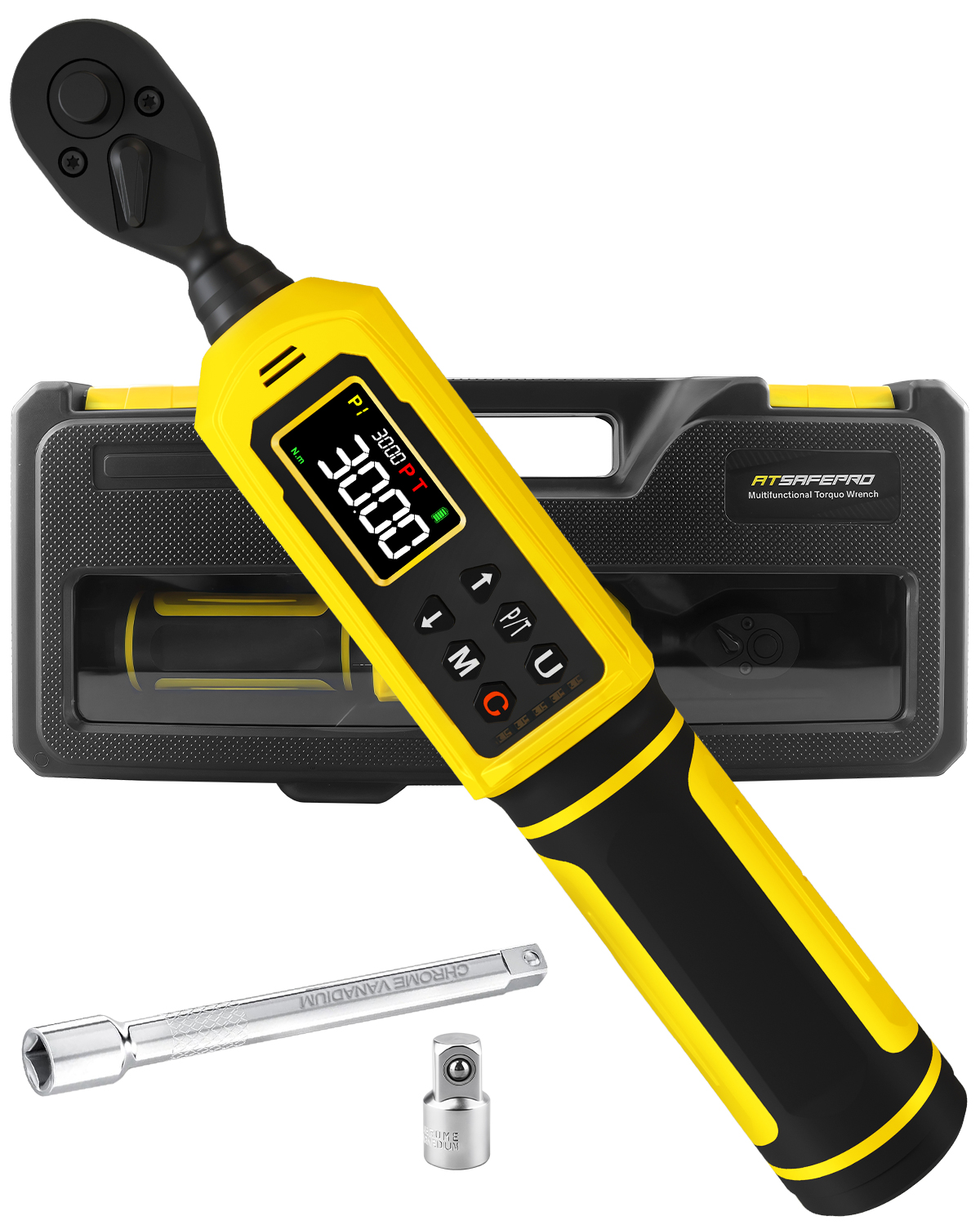
RVs and campers rely on secure fasteners to handle rough roads—loose bolts on hitches, wheel lugs, or cabinetry can lead to accidents or broken gear. A 1/2” drive torque wrench (range: 20–150 ft-lbs or 27.1–203.4 N·m) is ideal for heavy-duty RV tasks, while a 3/8” drive wrench (10–80 ft-lbs) works for smaller parts like cabinet hinges. Here’s how to use them to keep your RV road-ready:
Critical RV Torque Specs (Check Your Owner’s Manual!)
· Hitch Receiver Bolts: 80–120 ft-lbs (108.5–162.7 N·m) – A loose hitch can disconnect from your tow vehicle—this is non-negotiable for safety.
· RV Wheel Lugs: 90–120 ft-lbs (122.1–162.7 N·m) – RV tires are heavier than car tires, so proper torque prevents lug failure (a leading cause of roadside breakdowns).
· Cabinet Door Hinges: 8–12 ft-lbs (10.8–16.3 N·m) – Vibrations from driving loosen hinges; over-tightening strips the wood or plastic cabinet frame.
· Propane Tank Mounts: 30–40 ft-lbs (40.7–54.2 N·m) – A loose propane tank is a fire hazard—always retorque after refueling.
Pro Tips for RV Repairs
1. Torque After Every 500 Miles: RVs vibrate more than cars, so check critical fasteners (hitch, wheels) every 500 miles. Use a torque wrench to confirm specs—don’t just “tighten by feel.”
2. Use a Torque Stick for Wheels: If you’re changing an RV tire on the road, pair your wrench with a torque stick (a tool that limits torque to a set value). It adds an extra layer of safety, preventing over-tightening in stressful roadside situations.
3. Protect Against Rust: RVs are exposed to rain and road salt—after torquing, spray bolts with a rust inhibitor (e.g., CRC Heavy Duty Corrosion Inhibitor). This makes future repairs easier and extends bolt life.