
Understanding the Essentials of a Pressure Gauge
A pressure gauge is a vital instrument used across numerous industries to measure the force exerted by a fluid or gas within a system. Whether in manufacturing, automotive, or HVAC applications, the pressure gauge provides accurate readings that ensure safety and efficiency. As technology advances, these devices have become more reliable and versatile, helping operators monitor conditions in real-time. This article explores the fundamentals of pressure gauges, focusing on types like the Bourdon tube pressure gauge and materials such as stainless steel, which enhance durability in demanding environments.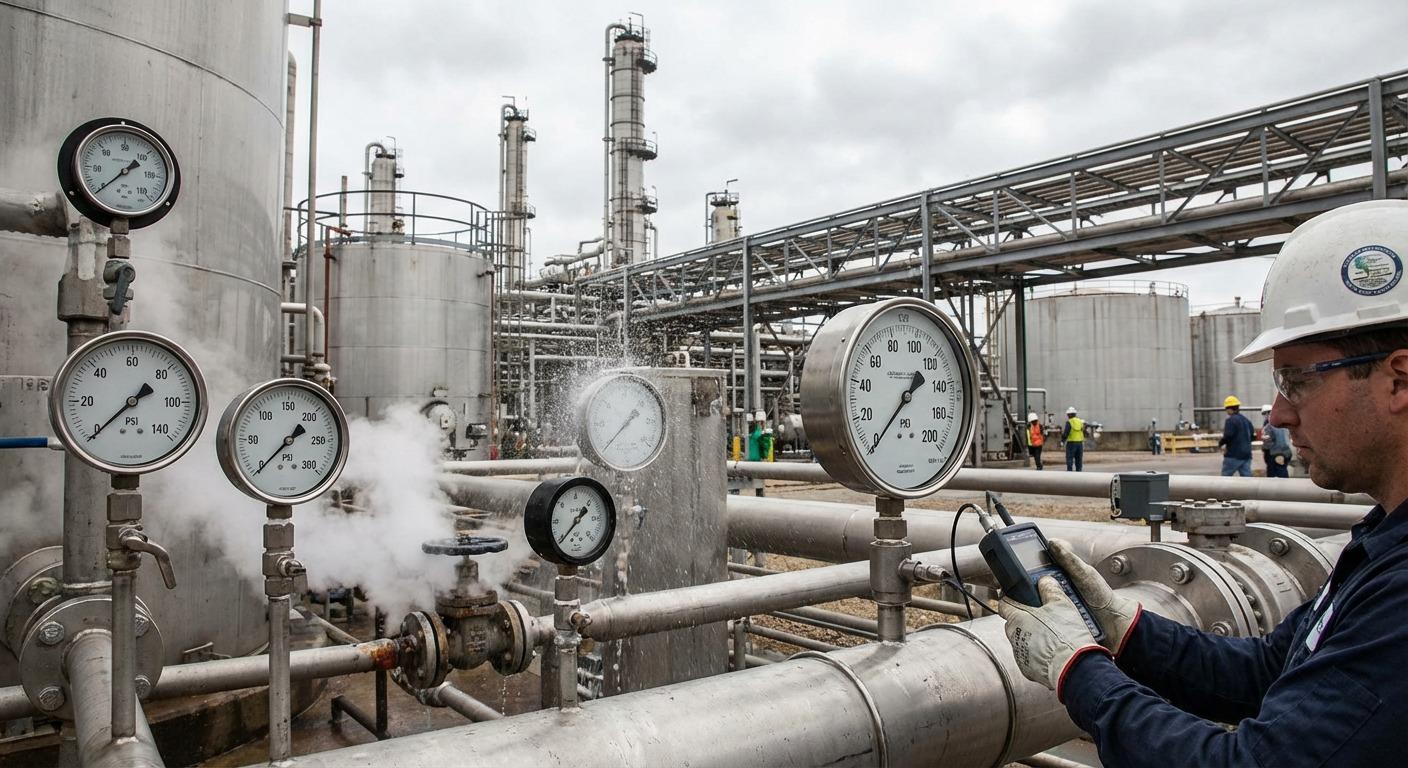
Delving into the Bourdon Tube Pressure Gauge
The Bourdon tube pressure gauge stands out as one of the most common and trusted designs in pressure measurement. Invented in the 19th century by Eugène Bourdon, this mechanism uses a curved, C-shaped tube that straightens under pressure, translating the movement into a readable dial via a linkage system. This simple yet effective principle allows the Bourdon tube pressure gauge to handle a wide range of pressures, from low vacuum to high industrial levels up to 100,000 psi. Its mechanical nature means no external power is required, making it ideal for remote or harsh locations where electrical failures could compromise readings.
What makes the Bourdon tube pressure gauge particularly appealing is its robustness. In petrochemical plants or water treatment facilities, where exposure to corrosive substances is common, this gauge maintains accuracy over time with minimal maintenance. Regular calibration ensures precision, and many models feature liquid-filled cases to dampen vibrations, extending the lifespan. Industries rely on it for its quick response and ease of installation, often integrating seamlessly with pipelines or tanks without complex setups.
The Advantages of Stainless Steel Pressure Gauges
Stainless steel pressure gauges represent a premium choice for environments demanding corrosion resistance and longevity. Constructed from high-grade stainless steel, these gauges withstand exposure to chemicals, moisture, and extreme temperatures far better than traditional brass or aluminum alternatives. The material's inherent properties, such as non-reactivity and strength, make stainless steel pressure gauges indispensable in food processing, pharmaceuticals, and marine applications where hygiene and durability are paramount.
One key benefit of a stainless steel pressure gauge is its ability to maintain calibration in aggressive conditions. For instance, in brewing or dairy operations, where steam and sanitizing agents are routine, the stainless steel construction prevents degradation that could lead to inaccurate measurements or safety hazards. These gauges often pair well with the Bourdon tube mechanism, combining the reliable internal workings with an outer shell that resists pitting and rust. Additionally, their polished finish allows for easy cleaning, aligning with strict regulatory standards like those from the FDA.
When selecting a stainless steel pressure gauge, consider factors like the alloy type—such as 304 or 316 stainless steel—for specific needs. The 316 variant offers superior resistance to chlorides, making it suitable for coastal or saltwater-exposed installations. Overall, investing in a stainless steel pressure gauge not only enhances safety but also reduces replacement costs over time, providing a smart return on investment for industrial operations.
Applications and Selection Tips for Pressure Gauges
Pressure gauges find applications in diverse sectors, from automotive engines monitoring oil pressure to aerospace systems tracking hydraulic lines. The Bourdon tube pressure gauge excels in general industrial uses, offering cost-effective solutions without sacrificing performance. Meanwhile, stainless steel pressure gauges shine in specialized fields like oil and gas, where they endure high-pressure drilling environments and prevent leaks that could have catastrophic consequences.
Choosing the right pressure gauge involves assessing the operating conditions, pressure range, and accuracy requirements. For volatile substances, opt for a Bourdon tube pressure gauge with safety features like blow-out backs to protect users. Stainless steel models should be evaluated for thread compatibility and dial size to ensure readability in tight spaces. Always consult manufacturer specifications to match the gauge's maximum pressure rating with your system's demands, avoiding over-pressurization risks.
Maintenance plays a crucial role in prolonging the life of any pressure gauge. For Bourdon tube variants, periodic checks for tube fatigue are essential, while stainless steel pressure gauges benefit from anti-seize compounds on connections to prevent galling. By integrating these devices thoughtfully, businesses can optimize processes, reduce downtime, and enhance overall operational reliability.
Future Trends in Pressure Gauge Technology
As industries evolve, pressure gauges are incorporating smart features like digital displays and IoT connectivity. While traditional Bourdon tube pressure gauges remain staples, hybrid stainless steel pressure gauges with sensors now transmit data wirelessly, enabling predictive maintenance. This integration promises to revolutionize monitoring in smart factories, where real-time analytics from a stainless steel pressure gauge can prevent failures before they occur.
In summary, a reliable pressure gauge is the backbone of efficient and safe industrial operations. Whether selecting a classic Bourdon tube pressure gauge for its proven mechanics or a robust stainless steel pressure gauge for harsh conditions, understanding their capabilities ensures optimal performance. With ongoing innovations, these instruments continue to adapt, supporting the demands of modern engineering and beyond.