
Understanding the Basics of a Pressure Gauge
A pressure gauge is an essential instrument used to measure the pressure of gases or liquids within a system. Whether in industrial settings or everyday applications, the pressure gauge provides critical data that ensures safety and efficiency. For instance, in automotive, HVAC, and manufacturing environments, monitoring pressure levels helps prevent equipment failures and maintains optimal performance. This device typically consists of a dial with a needle or digital display that indicates pressure readings in units like psi, bar, or pascal. 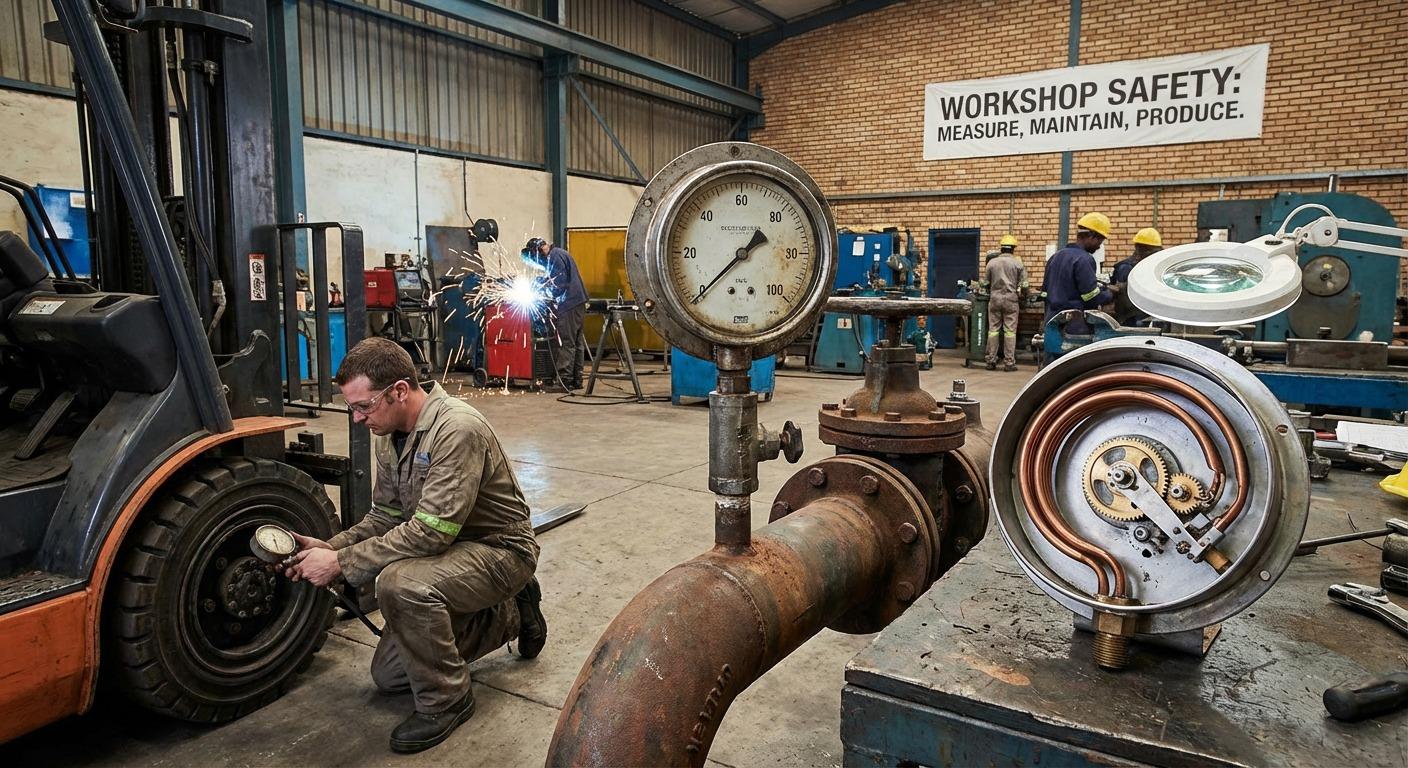
The importance of selecting the right pressure gauge cannot be overstated, as it directly impacts operational reliability. Analog pressure gauges, one type of this device, rely on mechanical components to display readings, offering a straightforward and cost-effective solution for many users. Industrial pressure gauges, designed for rugged environments, withstand harsh conditions while providing accurate measurements. Similarly, the bourdon tube gauge, a common mechanism within many pressure gauges, uses a curved tube that straightens under pressure to move the indicator needle.
Exploring Analog Pressure Gauges in Detail
Analog pressure gauges have been a staple in measurement technology for decades due to their simplicity and durability. Unlike digital counterparts, an analog pressure gauge uses a mechanical system where pressure causes physical movement, translating it into a visible reading on a circular dial. This design makes it ideal for environments where power sources might be unreliable or where visual confirmation is preferred over electronic outputs.
One key advantage of the analog pressure gauge is its ability to provide immediate, real-time feedback without the need for batteries or calibration software. In workshops or field operations, this reliability shines through. For example, mechanics often use an analog pressure gauge to check tire pressure or hydraulic systems, ensuring vehicles operate safely. The face of these gauges usually features clear markings and color-coded zones to indicate safe, cautionary, or dangerous pressure levels, enhancing usability.
However, analog pressure gauges do require periodic maintenance to ensure accuracy. Dust, vibration, or extreme temperatures can affect the internal components, so regular cleaning and calibration are recommended. Despite these needs, their widespread adoption in non-critical applications underscores their value as a dependable tool in everyday pressure monitoring.
The Role of Industrial Pressure Gauges in Heavy-Duty Applications
Industrial pressure gauges are engineered for demanding environments where standard devices might fail. These robust instruments are built with materials like stainless steel or alloys that resist corrosion, high temperatures, and mechanical stress. In sectors such as oil and gas, chemical processing, and power generation, an industrial pressure gauge ensures that pipelines, boilers, and compressors operate within safe parameters, preventing costly downtime or accidents.
What sets the industrial pressure gauge apart is its enhanced accuracy and range. They can measure pressures from vacuum levels to thousands of psi, accommodating the diverse needs of heavy machinery. Safety features, such as blow-out backs or liquid-filled cases to dampen vibrations, make them indispensable in volatile settings. For instance, in a manufacturing plant, monitoring steam pressure with an industrial pressure gauge can optimize energy use and extend equipment lifespan.
Integration with other systems further amplifies their utility. Many industrial pressure gauges come with accessories like remote seals or snubbers to isolate them from process fluids, prolonging service life. As industries push toward automation, these gauges often serve as the foundation for more advanced monitoring setups, providing baseline data that feeds into digital control systems.
Diving into the Mechanics of Bourdon Tube Gauges
The bourdon tube gauge represents a cornerstone of pressure measurement technology, named after its inventor, Eugène Bourdon. At its core, this type of pressure gauge features a C-shaped or helical tube that deforms elastically when pressurized. As the tube straightens, it actuates a linkage connected to the pointer, delivering a precise reading on the dial. This mechanical elegance has made the bourdon tube gauge a preferred choice for both analog and some hybrid pressure gauges.
Accuracy in a bourdon tube gauge stems from the tube's material properties—typically phosphor bronze or stainless steel—which allow consistent expansion and contraction. Calibration ensures that the gauge reads correctly across its full scale, often certified to standards like ASME B40.1 for reliability. In applications like water treatment plants, where consistent pressure monitoring is vital for flow control, the bourdon tube gauge excels due to its sensitivity to small changes.
Despite its age-old design, innovations continue to refine the bourdon tube gauge. Modern versions incorporate over-range protection to prevent damage from pressure spikes and improved gearing for smoother pointer movement. While digital alternatives emerge, the bourdon tube gauge's proven track record keeps it relevant, especially where simplicity and direct mechanical response are prioritized over data logging capabilities.
Selecting the Right Pressure Gauge for Your Needs
Choosing between an analog pressure gauge, industrial pressure gauge, or one featuring a bourdon tube mechanism depends on specific requirements like environment, pressure range, and accuracy needs. For general use, an analog pressure gauge offers affordability and ease of reading. In contrast, an industrial pressure gauge suits high-stakes operations requiring durability and precision.
Consider factors such as connection size—typically 1/4 NPT—and mounting options, whether panel, surface, or direct pipe. Environmental ratings, like IP65 for dust and water resistance, are crucial for outdoor or washdown areas. Budget-wise, a basic bourdon tube gauge might cost under $50, while specialized industrial models exceed $200, reflecting their enhanced features.
Testing and validation are key post-selection. Always verify the pressure gauge against a known standard to confirm its calibration. In regulated industries, compliance with standards from organizations like ISO ensures traceability and safety. By matching the device to your application, you not only enhance efficiency but also safeguard operations against pressure-related risks.
Maintenance and Troubleshooting for Pressure Gauges
Proper maintenance extends the life of any pressure gauge, whether it's an analog pressure gauge or a more robust industrial variant. Regular inspections for leaks, corrosion, or pointer sticking are essential. For bourdon tube gauges, avoid over-pressurization, as it can permanently deform the tube, leading to inaccurate readings.
Common issues include zero drift, often fixed by gentle tapping or recalibration. In humid environments, liquid-filled industrial pressure gauges mitigate pointer flutter from pulsations. If a gauge fails, symptoms like erratic needles or no response signal the need for replacement. Professional servicing every six to twelve months keeps them performing optimally.
Advancements in materials and design are making pressure gauges more resilient. Glycerin-filled models dampen vibrations effectively, while hybrid bourdon tube gauges with digital outputs bridge traditional and modern needs. Staying informed about these developments ensures users select tools that evolve with their operations.
In summary, from the versatile analog pressure gauge to the heavy-duty industrial pressure gauge and the reliable bourdon tube gauge, these instruments form the backbone of pressure monitoring across industries. Investing in quality and proper care yields long-term benefits in safety, efficiency, and cost savings. With over 1,000 words of insight, it's clear that understanding your pressure gauge options empowers better decision-making for any application.