
Understanding the Basics of a Tire Deflator
A tire deflator is an essential tool for any driver who wants to optimize their vehicle's performance, particularly in off-road conditions. It allows you to quickly and accurately reduce tire pressure without the hassle of manual methods. Whether you're preparing for a rugged adventure or simply adjusting for better traction on loose surfaces, a reliable tire deflator ensures safety and efficiency. In this article, we'll explore the different types, including the automatic tire deflator and mechanical tire deflator, and how they cater to off-road tire deflator needs.
Tire deflators come in various designs, each suited to specific scenarios. The primary goal is to lower tire pressure to improve grip and ride comfort on uneven terrain, preventing issues like blowouts or excessive wear. For instance, when venturing off-road, reducing pressure from standard highway levels can make a world of difference in handling mud, sand, or rocks. Understanding these tools helps drivers make informed choices for their vehicles.
Exploring the Automatic Tire Deflator
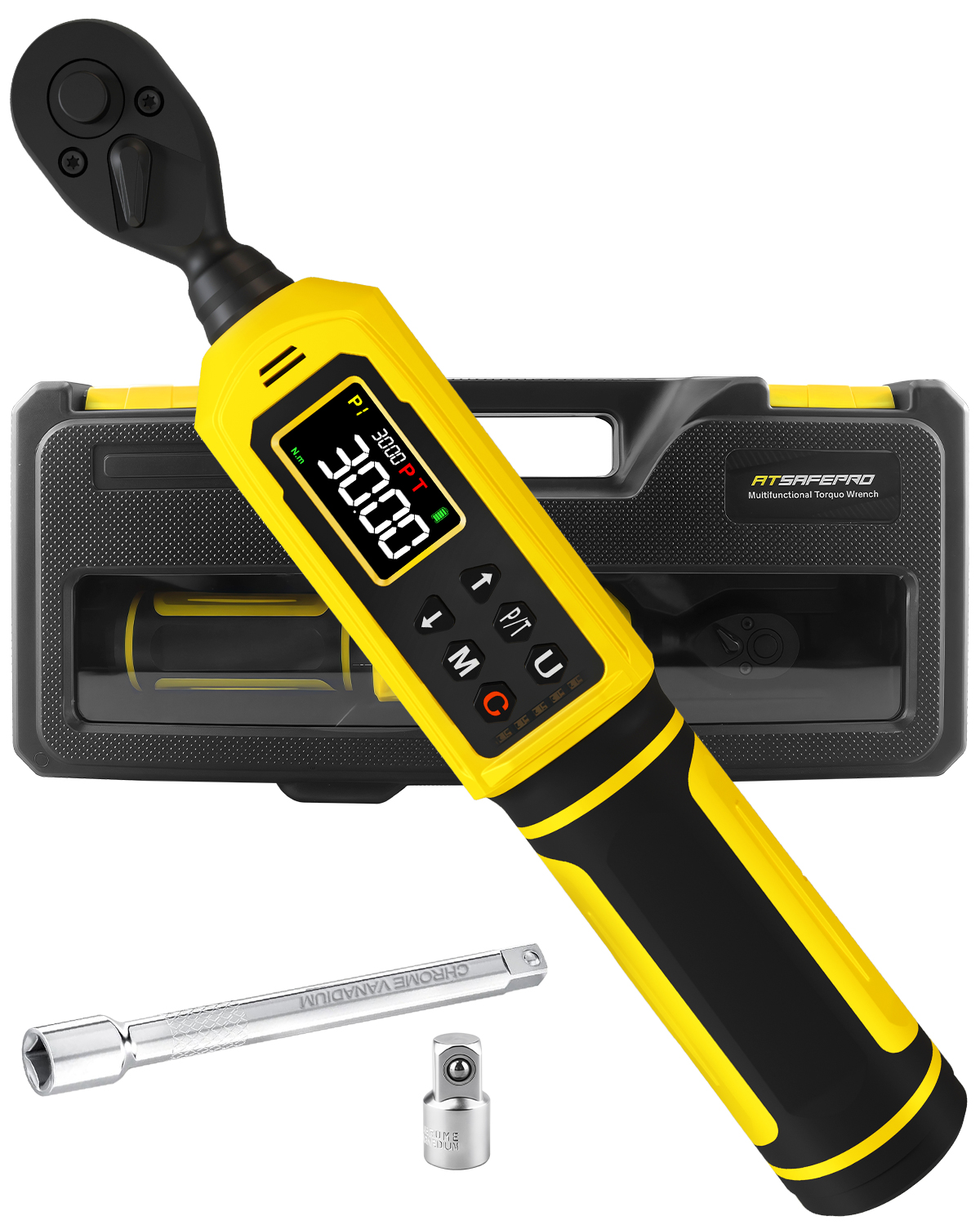
An automatic tire deflator stands out for its convenience and precision, making it a favorite among modern adventurers. This type of tire deflator uses advanced mechanisms, often powered by air pressure differences or electronic controls, to automatically stop deflating once the desired PSI is reached. No more guessing or constant monitoring—simply set your target pressure, attach it to the valve stem, and let it do the work. This feature is particularly useful during time-sensitive off-road trips where every minute counts.
One key advantage of the automatic tire deflator is its consistency. Manual errors are minimized, ensuring all tires are at the same pressure for balanced performance. For off-road enthusiasts, this means better control and reduced risk of uneven wear. Many models include digital gauges for real-time readings, adding a layer of accuracy that traditional methods lack. If you're new to tire management, starting with an automatic tire deflator can simplify the process and build confidence in your setup.
In practical use, attach the automatic tire deflator to your tire's valve, preset the pressure, and within seconds, it releases air until the job is done. This efficiency saves energy and time, especially when preparing multiple tires. Users often report that it handles a wide range of pressures, from 30 PSI down to as low as 10 PSI, ideal for extreme off-road conditions. Overall, the automatic tire deflator represents a step forward in tool technology, blending ease with reliability.
The Reliability of a Mechanical Tire Deflator
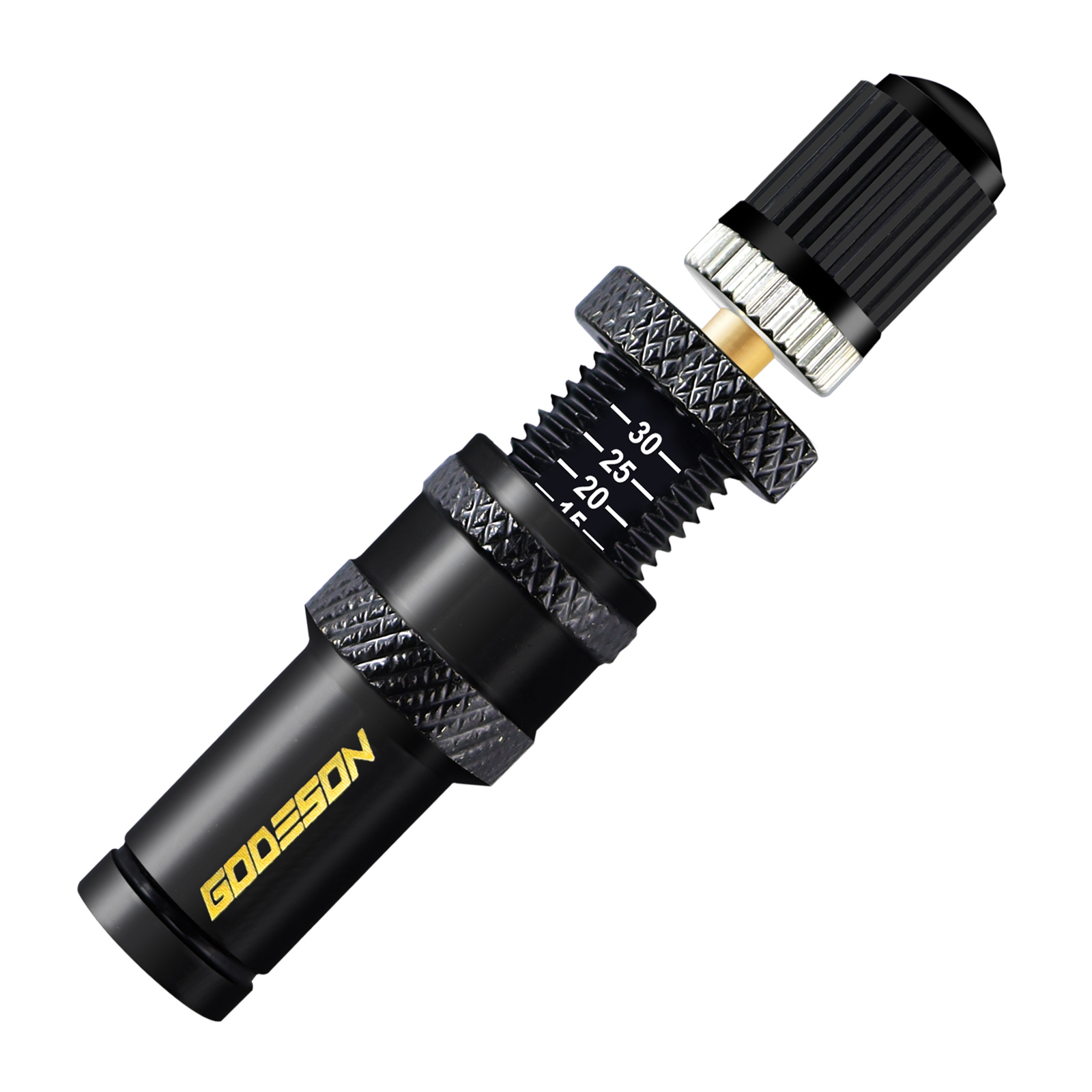
For those who prefer simplicity and durability, the mechanical tire deflator offers a robust alternative. Unlike its automatic counterpart, this tire deflator relies on purely physical components, such as clips, springs, and valves, to regulate air release. You preset the desired pressure using a gauge or markings, and the mechanical action handles the rest without batteries or electronics. This makes it a go-to choice for remote areas where power sources might be unavailable.
Mechanical tire deflators are built to withstand harsh environments, often featuring rugged construction from brass or stainless steel to resist corrosion. In off-road scenarios, where dust and debris are common, their straightforward design ensures longevity and consistent performance. While they may require a bit more hands-on adjustment, the trade-off is a tool that's less prone to failure in extreme conditions. Many off-roaders keep a mechanical tire deflator in their kit for backup reliability.
To use one effectively, connect it securely to the tire valve and monitor the built-in gauge as air escapes. Once it reaches the set pressure, the mechanism seals automatically. This process, though slightly more involved than automatic options, fosters a hands-on understanding of your vehicle's needs. Priced affordably, mechanical tire deflators are accessible for beginners and pros alike, proving that effective tire management doesn't require high-tech gadgets.
Off-Road Tire Deflator Applications and Best Practices
When it comes to off-road tire deflator use, selecting the right tool can enhance your entire experience. Off-road tire deflators, whether automatic or mechanical, are designed to handle the demands of trails and terrains that standard driving can't match. Lowering tire pressure increases the contact patch, improving traction on sand, gravel, or snow, which is crucial for safety and enjoyment. Always consider your vehicle's specifications—SUVs, trucks, and ATVs each have optimal pressure ranges for off-road performance.
Best practices start with knowing your terrain. For sandy dunes, aim for 15-20 PSI using an off-road tire deflator to prevent sinking. In rocky paths, slightly higher pressures around 20-25 PSI maintain sidewall protection. Regular maintenance of your tire deflator, such as checking seals and calibrating gauges, ensures accuracy. Pairing it with a portable air compressor for reinflation is a smart move, allowing quick adjustments back to highway pressures upon returning to pavement.
Safety is paramount when using any tire deflator. Always deflate tires when the vehicle is stationary and on stable ground to avoid instability. Inspect for leaks or damage post-use, and store tools in a dry place to prolong life. By integrating an off-road tire deflator into your routine, you'll not only boost performance but also extend tire lifespan through even wear. Many adventurers swear by this practice for transforming challenging drives into smooth escapades.
Choosing the Right Tire Deflator for Your Needs
Deciding between an automatic tire deflator, mechanical tire deflator, or a specialized off-road tire deflator depends on your driving habits and preferences. If convenience is key and you're often on group trips, the automatic version's speed shines. For solo off-road purists valuing toughness, mechanical options deliver without frills. Consider factors like portability—many compact models fit easily in glove compartments—and compatibility with your tire sizes.
Budget plays a role too; mechanical tire deflators start under $20, while automatic ones with digital features might reach $50 or more. Read reviews from fellow off-roaders to gauge real-world reliability. Investing in quality pays off in avoided frustrations and safer travels. Ultimately, a well-chosen tire deflator empowers you to tackle diverse conditions with confidence, making every journey more enjoyable.
In conclusion, mastering the use of a tire deflator elevates your driving capabilities, especially off-road. From the precision of automatic models to the sturdiness of mechanical ones, these tools are indispensable for optimal tire management. Whether you're a weekend warrior or a seasoned explorer, incorporating a tire deflator into your gear will undoubtedly enhance safety, performance, and fun on the road less traveled. (Word count: 1024)