
Understanding Torque Values for Different Car Components
When it comes to maintaining or repairing your car, one crucial aspect that often gets overlooked is torque values. Torque, measured in Newton - meters (N·m) or pound - feet (lbs - ft), is the rotational force applied to a bolt or nut. Using the correct torque values is not just about ensuring that parts are fastened properly; it's about the safety, performance, and longevity of your vehicle.
Engine Components
Spark Plugs
Spark plugs play a vital role in igniting the air - fuel mixture in the engine cylinders. The torque value for spark plugs varies depending on the engine type. For example, in a 1.6 - 2.0L engine, the recommended torque for spark plugs is typically around 25 N·m. In a 1.8T engine, this value might increase to 30 N·m. Applying too little torque could cause the spark plug to loosen over time, leading to misfires and reduced engine performance. On the other hand, overtightening can strip the threads in the cylinder head, resulting in costly repairs.
Oil Filter and Drain Bolt
The oil filter should be tightened to a specific torque, usually around 25 N·m. This ensures a proper seal, preventing oil leaks. The oil drain bolt also has its own torque value, often around 30 N·m. If the drain bolt is not tightened enough, oil will leak out, which can quickly lead to engine damage due to lack of lubrication. Overtightening the drain bolt can strip the threads in the oil pan, requiring the replacement of the pan.
Engine Mount Bolts
Engine mount bolts secure the engine to the vehicle's frame. Bolts that attach the engine to the mount (with a diameter of 18 mm, for instance) usually need to be tightened to 100 N·m. Mounts with 13 - mm bolts connecting to the body might have a torque value of 25 N·m. Incorrect torque on these bolts can cause the engine to vibrate excessively, leading to premature wear of the mounts and potentially affecting the alignment of other engine components.
Transmission Components
Transmission - to - Engine Bolts
The bolts that connect the transmission to the engine are critical for power transfer. These bolts typically require a torque of around 80 N·m. If these bolts are not tightened correctly, there could be a loss of power during acceleration, and in severe cases, the transmission could separate from the engine, causing a complete breakdown.
Transmission Oil Pan Bolts
Transmission oil pan bolts should be tightened to about 40 N·m. A proper seal is essential to prevent transmission fluid leaks. Low transmission fluid levels can cause the transmission to overheat and fail, as the fluid is crucial for lubrication and cooling within the transmission.
Chassis and Suspension Components
Wheel Lug Nuts
Wheel lug nuts are perhaps one of the most well - known components in terms of torque requirements. For most passenger cars, wheel lug nuts should be tightened to around 120 N·m. This value ensures that the wheels are securely attached to the vehicle. Under - tightened lug nuts can cause the wheels to loosen while driving, which is extremely dangerous. Overtightening can damage the wheel studs or warp the brake rotors.
Suspension Bolts
Control arm bolts, for example, have different torque values depending on their location and function. Bolts that attach the control arm to the subframe might need to be tightened to 70 N·m plus an additional 90 - degree turn (a method known as "torque - to - yield"), while those connecting the control arm to the body could require 100 N·m plus 90 degrees. Incorrect torque on suspension bolts can lead to uneven tire wear, poor handling, and in extreme cases, a loss of control over the vehicle.
Steering Components
Steering components also have specific torque values. The nut that secures the steering wheel to the steering column is typically tightened to 50 N·m. Bolts connecting the steering linkage to the wheels might need to be torqued to 45 N·m. Incorrect torque in these areas can result in a loose or unresponsive steering feel, which is a significant safety concern.
Why Torque Values Matter
Using the correct torque values is not just a matter of following a set of rules. It's about ensuring the integrity of your vehicle. When bolts are tightened to the proper torque, they provide the right amount of clamping force. This clamping force holds components together, preventing movement, vibration, and potential damage.
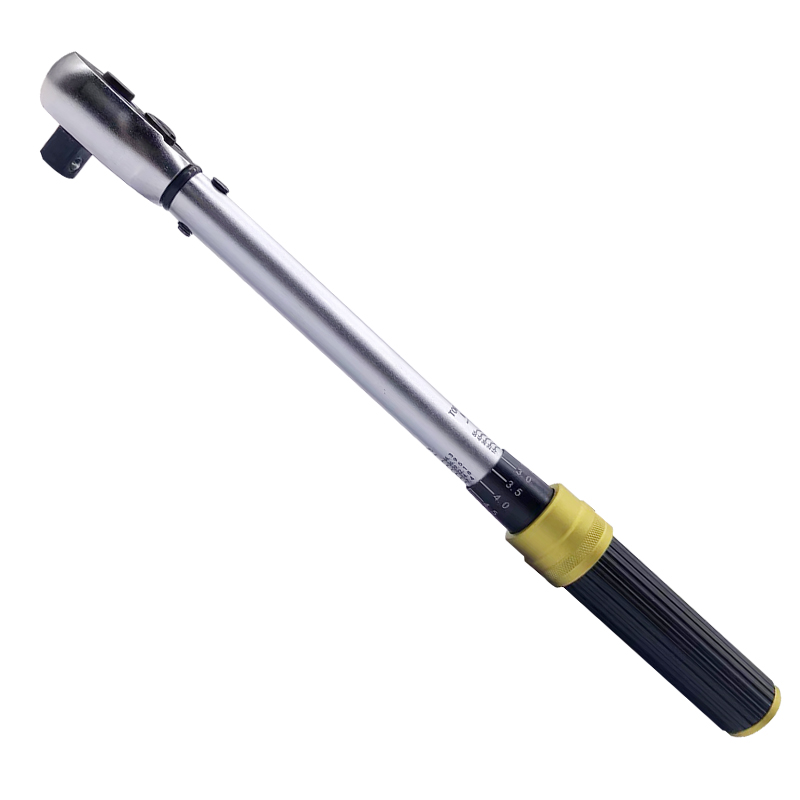
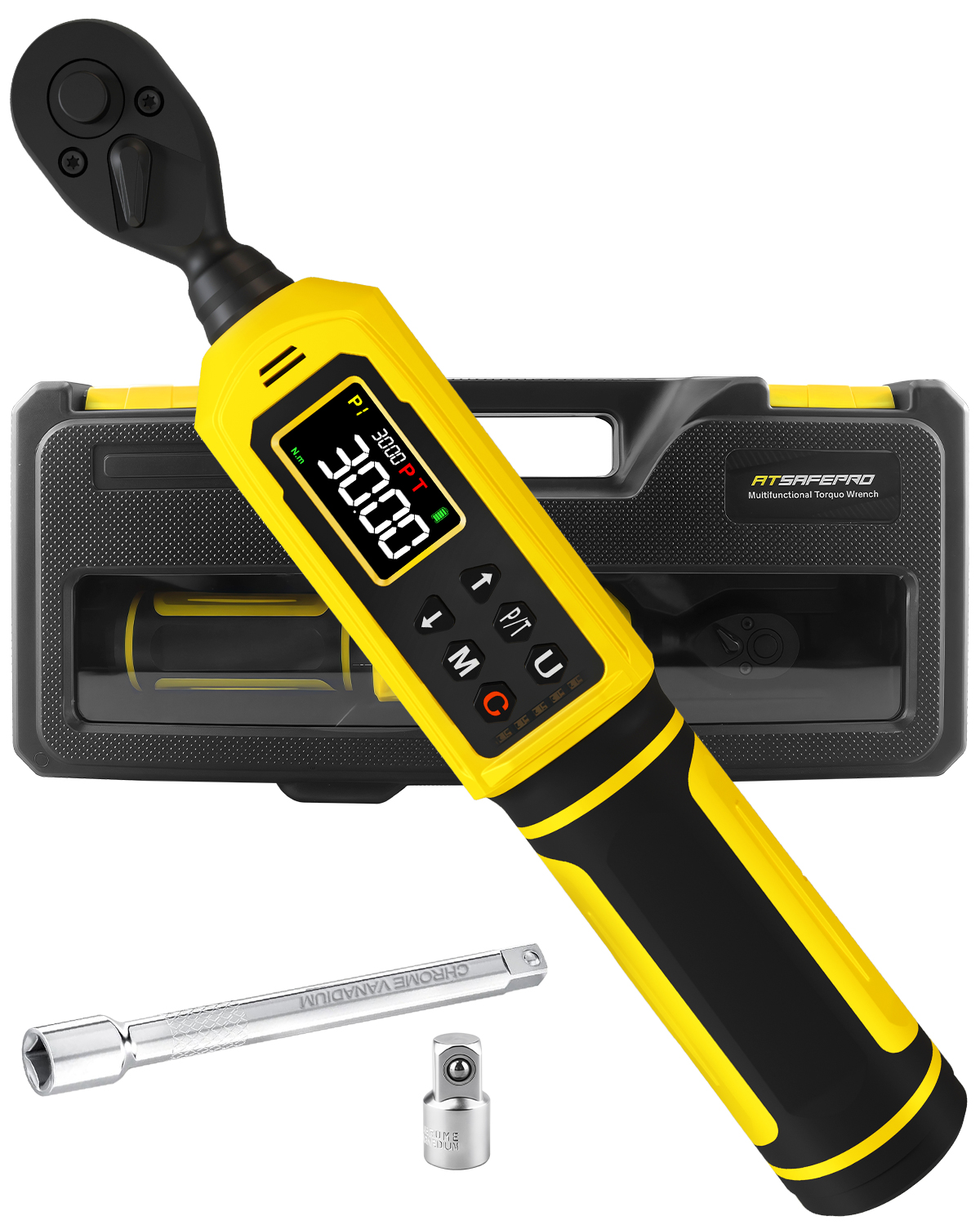
Moreover, in cases where safety - critical components are involved, such as wheel lug nuts or suspension bolts, incorrect torque values can have life - threatening consequences. Always consult your vehicle's service manual for the exact torque specifications for each component. And when working on your car, use a quality torque wrench to ensure that you are applying the correct amount of force. By paying attention to torque values, you can keep your car running smoothly, safely, and efficiently for years to come.
Related products: