
Over 20 years of experience in manufacturing tire gauges & automotive tools.

What Is a Torque Wrench and Why Every DIY Enthusiast Needs One

  • Product Guide
Posted by GODESON On Nov 03 2025

What Is a Torque Wrench and Why Every DIY Enthusiast Needs One

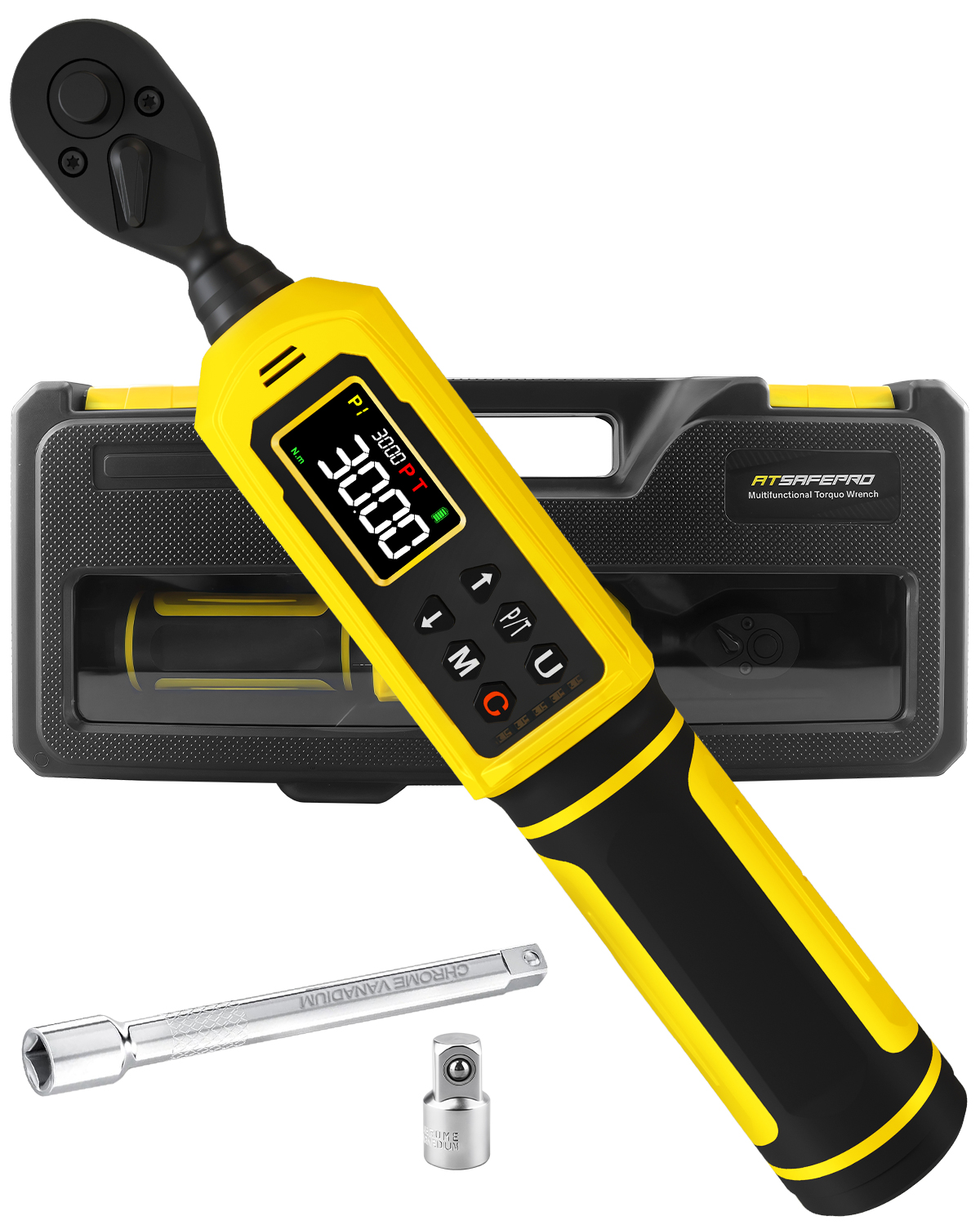
A torque wrench isn’t just another tool—it’s a precision instrument designed to apply a specific amount of rotational force (torque) to fasteners like bolts and nuts. Unlike regular wrenches that rely on guesswork, torque wrenches ensure you don’t over-tighten (which can strip threads or damage parts) or under-tighten (which leads to loose connections).

For DIYers, this matters more than you might think. Imagine assembling a bike: too much torque on the crankset bolts could crack the frame, while too little might make the crank slip mid-ride. Or working on your car’s oil pan—overtightening the drain plug can warp the pan, causing leaks. A torque wrench eliminates these risks by letting you set an exact torque value (measured in foot-pounds or Newton-meters) and alerting you when you’ve reached it (via a click, beep, or needle movement).

Even if you’re new to DIY, a basic torque wrench is an investment that protects your projects and tools. It turns “good enough” into “done right”—and that’s why it’s a must-have for any home workshop.

Featured Blogs

Tag:

  • Hot Products
Share On
Featured Blogs
How to Choose the Best 1/4" Torque Wrench Set for Bike Maintenance & DIY

How to Choose the Best 1/4" Torque Wrench Set for Bike Maintenance & DIY

Discover the ideal 1/4" torque wrench set for precise bicycle maintenance and DIY repairs. ATSAFEPRO shares expert insights on ±3% accuracy, durable design, and all-in-one kit benefits.

How to Use a Tire Inflator Gauge: A Complete Guide for Safe & Accurate Tire Maintenance

How to Use a Tire Inflator Gauge: A Complete Guide for Safe & Accurate Tire Maintenance

How to Use a Tire Inflator Gauge: A Complete Guide for Safe & Accurate Tire Maintenance 1. Why Proper Tire Pressure Matters (And Why You Need a Gauge) 2. Understanding Tire Pressure: Key Terms & Ranges 3. Types of Tire Inflator Gauges: Which One Should You Choose? 4. How to Choose the Right Tire Inflator 5. Preparing to Use Your Tire Inflator 6. Step-by-Step: How to Use a Tire Inflator Gauge 7. Tips for Maintaining Proper Tire Pressure 8. Maintaining Your Tire Inflator 9. Troubleshooting Common Issues 10. Conclusion: Make Tire Maintenance a Habit

Master Tire Care with Dual Head Pressure Gauge

Master Tire Care with Dual Head Pressure Gauge

1. Discover the Ultimate Dual Head Tire Pressure Gauge 2. Why Choose a Dual Head Tire Pressure Gauge? 3. Exploring the Features of the Dual Head Tire Gauge 4. Benefits of Using a Tire Pressure Gauge for Optimal Performance 5. Comparing Analog Tire Pressure Gauges: Why Dual Head Wins 6. Tips for Using Your Dual Head Tire Gauge Effectively

How to Choose a Car Air Pump : A Step-by-Step Personalized Guide

How to Choose a Car Air Pump : A Step-by-Step Personalized Guide

1. Start with "Your Vehicle + Usage": The Foundation of Your Choice 2. Match Technical Specs to Your Needs (No Jargon Required) 3. Prioritize User-Friendly Features That Solve Your Pain Points 4. Set a Budget (You Don’t Need to Overspend)

How to Choose a Reliable Digital Tire Pressure Gauge: ATsafepro Model Review

How to Choose a Reliable Digital Tire Pressure Gauge: ATsafepro Model Review

Need an accurate tire pressure gauge for daily driving or road trips? Discover ATsafepro’s digital tire pressure gauge with 4-unit conversion, backlit LCD display, and 360° swivel chuck—your safe driving essential.

Tire Pressure Gauge: Mastering Vehicle Safety with Precision

Tire Pressure Gauge: Mastering Vehicle Safety with Precision

1. How to Use a Tire Pressure Gauge for Optimal Vehicle Safety and Performance 2. Understanding the Basics of a Tire Pressure Gauge 3. Step-by-Step Guide to Checking Tire Pressure with a Tire Pressure Gauge 4. Advanced Tips for Using a Digital Tire Pressure Gauge 5. Why Regular Tire Pressure Checks Matter and How a Digital Tire Pressure Gauge Helps 6. Choosing the Right Tire Pressure Gauge for Your Needs