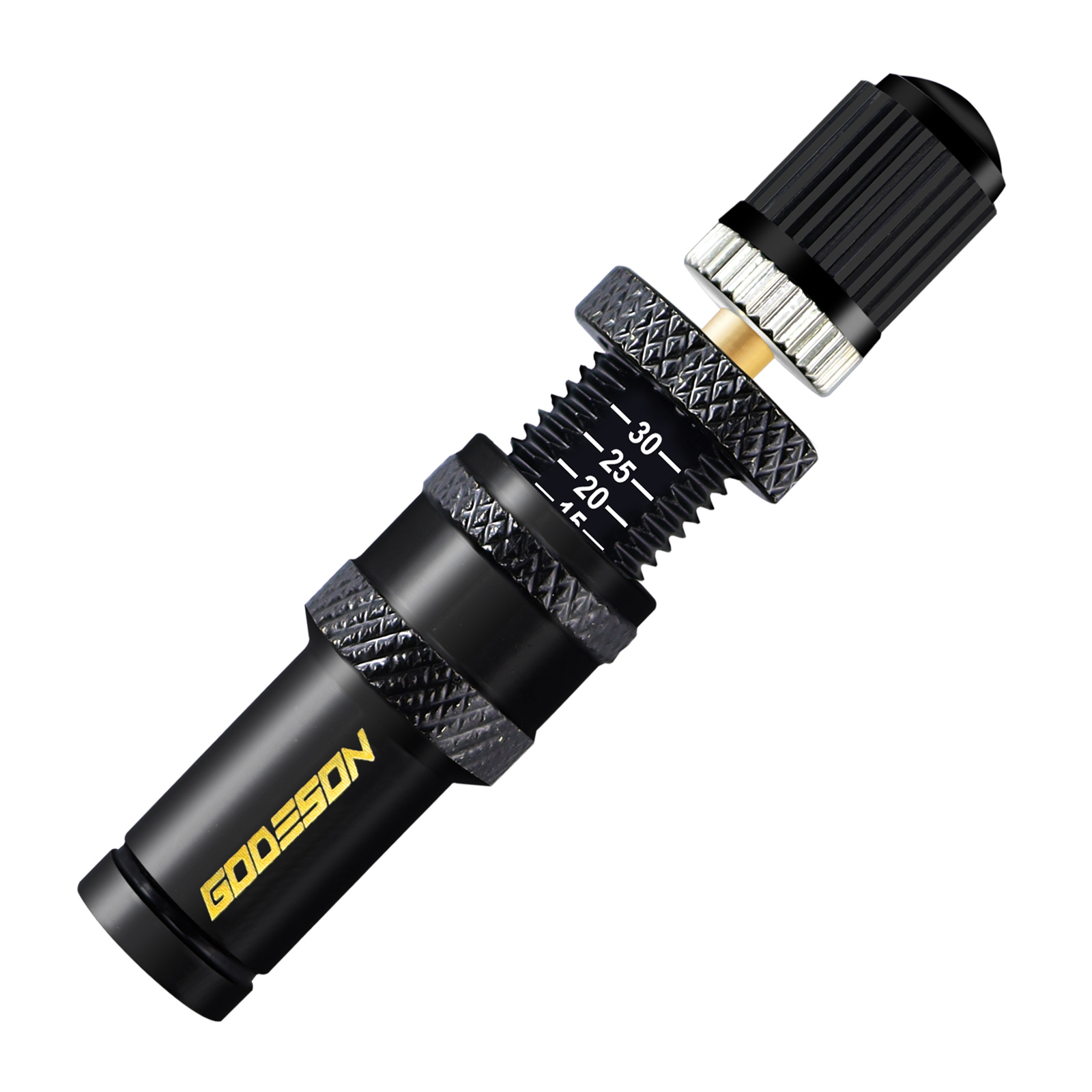

Tire rapid deflators are specialized tools designed for precise and swift release of tire pressure, finding their utility in various scenarios where adjusting tire pressure is essential to meet specific operational needs. Here’s a detailed breakdown of their common usage scenarios:
1. Off - Road Driving
In off - road adventures, adjusting tire pressure is crucial for enhancing vehicle passability:
- Adapting to Complex Terrains: When tackling muddy, sandy, or rocky surfaces, it is necessary to lower the tire pressure. Usually, the pressure is reduced from the standard 2.5bar to around 1.0 - 1.5bar. This reduction increases the tire's contact area with the ground, thereby improving grip and reducing the risk of getting stuck. A rapid deflator can quickly bring the tire pressure down to the target value, avoiding the inefficiencies and inaccurate pressure control associated with manual deflation.
- Resetting After Off - Roading: After completing off - road sections, the tire pressure needs to be restored to the standard value suitable for highway driving. This is to prevent overheating and accelerated wear of the tires due to low pressure during high - speed driving. Some deflators also have an inflation function, allowing for one - stop pressure adjustment.
2. Racing and High - Performance Driving
- Track Competitions: The pressure of racing tires directly affects grip and handling. For example, in high - temperature environments, tires will expand due to heat, leading to an increase in pressure. A rapid deflator can be used to adjust the pressure to the optimal working level in real - time, which is usually determined based on parameters such as tire model and track temperature. This ensures cornering speed and straight - line stability.
- Special Driving like Drifting: During drifting, tires require a specific low pressure to increase the frictional contact between the tread and the ground. A rapid deflator can complete the precise pressure adjustment in a short time, meeting the competitive requirements.
3. Commercial Vehicle Operations
- Trucks and Trailers: When the load changes, the tire pressure needs to be adjusted. For heavy loads, the pressure should be appropriately increased to enhance the load - bearing capacity; for no - load conditions, the pressure should be reduced to reduce 颠簸. A rapid deflator can efficiently adjust the pressure of multiple tires, saving time.
- Buses and Coaches: To improve ride comfort or adapt to different road conditions, such as suburban dirt roads, the tire pressure may need to be temporarily reduced. A deflator can precisely control the pressure to avoid excessive deflation that affects driving safety.
4. Tire Repair and Maintenance
- Tire Patching or Replacement: Before removing a tire, it is necessary to release the internal pressure. A rapid deflator can quickly reduce the pressure to zero, facilitating the operation.
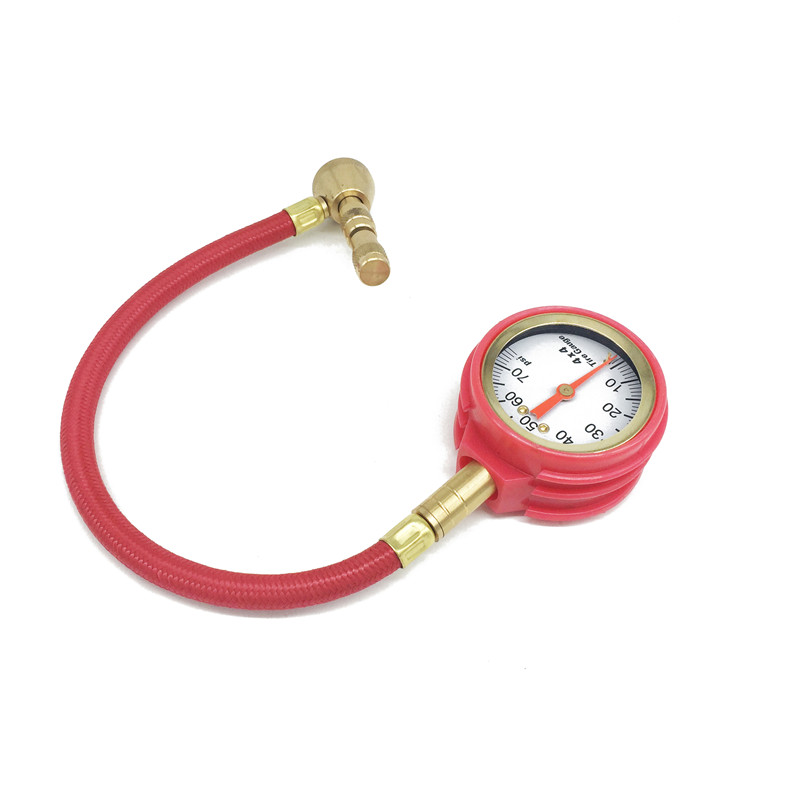
- Tire Pressure Detection and Calibration: When the tire pressure gauge shows abnormal readings, a small amount of air can be released through the deflator, and the pressure can be calibrated with detection tools to ensure the accuracy of the readings.
5. Special Vehicles and Equipment
- Engineering Vehicles: Equipment such as loaders and excavators need to lower their tire pressure when working on soft construction sites. This increases the contact area with the ground and prevents getting stuck. Rapid deflators are suitable for deflating large - size tires of these vehicles.
- Agricultural Machinery: Tractors, harvesters, and other agricultural machines need to adjust their tire pressure according to the softness of the soil when working in the fields. A deflator can quickly complete the adjustment, improving work efficiency.
In conclusion, the core value of tire rapid deflators lies in their "precision and efficiency". They are applicable to all scenarios that require frequent adjustment of tire pressure, and play a particularly important role in fields with high demands on time and pressure accuracy, such as off - roading, racing, and commercial transportation.