
When to Replace Your Tires: A Guide for New Drivers
Your car’s tires are the only parts that touch the road, making them critical for safety, traction, and control. But even the best tires wear out over time, and knowing when to replace them is a key skill for new drivers. Waiting too long can lead to skidding, blowouts, or poor performance in bad weather, while replacing them too early wastes money. To help you decide, here’s a clear guide to the signs that it’s time for new tires.
1. Check the Tread Depth: The 2/32-Inch Rule
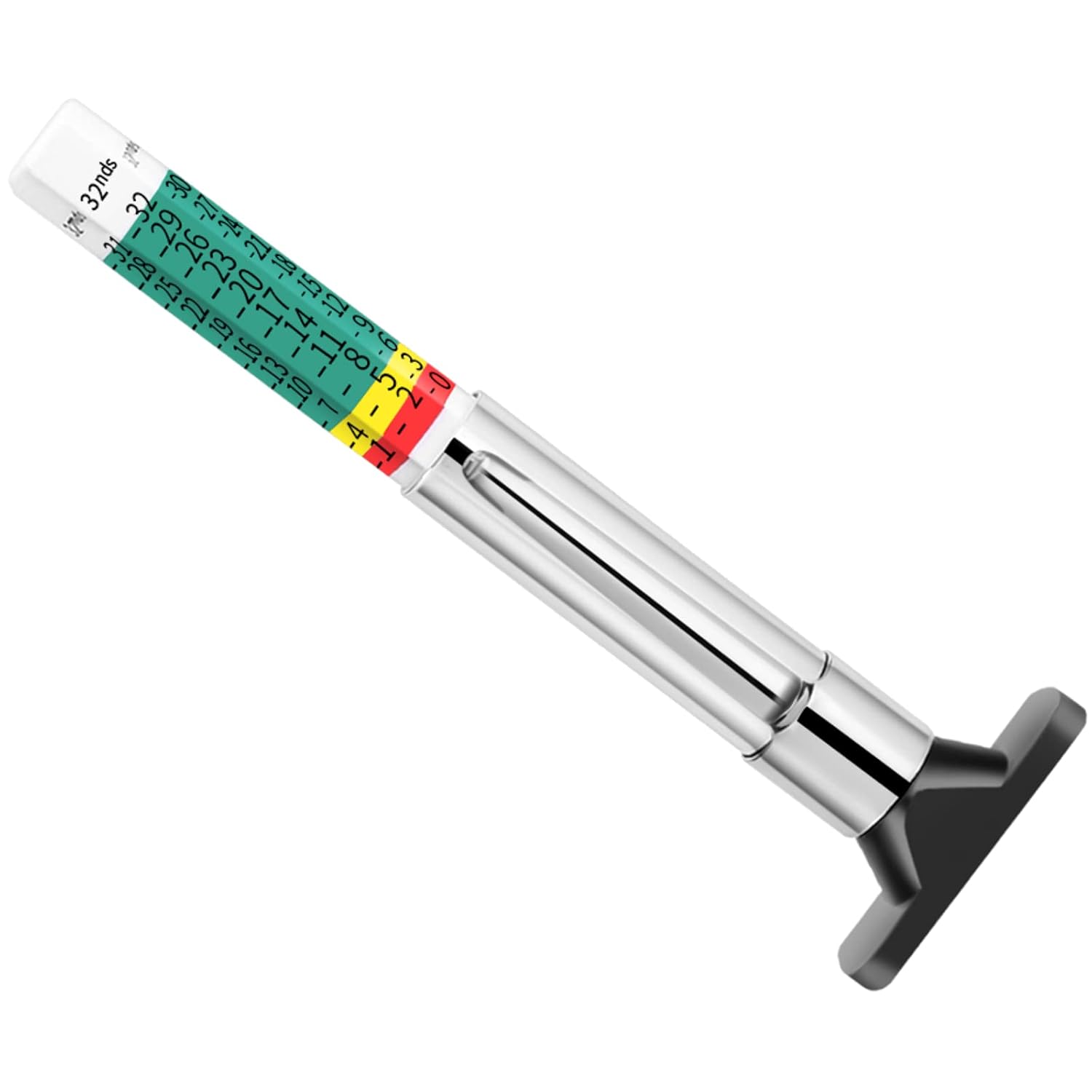
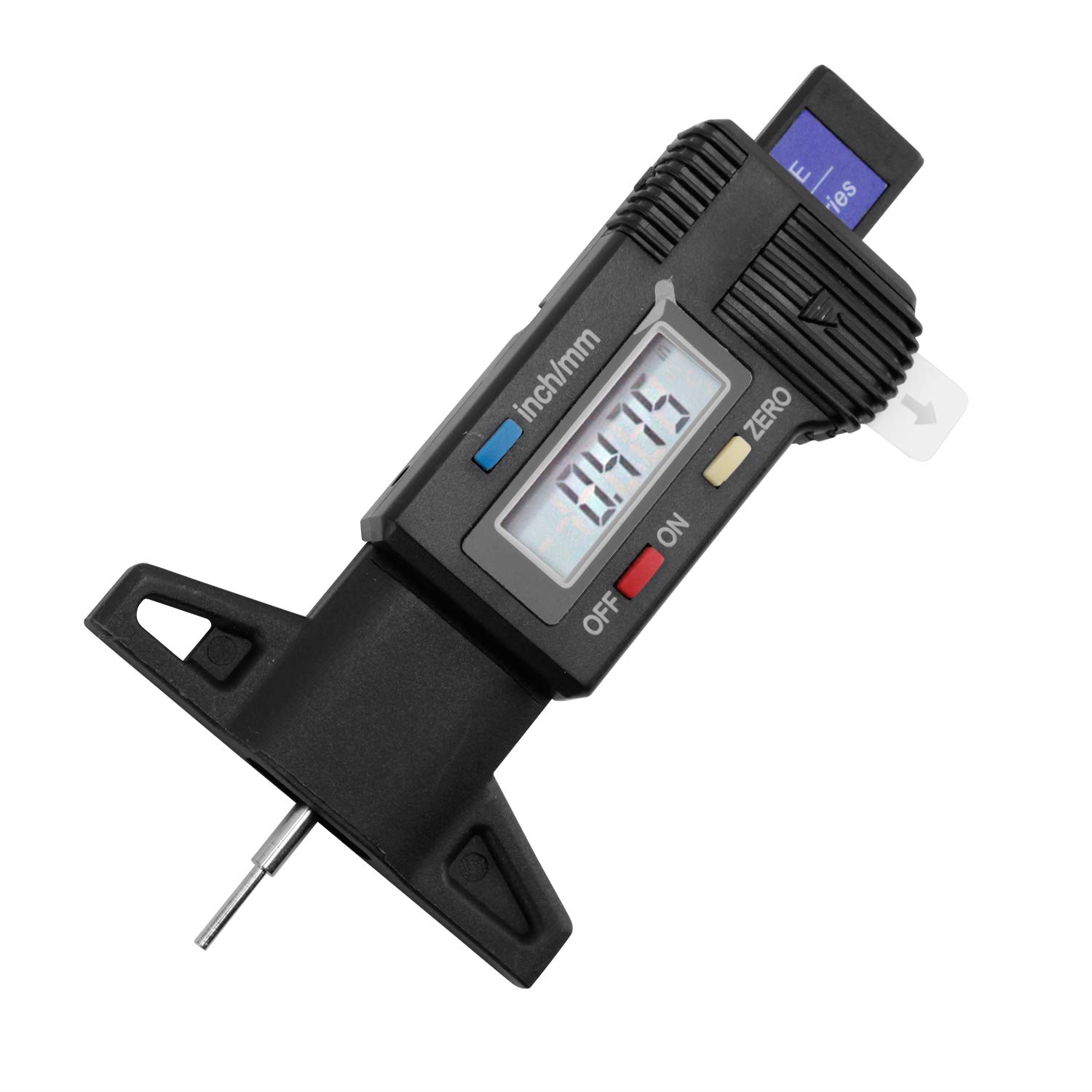
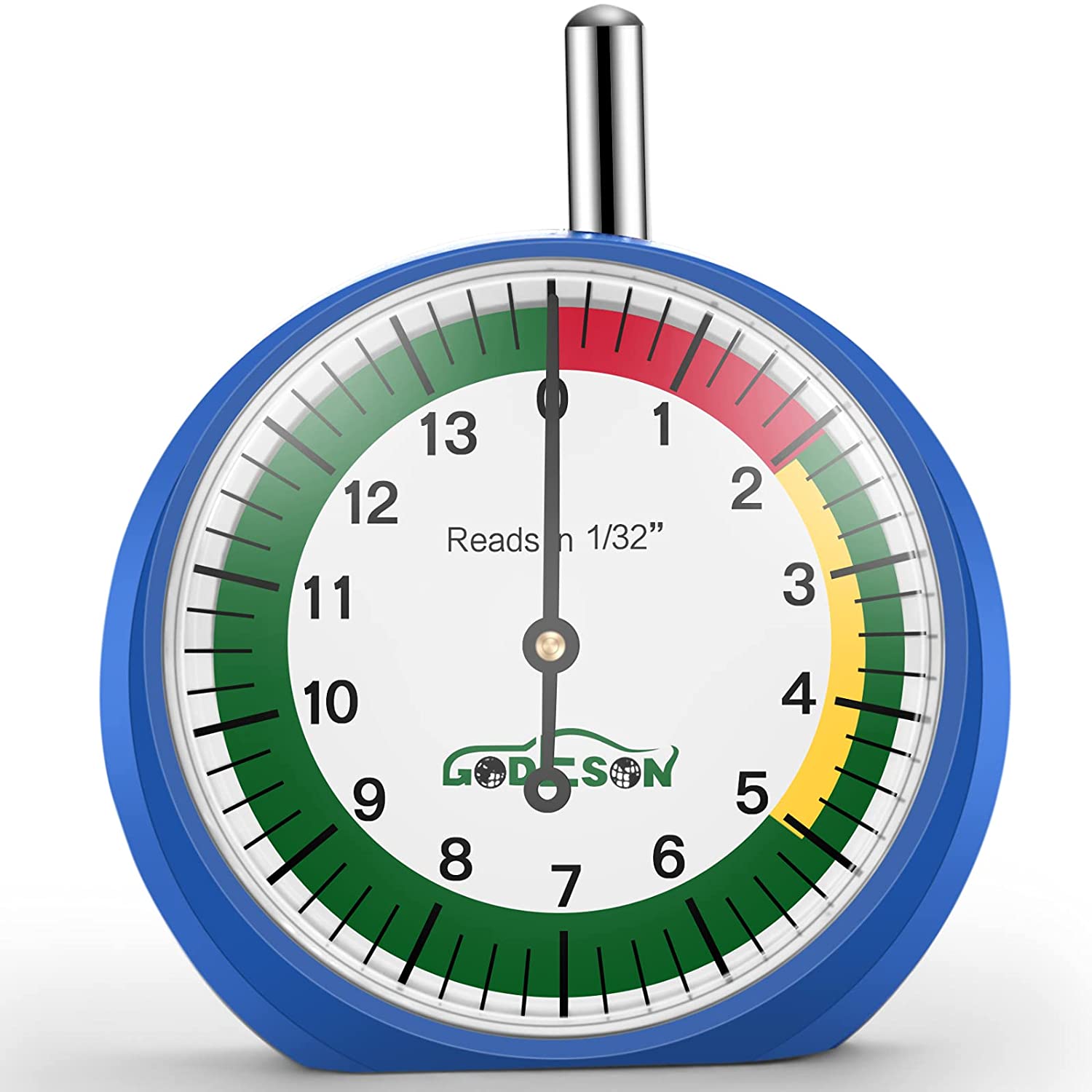
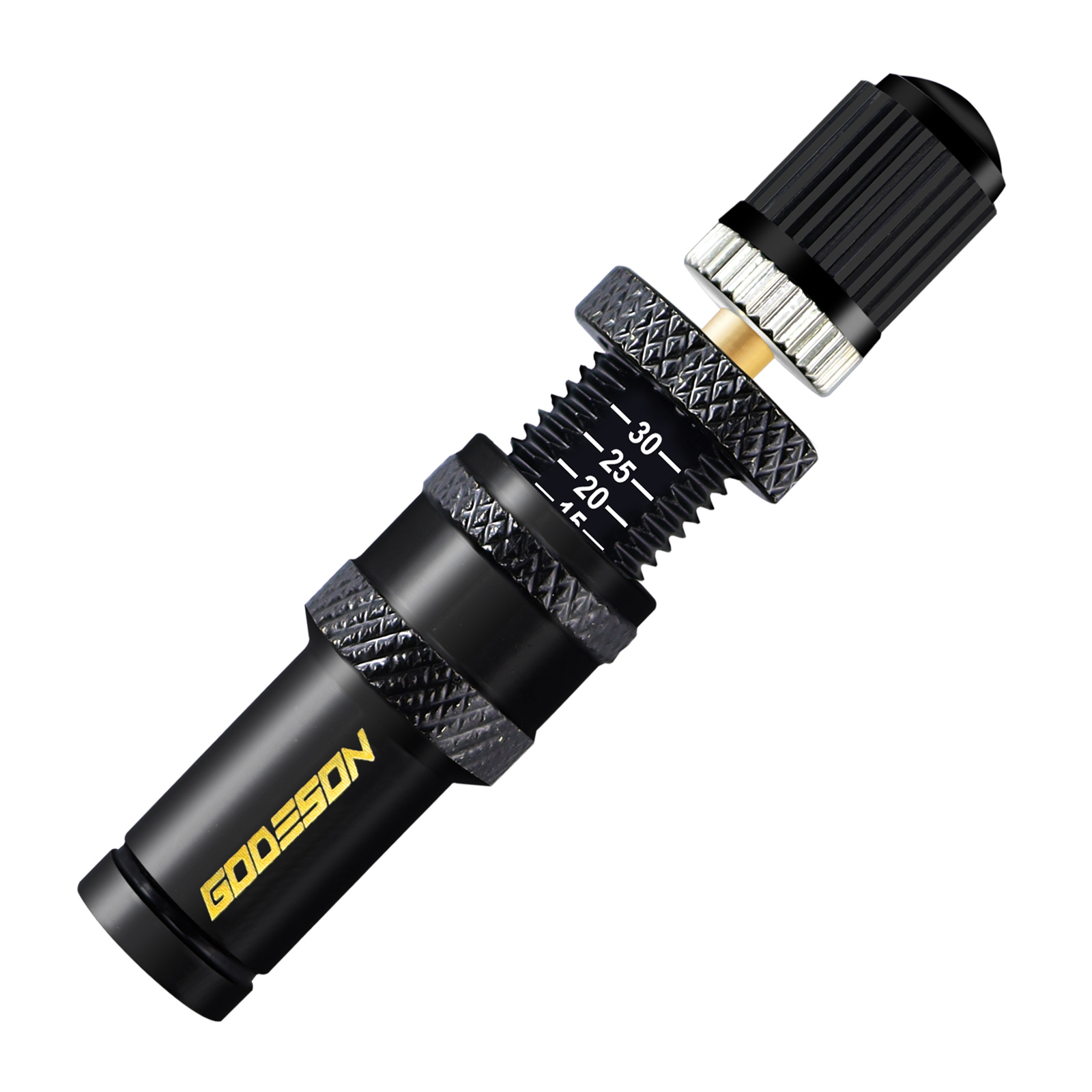
Tread is the grooved rubber on your tires that grips the road, especially in rain or snow. As tread wears down, traction decreases—making it harder to stop or turn safely. The legal minimum tread depth in most places is 2/32 of an inch (1.6 mm), but for optimal safety, consider replacing tires when tread reaches 4/32 of an inch (3.2 mm).
How to check?
- Tread wear indicators: Most tires have small raised bars (called “wear bars”) in the tread grooves. When the tread is level with these bars, it’s at 2/32 of an inch—time to replace.
- Penny test: Insert a penny into a tread groove with Lincoln’s head facing down. If you can see the top of Lincoln’s head, your tread is less than 2/32 of an inch.
For new drivers, this is non-negotiable: worn tread significantly increases the risk of hydroplaning in rain or losing control on slippery roads.
2. Age Matters: Even Unused Tires Expire
Tires degrade over time, even if they’re rarely driven. Sunlight, heat, and oxygen break down the rubber, making it brittle and prone to cracking. Most tire manufacturers recommend replacing tires 6-10 years after their production date, regardless of tread wear.
How to find the production date?
Look for a 4-digit code on the tire’s sidewall (e.g., “3523”). The first two digits are the week of production, and the last two are the year. In this example, “3523” means the tire was made in the 35th week of 2023.
If your car’s tires are older than 6 years, have a mechanic inspect them—even if they look fine. Dry rot (small cracks in the rubber) is a red flag that they’re no longer safe.
3. Visible Damage: Cuts, Bulges, or Punctures
Even with good tread and age, tires can get damaged. New drivers should regularly inspect tires for:
- Cuts or gashes: Deep cuts (more than 1/4 inch) in the sidewall or tread can weaken the tire, leading to blowouts.
- Bulges or blisters: These are signs of internal damage (like a broken cord), often caused by hitting potholes or curbs. Bulges can burst suddenly while driving—never ignore them.
- Punctures: Small nails or screws might be repairable, but large punctures (more than 1/4 inch) or those in the sidewall usually mean the tire needs replacement.
If you notice any of these, don’t wait—replace the tire immediately. For new drivers, avoiding sudden blowouts is crucial, as they can be disorienting and dangerous to handle.
4. Poor Performance: Signs Your Tires Are Failing
Your driving experience can also signal tire issues. Watch for:
- Vibration: Unusual shaking while driving, especially at high speeds, may mean uneven wear or internal damage.
- Hydroplaning: Feeling the car slide on wet roads (even with light rain) suggests worn tread can’t channel water away.
- Reduced grip: Longer stopping distances or slipping on turns, even in dry conditions, indicate tread or rubber degradation.
If you notice these, get your tires checked—they may need replacement, even if they pass the tread and age tests.
5. When to Replace All Four Tires (or Just One?)
Ideally, replace tires in pairs (front or rear) or all four at once, especially if your car is all-wheel drive (AWD). Mixing old and new tires can cause uneven wear or affect handling, as new tires have more tread and grip. If you must replace one tire, match its brand, size, and tread pattern to the others, and have a mechanic adjust the alignment to prevent uneven wear.
Final Tip: Stay Proactive
For new drivers, tire maintenance is part of building safe habits. Check tread monthly, note the production date, and inspect for damage whenever you fill up with gas. Replacing tires on time isn’t just about avoiding breakdowns—it’s about ensuring you have the best possible control over your car, no matter the road or weather.
Your tires are your first line of defense on the road. Treat them with care, and they’ll keep you safe mile after mile.
Happy (and safe) driving!
Related products: