
Why New Drivers Should Learn to Check Tire Pressure: Key Benefits
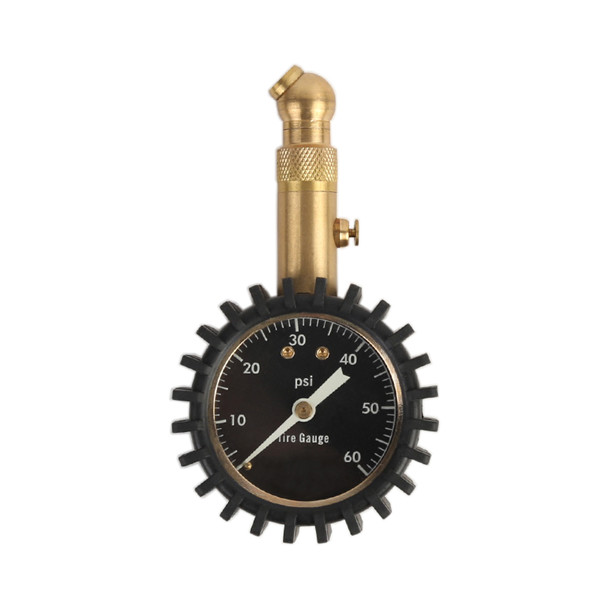
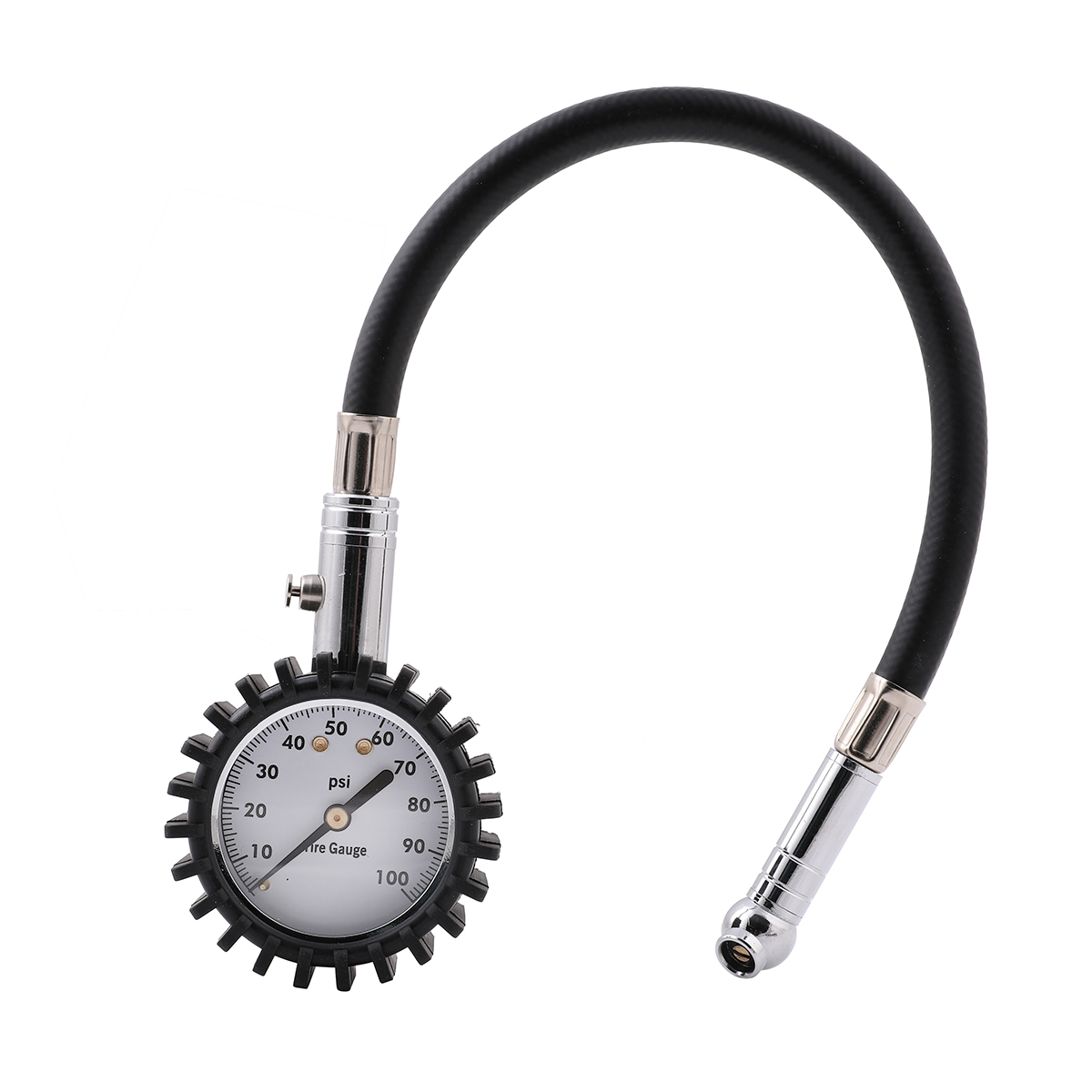
For new drivers, every trip behind the wheel is a learning experience—from mastering parking to understanding road signs. But one skill that often gets overlooked, yet can make a huge difference in safety and confidence, is knowing how to check if your tire pressure is safe. While it might seem like a small detail, this knowledge offers a range of benefits tailored specifically to those just starting their driving journey. Let’s break down why it matters.
1. Builds Confidence in Vehicle Control
New drivers often struggle with feeling “in tune” with their car. Unsafe tire pressure can make this worse: underinflated tires feel sluggish, while overinflated ones can make the steering feel jumpy or unresponsive. By learning to check and adjust pressure, new drivers gain a better sense of how their vehicle should handle. When tires are properly inflated, the car responds predictably—braking feels smoother, turns are more stable, and acceleration is consistent. This predictability reduces anxiety, helping new drivers feel more in control.
2. Reduces Risk of Accidents
Safety is the top priority for all drivers, but new drivers are more vulnerable to mistakes or unexpected issues. Improper tire pressure is a hidden hazard: underinflated tires overheat easily (increasing the risk of blowouts, especially at high speeds), while overinflated tires reduce traction, making it harder to stop on wet or icy roads. For someone still learning to react to emergencies, a tire-related incident could be overwhelming. Knowing how to keep pressure in the safe range lowers these risks, creating a more stable foundation for safe driving.
3. Saves Money (A Win for New Drivers on a Budget)
New drivers often face tight budgets—between insurance, fuel, and car payments, extra costs sting. 幸运的是,保持正确的胎压可以省钱。Underinflated tires reduce fuel efficiency by up to 3% (the U.S. Department of Energy estimates), meaning you’ll fill up more often. They also wear out faster, forcing you to replace tires sooner. Overinflated tires wear unevenly, shortening their lifespan too. By learning to check pressure, new drivers avoid these unnecessary expenses, keeping more money in their pockets for other driving essentials.
4. Encourages Good Maintenance Habits
Driving isn’t just about operating the vehicle—it’s about caring for it. Checking tire pressure is a simple, low-stakes way for new drivers to build a routine of vehicle maintenance. Once this habit sticks, it often extends to other tasks: checking oil levels, topping up windshield fluid, or inspecting brakes. These small actions prevent bigger, costlier problems down the line and foster a sense of responsibility toward the car—key for long-term driving success.
5. Helps Interpret Vehicle Warnings
Many modern cars have a Tire Pressure Monitoring System (TPMS) that lights up when pressure is low. But for new drivers, this warning can be confusing: Is it an emergency? Do I need to stop immediately? By understanding how tire pressure works, new drivers learn to interpret the TPMS light correctly. They’ll know whether to add air at the next gas station or pull over safely if the issue is urgent, avoiding panic in high-stress situations.
6. Makes Long Trips Less Stressful
Road trips or long drives are exciting milestones for new drivers, but they also come with added pressure. Flat tires or blowouts in unfamiliar areas can turn a fun trip into a nightmare. By regularly checking pressure before hitting the road, new drivers can prevent these scenarios. They’ll feel more prepared to handle minor issues (like adding air at a rest stop) and less likely to face major breakdowns, making the journey more enjoyable.
Final Thought
Learning to check tire pressure isn’t just about car maintenance—it’s about empowering new drivers with knowledge that builds confidence, safety, and responsibility. It’s a small skill that pays off in big ways, from smoother drives to fewer unexpected costs. So, if you’re a new driver, add “check tire pressure” to your pre-driving routine. Your car, your wallet, and your peace of mind will thank you.
Happy (and safe) driving!
Productos relacionados: