
Your Ultimate Guide to Off-Roading Tire Pressure
Off-roading is more than just driving—it’s an adventure that takes you far beyond paved roads, into dirt, sand, mud, rocks, and untamed landscapes. Every bump, climb, and rough trail tests your skill, your vehicle, and one surprisingly critical detail: tire pressure.
Many off-road fans focus on horsepower, suspension, and tires themselves, but air pressure inside those tires is what truly unlocks safety, control, and performance. This guide will show you why tire pressure matters so much off-road and how to adjust it like a pro for any terrain.
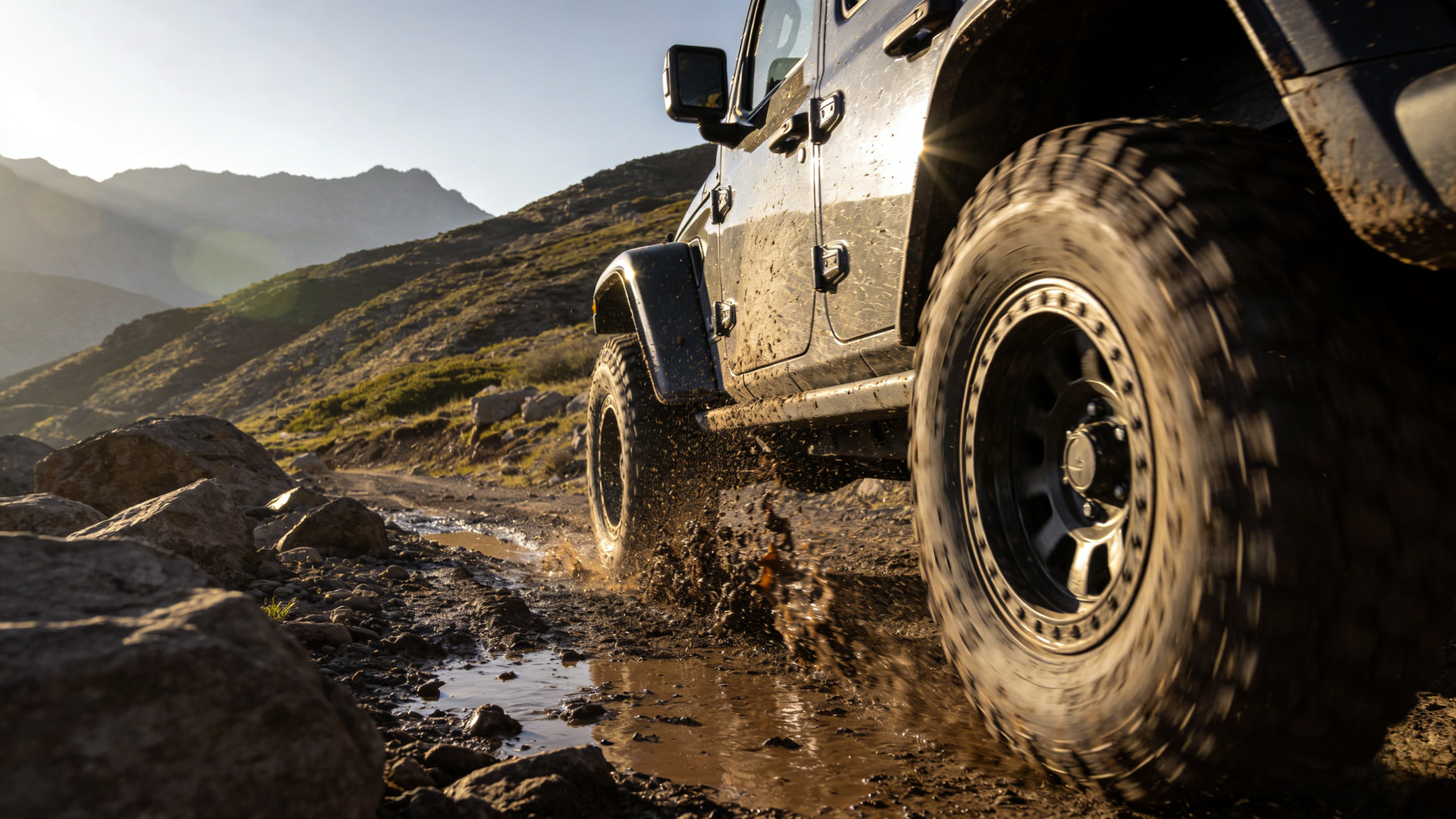
What Is Off-Road Tire Pressure & Why It Matters
Tire pressure is the amount of air inside your tires, measured in PSI (pounds per square inch). It supports the weight of your vehicle, shapes how your tires touch the ground, and directly affects traction, comfort, and durability.
Both overinflation and underinflation create risks:
- Overinflated tires have a smaller contact patch, reducing grip. They also ride harshly and are more likely to crack or puncture when hitting rocks and roots.
- Underinflated tires flex too much, build up excess heat, and increase the chance of sidewall damage or bead separation from the rim.
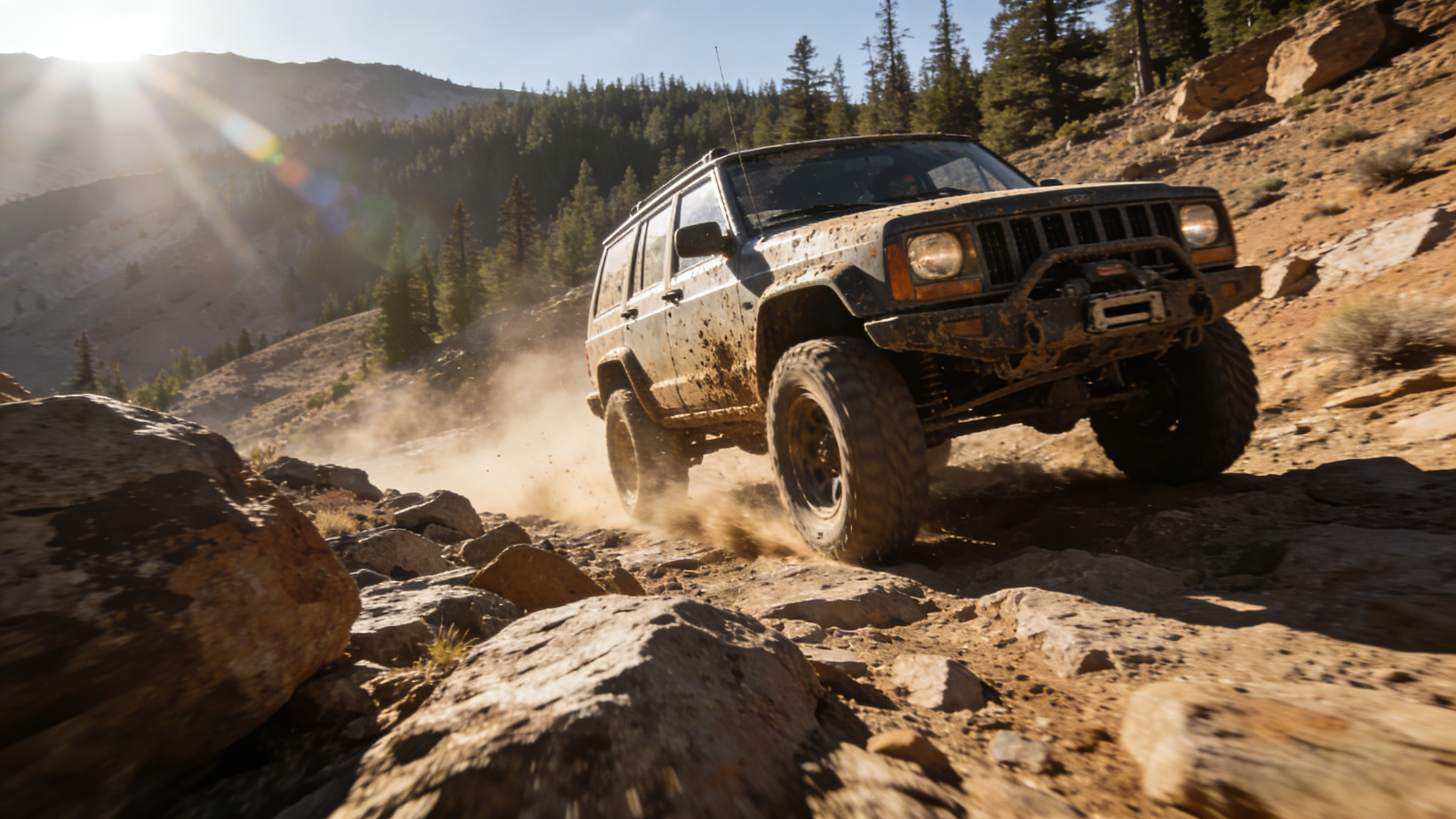
Off-road conditions demand extra attention to pressure. The right balance keeps you in control and protects your equipment.
How Tire Pressure Changes Off-Road Performance
In off-road environments, tire pressure is not fixed—it’s a tool. Smart adjustments can completely transform how your vehicle handles tough terrain.
- Better Traction & Stability
Lowering pressure slightly expands the tire’s contact area with the ground. More rubber touching dirt, mud, or rock means better traction, especially when climbing or navigating slippery surfaces.
- Smoother Ride & Shock Absorption
Softer tires absorb shocks from uneven ground. This makes your ride more comfortable and reduces stress on wheels, suspension, and other components.
- Improved Flotation Over Soft Ground
In sand, snow, or mud, lower pressure prevents your vehicle from sinking. The wider footprint helps you float over soft surfaces instead of digging in.
- Protection Against Damage
On sharp, rocky terrain, slightly higher pressure helps prevent pinches, punctures, and rim damage. Finding the sweet spot keeps your tires intact without losing control.
Ideal Tire Pressure for Different Off-Road Terrains
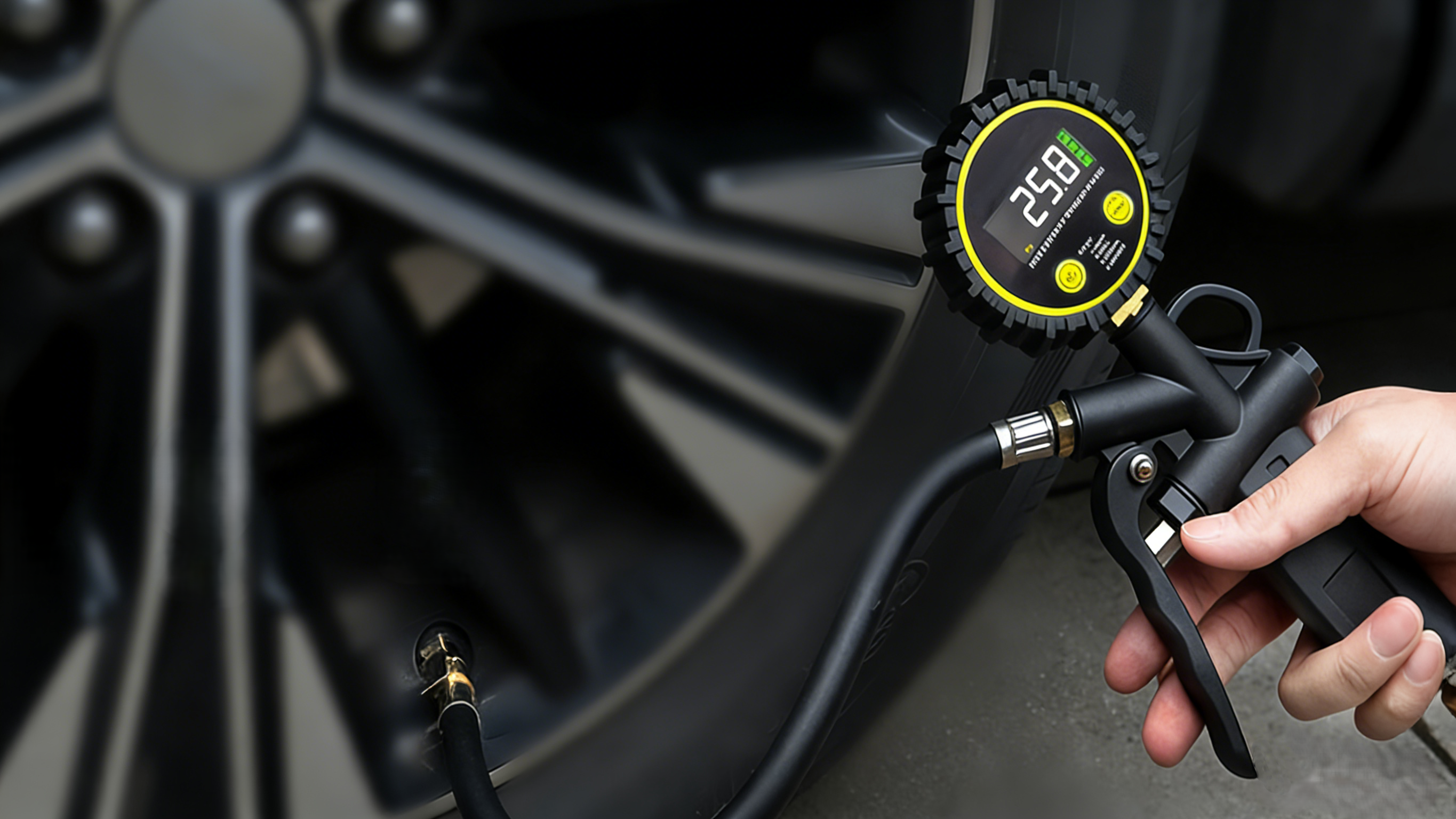
There’s no universal number, but these general ranges work for most off-road vehicles:
- Hard-packed dirt & light trails: 20–25 PSI
- Mud & soft sand: 15–20 PSI (for better flotation)
- Rocky, rough terrain: 25–30 PSI (for extra durability)
Always start near your vehicle’s factory recommendation and adjust based on:
- Vehicle weight and load
- Tire size and type
- Terrain type
- Driving speed
How to Safely Adjust Tire Pressure Off-Road
Follow these simple steps for safe, effective pressure adjustment:
- Begin with factory pressure before leaving pavement.
- Analyze the terrain and decide if you need lower or higher pressure.
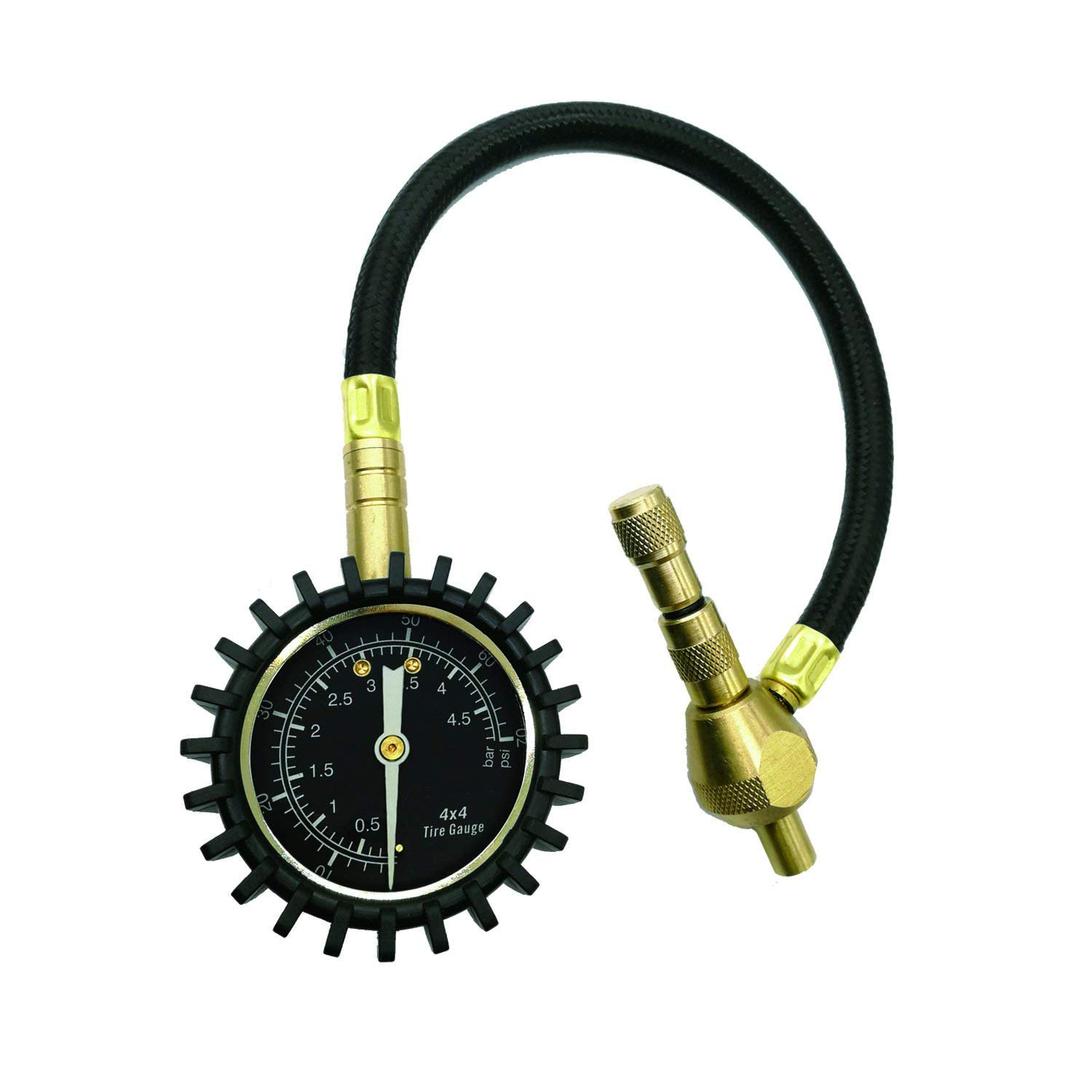
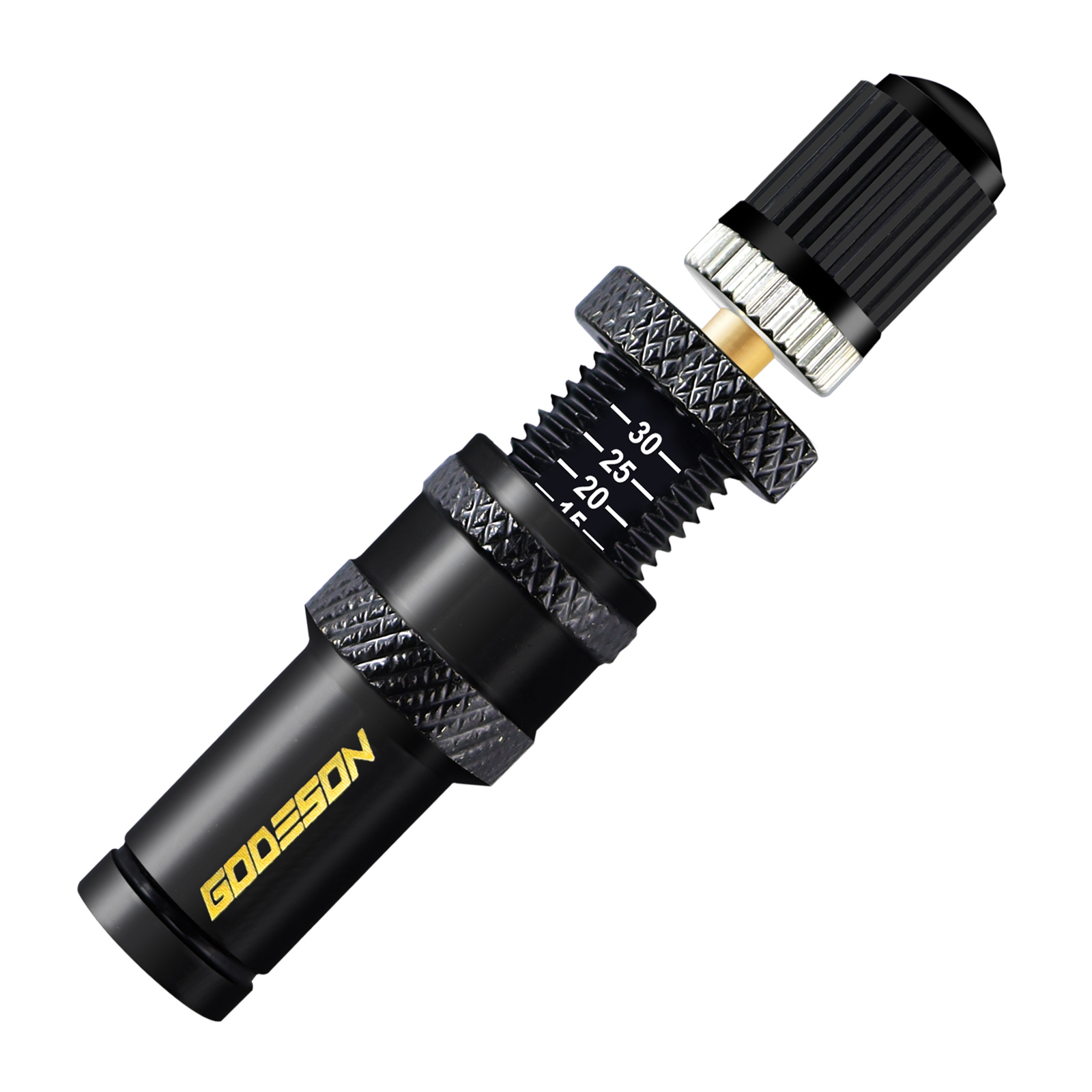
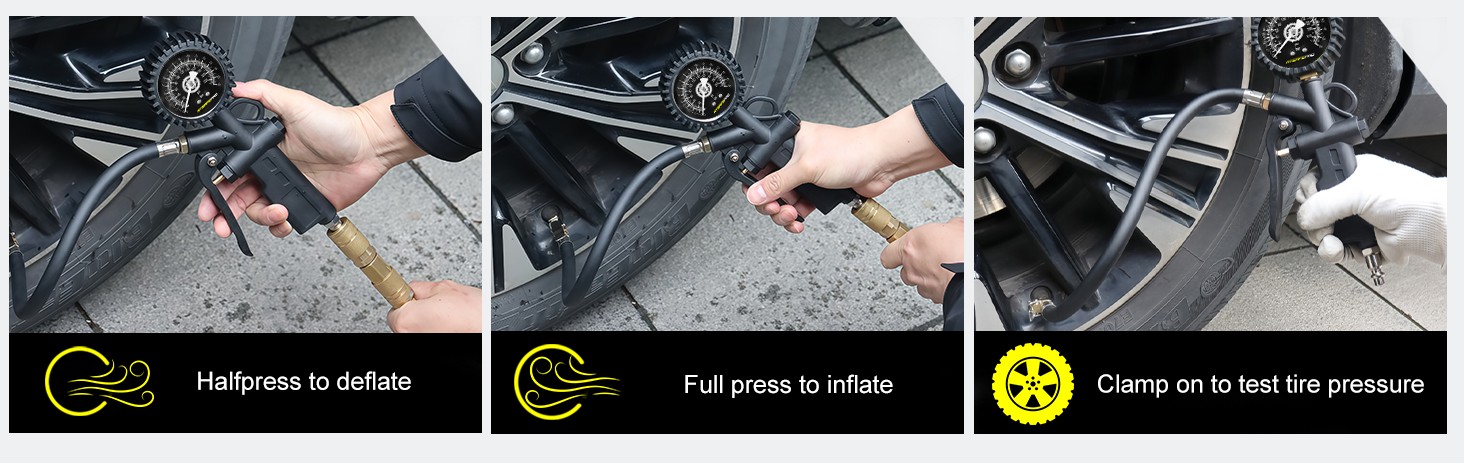
- Deflate slowly using a quality tire deflator or gauge with a bleeder valve.
- Check pressure frequently to avoid going too low.
- Reinflate to standard levels before returning to paved roads.
Driving on low-pressure tires at high speeds on pavement is dangerous and causes rapid tire damage.
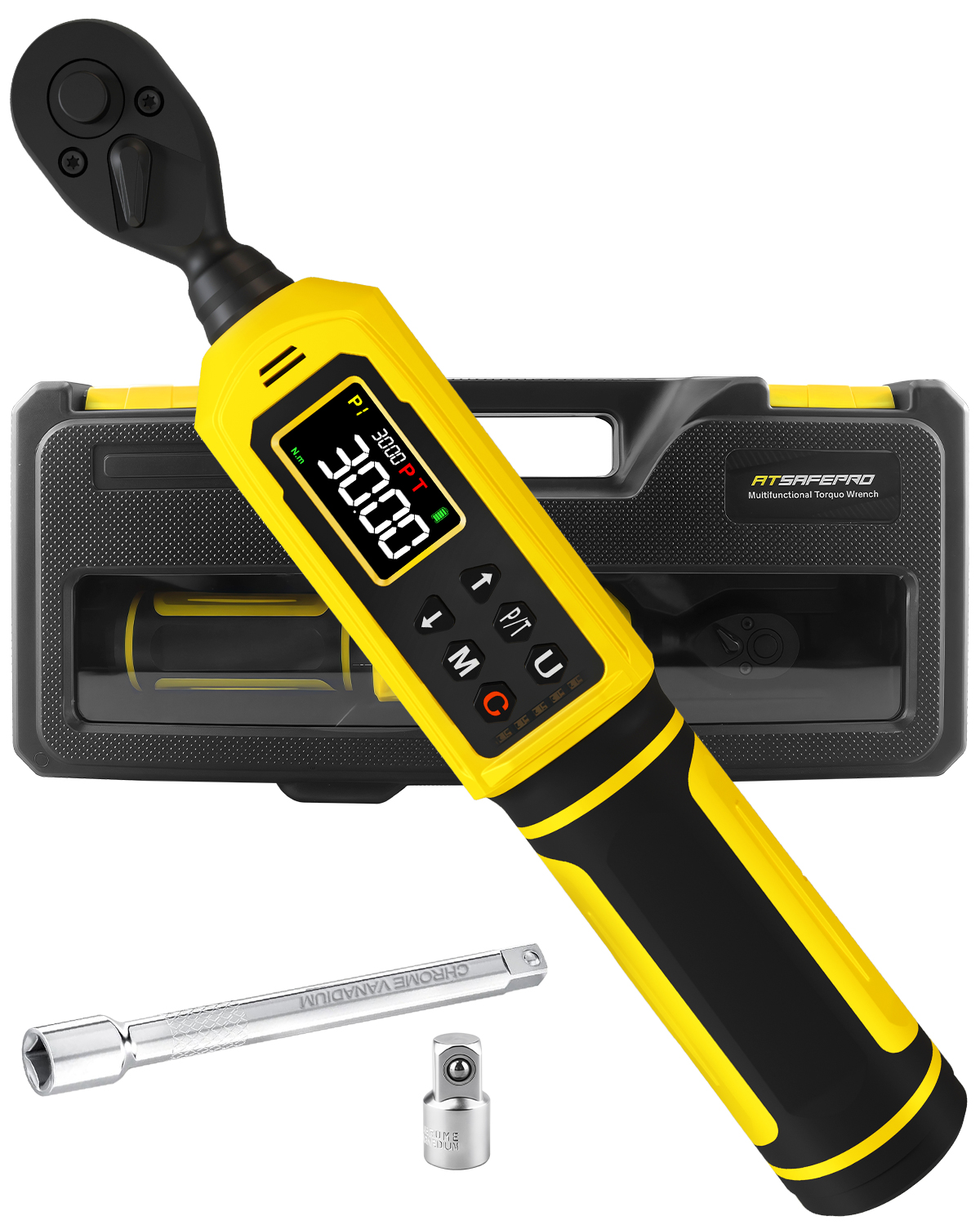
Essential Tools: Tire Gauges & Tire Deflators
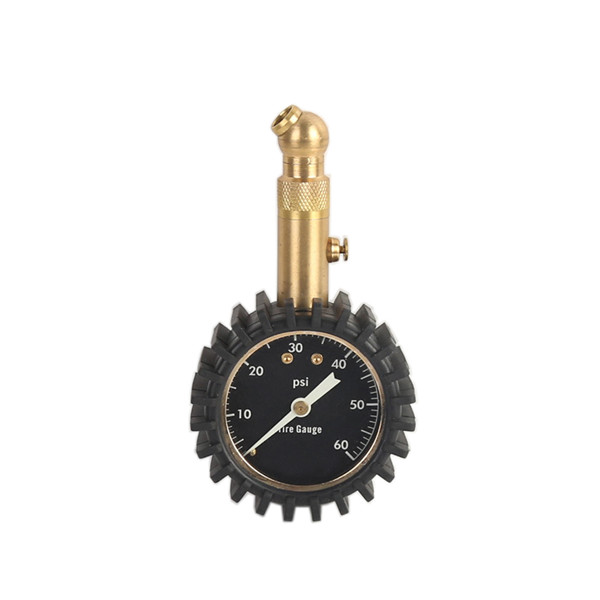
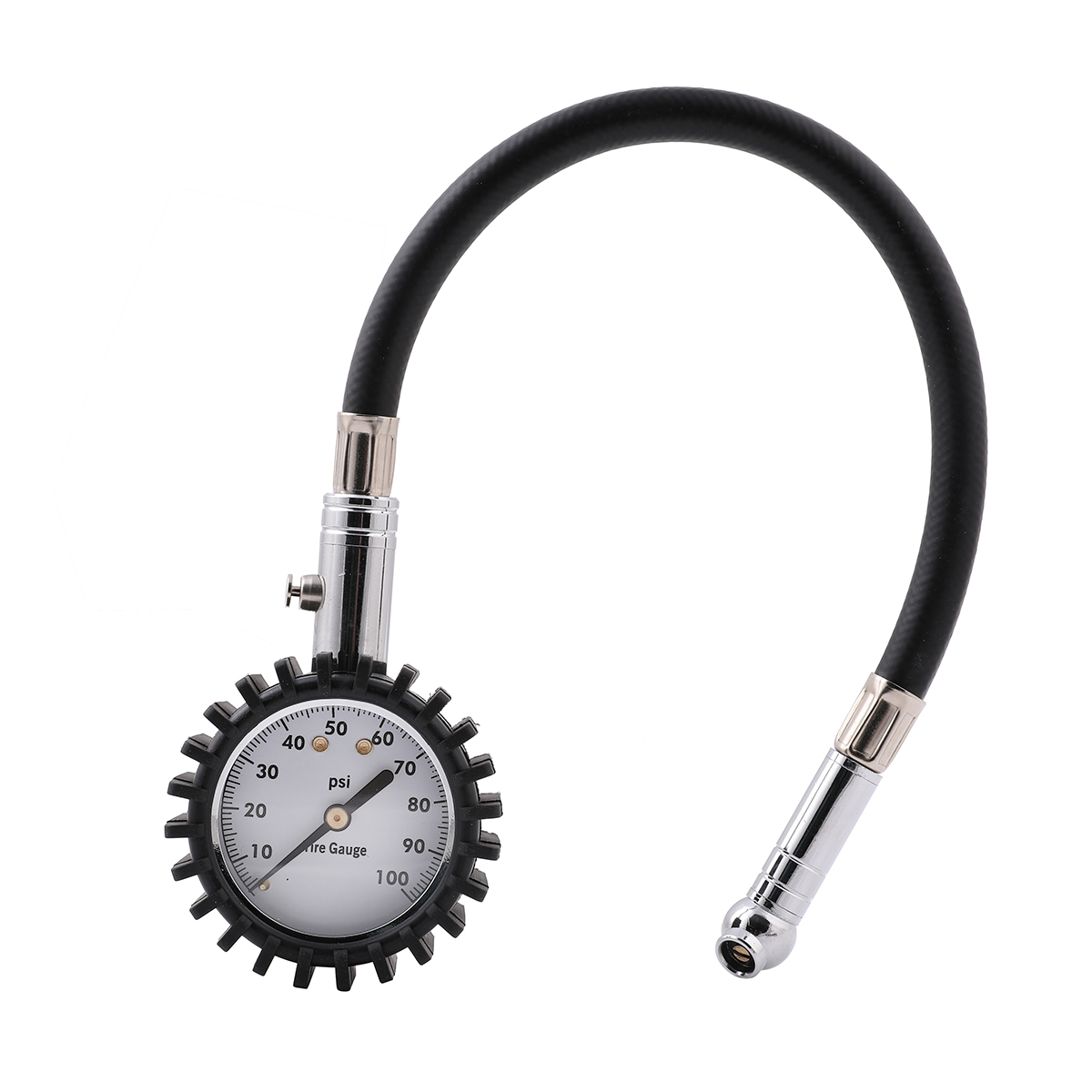
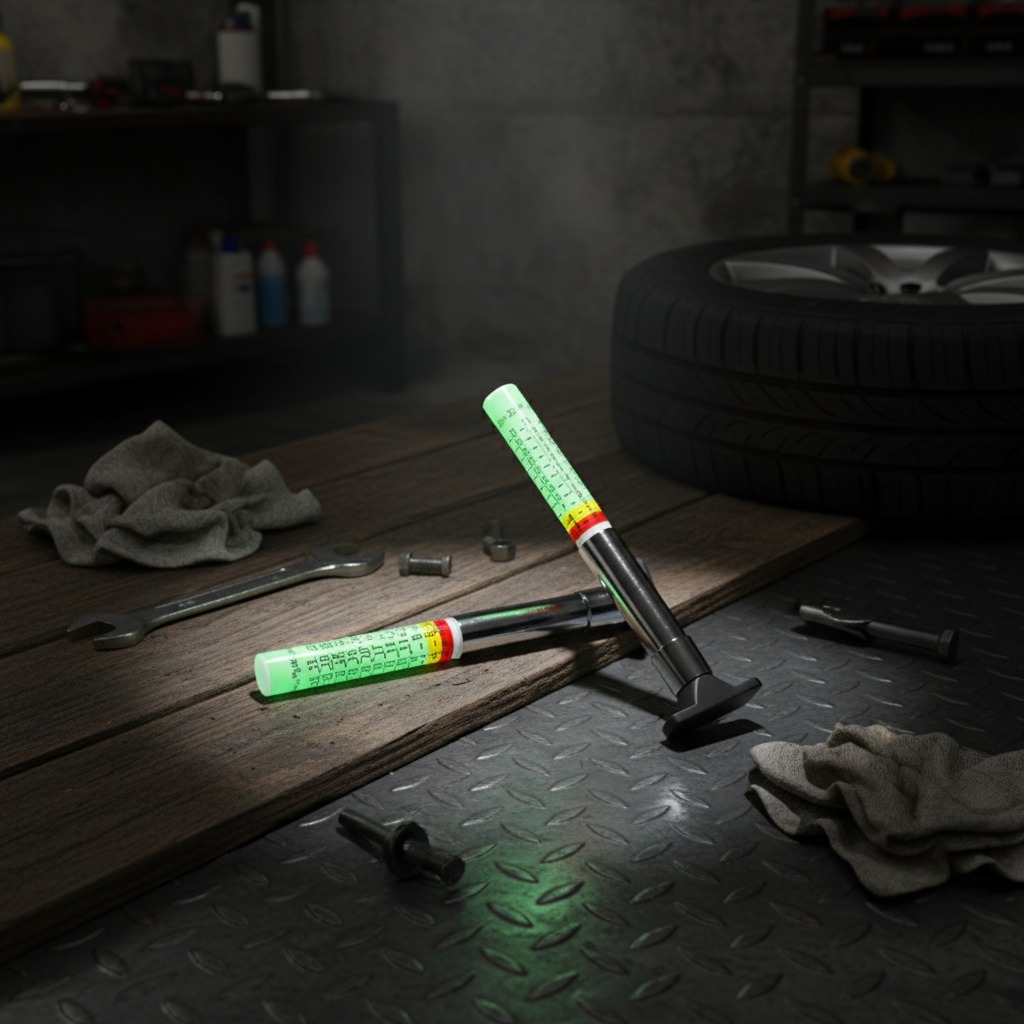
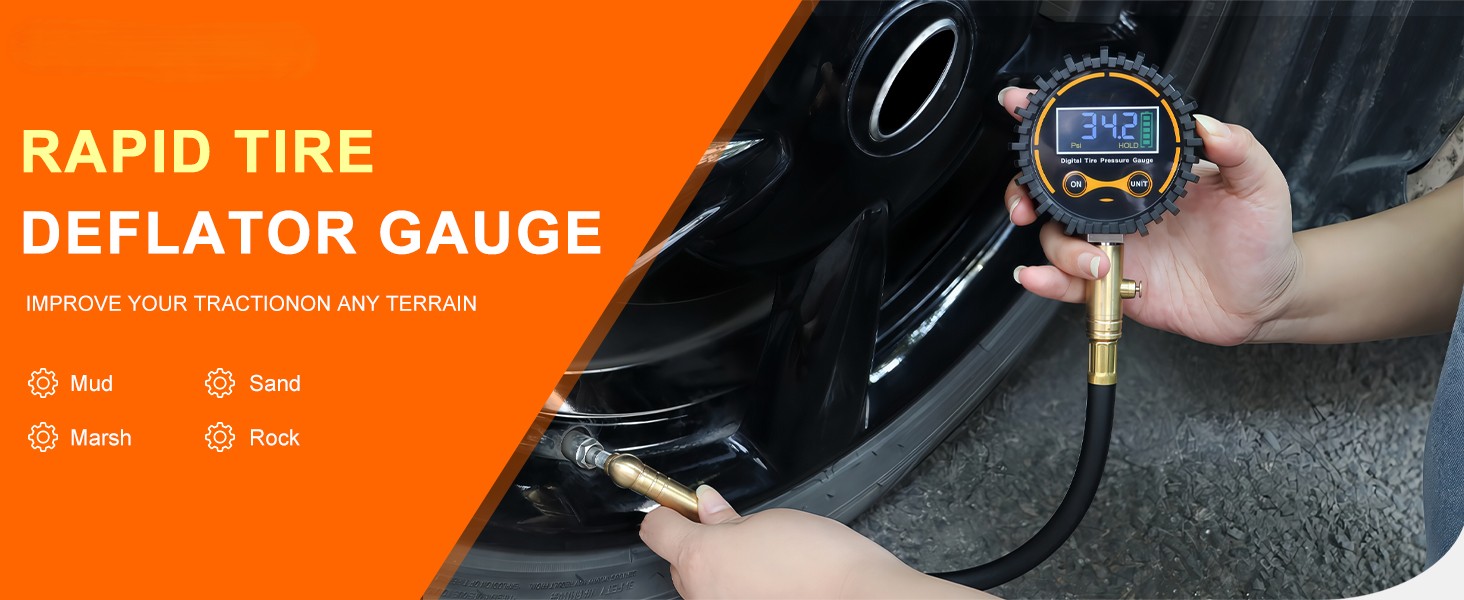
A reliable, accurate tire gauge is non-negotiable for off-roading. Standard automotive gauges often aren’t precise enough for the lower pressures used off-road.
Look for these features:
- Accurate low-pressure readings
- Clear display (digital models offer extra precision)
- Sturdy, shock-resistant build
- Long, flexible hose for easy access to valve stems
A quality gauge helps you adjust pressure confidently on any trail.
Final Thoughts
Tire pressure is the quiet foundation of great off-roading. It impacts safety, traction, comfort, and tire life all at once. A small, quick check before and during your adventure can prevent accidents, avoid damage, and make every off-road trip smoother and more enjoyable.
Whether you’re a casual weekend explorer or a serious off-road enthusiast, mastering tire pressure will take your skills and your vehicle’s performance to the next level.