
Understanding the Importance of a Tire Pressure Gauge
A tire pressure gauge is an essential tool for any vehicle owner, ensuring that tires are inflated to the manufacturer's recommended levels. This simple device measures the air pressure inside tires, helping prevent issues like uneven wear, reduced fuel efficiency, and blowouts. By regularly using a tire pressure gauge, drivers can maintain optimal safety and performance on the road. In this article, we'll explore the key aspects of tire pressure measurement and the different types of gauges available.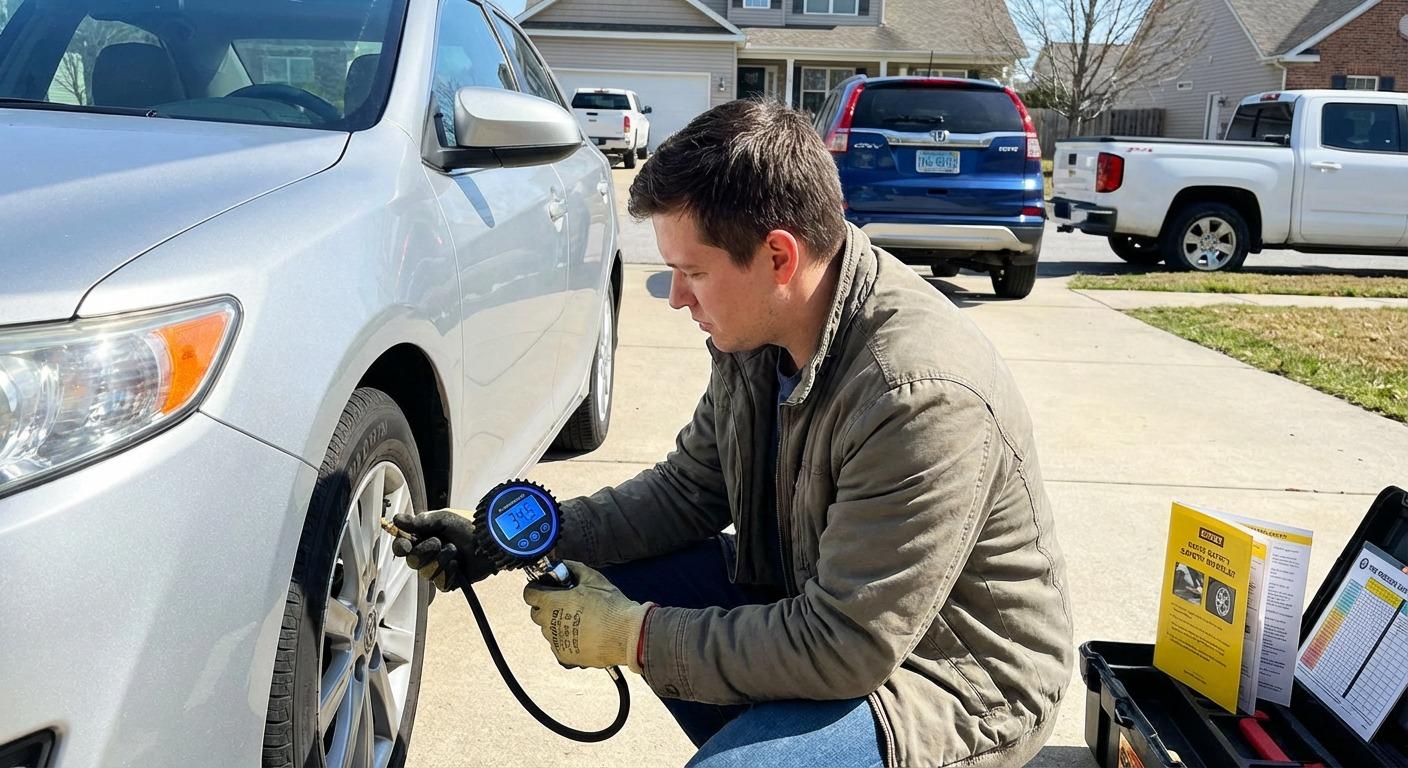
Types of Tire Pressure Gauges: Digital vs. Mechanical
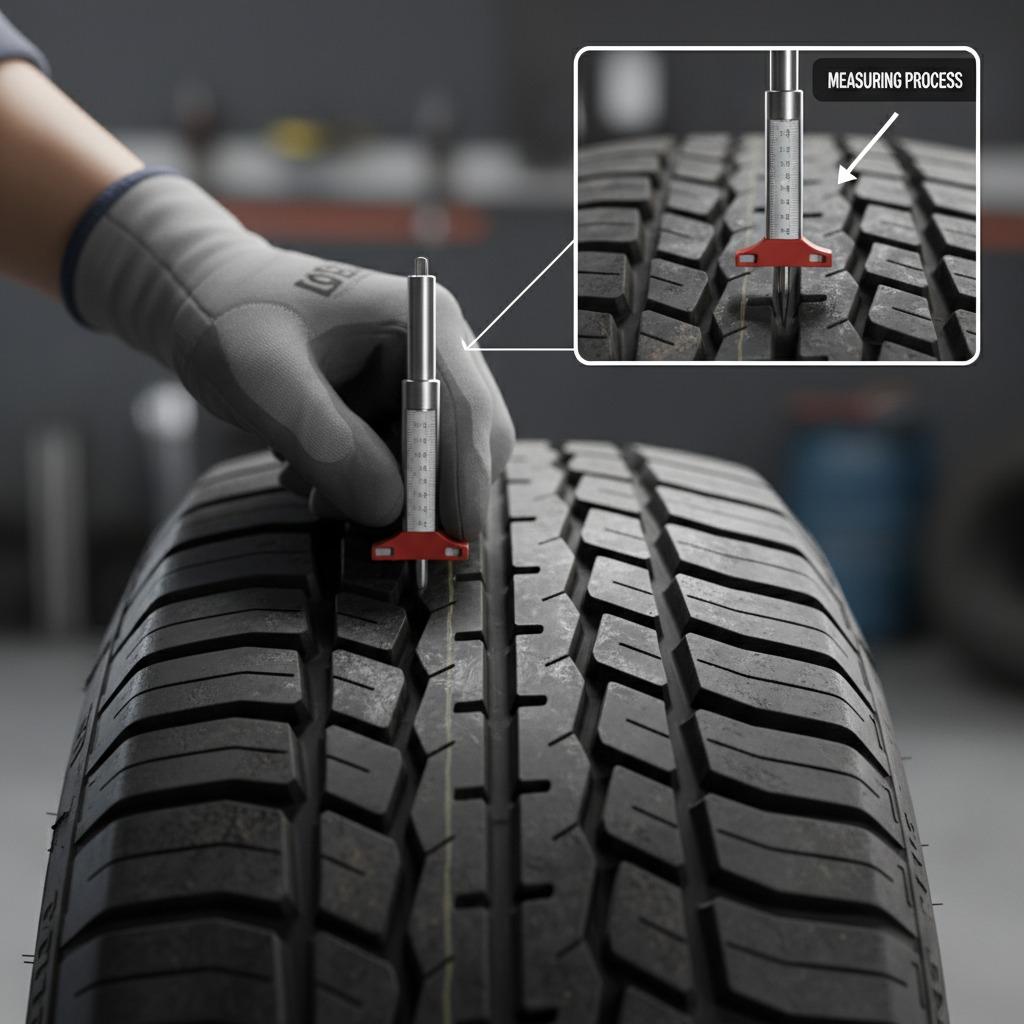
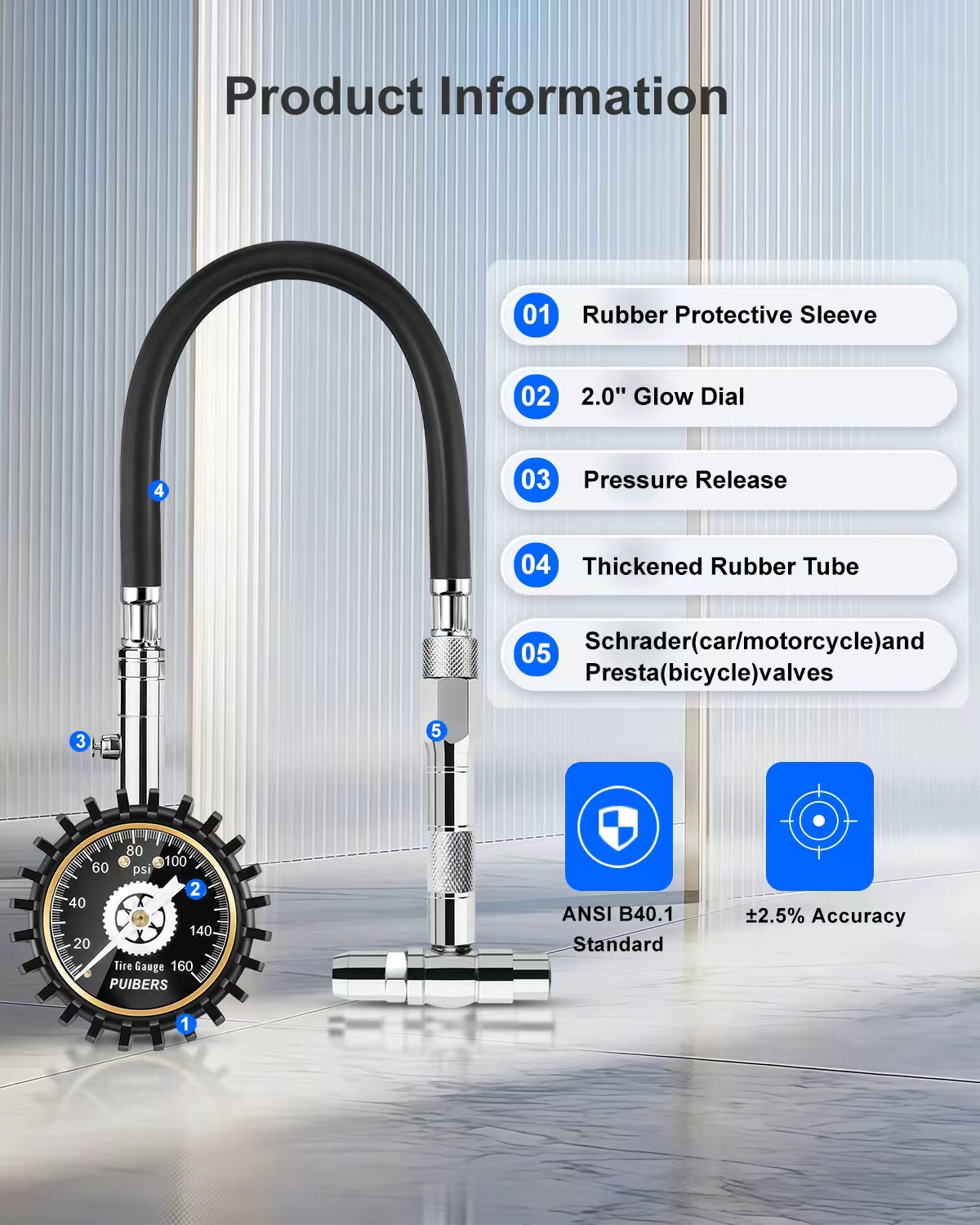
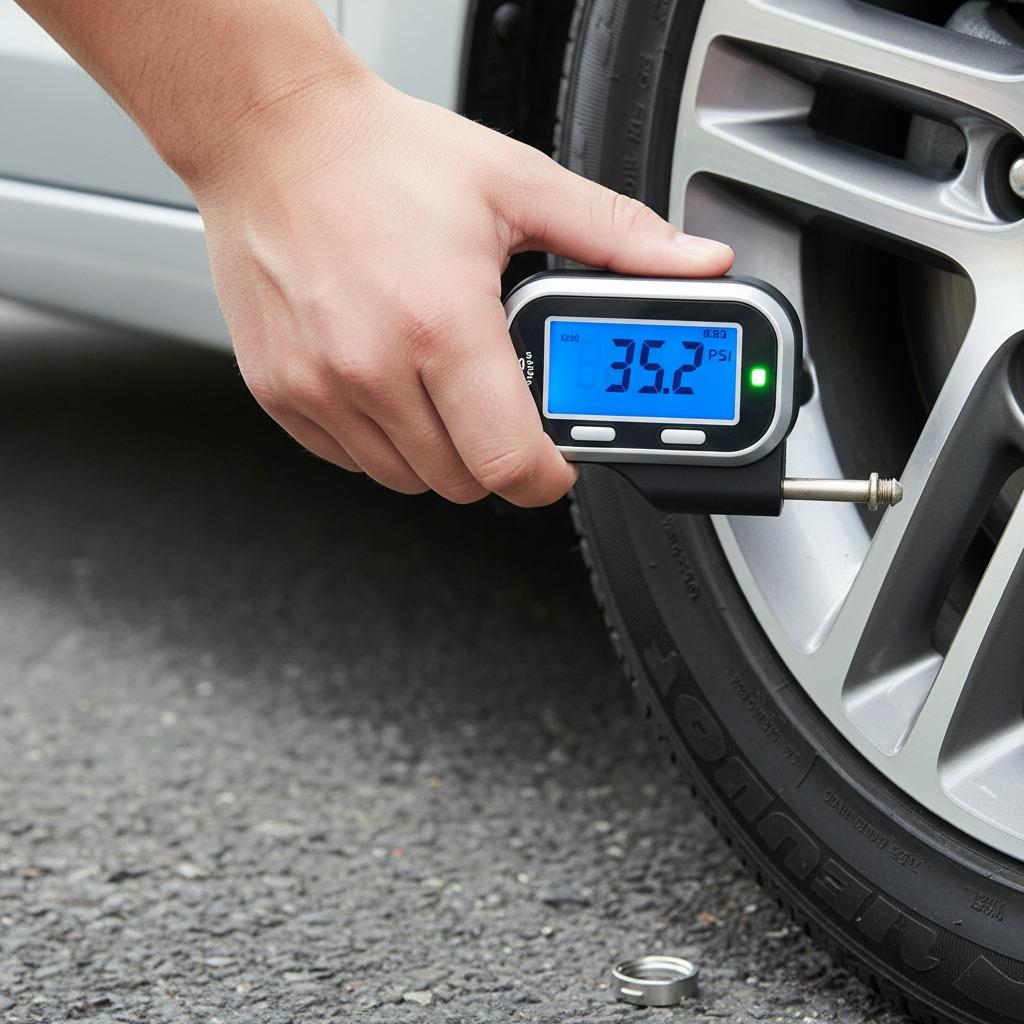
Tire pressure gauges come in two primary forms: the digital tire gauge and the mechanical tire gauge. A digital tire gauge uses electronic sensors to provide precise readings, often displayed on an LCD screen. These are popular for their ease of use and quick results, making them ideal for frequent checks. On the other hand, a mechanical tire gauge relies on a physical dial or stick that extends to show pressure levels. This type is more rugged and doesn't require batteries, appealing to those who prefer straightforward, no-frills tools. Both options play a crucial role in accurate tire pressure measurement, but choosing between them depends on your needs for portability and precision.
The Significance of Tire Gauge Accuracy
Tire gauge accuracy is paramount because even small deviations in pressure can lead to significant problems. Studies from organizations like the National Highway Traffic Safety Administration indicate that underinflated tires by just 10 psi can increase rolling resistance, reducing fuel economy by up to 3%. A high-quality tire pressure gauge ensures readings are reliable, typically within 1-2% of actual pressure. Factors affecting tire gauge accuracy include calibration, build quality, and environmental conditions like temperature, which can cause air expansion or contraction. To maintain accuracy, it's recommended to test your tire pressure gauge against a known standard periodically and store it properly away from extreme heat or moisture.
Best Practices for Tire Pressure Measurement
Effective tire pressure measurement begins with checking when tires are cold, ideally before driving or after the vehicle has been stationary for at least three hours. Remove the valve cap and press the tire pressure gauge firmly onto the valve stem, listening for a short hiss of air. For a digital tire gauge, the reading appears almost instantly, while a mechanical tire gauge may require you to press until it stops. Record the psi or bar value and compare it to the recommended pressure found on the driver's door jamb or owner's manual. If adjustments are needed, use a reliable air compressor. Remember, overinflation is as harmful as underinflation, potentially leading to reduced traction. Incorporating tire pressure measurement into your monthly routine can extend tire life by 20-30%, according to tire industry experts.
Advanced Features in Modern Tire Pressure Gauges
Today's tire pressure gauges offer more than basic functionality. Many digital tire gauges include backlighting for low-light use, memory functions to store previous readings, and even Bluetooth connectivity for app integration. This allows users to track pressure trends over time, which is particularly useful for fleet managers or long-haul drivers. Mechanical tire gauges, while simpler, often feature glow-in-the-dark dials or ergonomic designs for better grip. When evaluating options, consider the range of measurement—most cover 0-60 psi for passenger cars, but higher ranges are available for trucks and SUVs. Investing in a gauge with proven tire gauge accuracy can save money in the long run by preventing costly tire damage.
Common Myths and Facts About Tire Pressure Gauges
One common myth is that visual inspection suffices for tire pressure checks, but appearances can deceive; a tire might look fine yet be dangerously underinflated. Fact: Using a dedicated tire pressure gauge provides objective data. Another misconception involves the belief that all gauges are equally accurate, but cheap models can be off by several psi. It's wise to opt for brands certified by standards like those from the American Society for Testing and Materials. Additionally, some drivers think cold weather automatically requires adjustments, but proper tire pressure measurement accounts for this—pressure drops about 1 psi for every 10-degree Fahrenheit decrease. Debunking these myths reinforces the value of a reliable tire pressure gauge in everyday maintenance.
Maintaining Your Tire Pressure Gauge for Longevity
To ensure your tire pressure gauge remains a dependable tool, regular care is essential. For digital models, replace batteries as needed and avoid exposing them to water unless they're rated IP67 waterproof. Mechanical tire gauges benefit from occasional lubrication of moving parts and cleaning of the valve contact area. Store both types in a protective case to prevent damage. If you notice inconsistent readings, recalibrate or replace the device. By treating your tire gauge with care, you'll sustain its tire gauge accuracy over years of use, contributing to safer and more efficient driving.
Why Every Driver Needs a Tire Pressure Gauge
In summary, a tire pressure gauge is more than a gadget—it's a safeguard for your vehicle's health and your safety. Whether you choose a digital tire gauge for tech-savvy precision or a mechanical tire gauge for durability, prioritizing tire pressure measurement keeps you in control. With attention to tire gauge accuracy and consistent checks, you'll enjoy better handling, lower fuel costs, and longer-lasting tires. Make it a habit to integrate this tool into your routine, and you'll notice the difference on every drive. (Word count: 912)