
Ensuring your vehicle's safety and optimal performance begins where the rubber meets the road: your tires. While many drivers check air pressure, a far more critical safety metric is often overlooked—tire tread depth. A simple, inexpensive device known as a tire tread depth gauge is the essential instrument for this task. Regularly measuring tire tread depth not only keeps you compliant with legal road safety standards but also provides crucial insight into your vehicle's handling, braking efficiency, and the overall health of your tires.
What Exactly is a Tire Tread Depth Tool?
A tire tread depth tool is a specialized measuring instrument designed to precisely determine the remaining depth of the grooves in your tire's tread. These grooves are engineered to channel water, slush, and snow away from the contact patch of the tire, maintaining grip on the road surface. As the tire wears down, the depth of these grooves decreases, which significantly reduces its ability to perform this function, leading to an increased risk of hydroplaning and longer braking distances. This simple tool allows any car owner to get an accurate reading in seconds, removing guesswork and helping to make informed decisions about tire maintenance and replacement.
Digital vs. Analog: Choosing Your Gauge
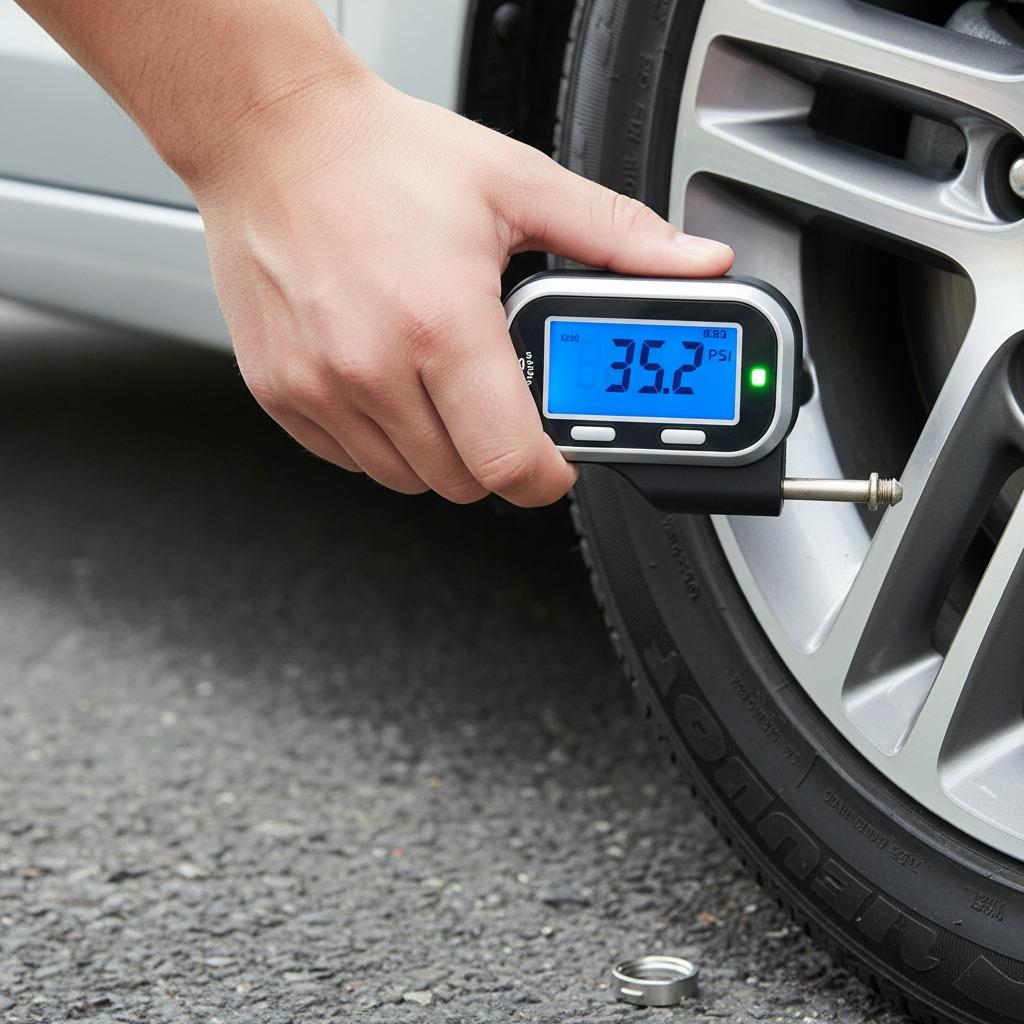
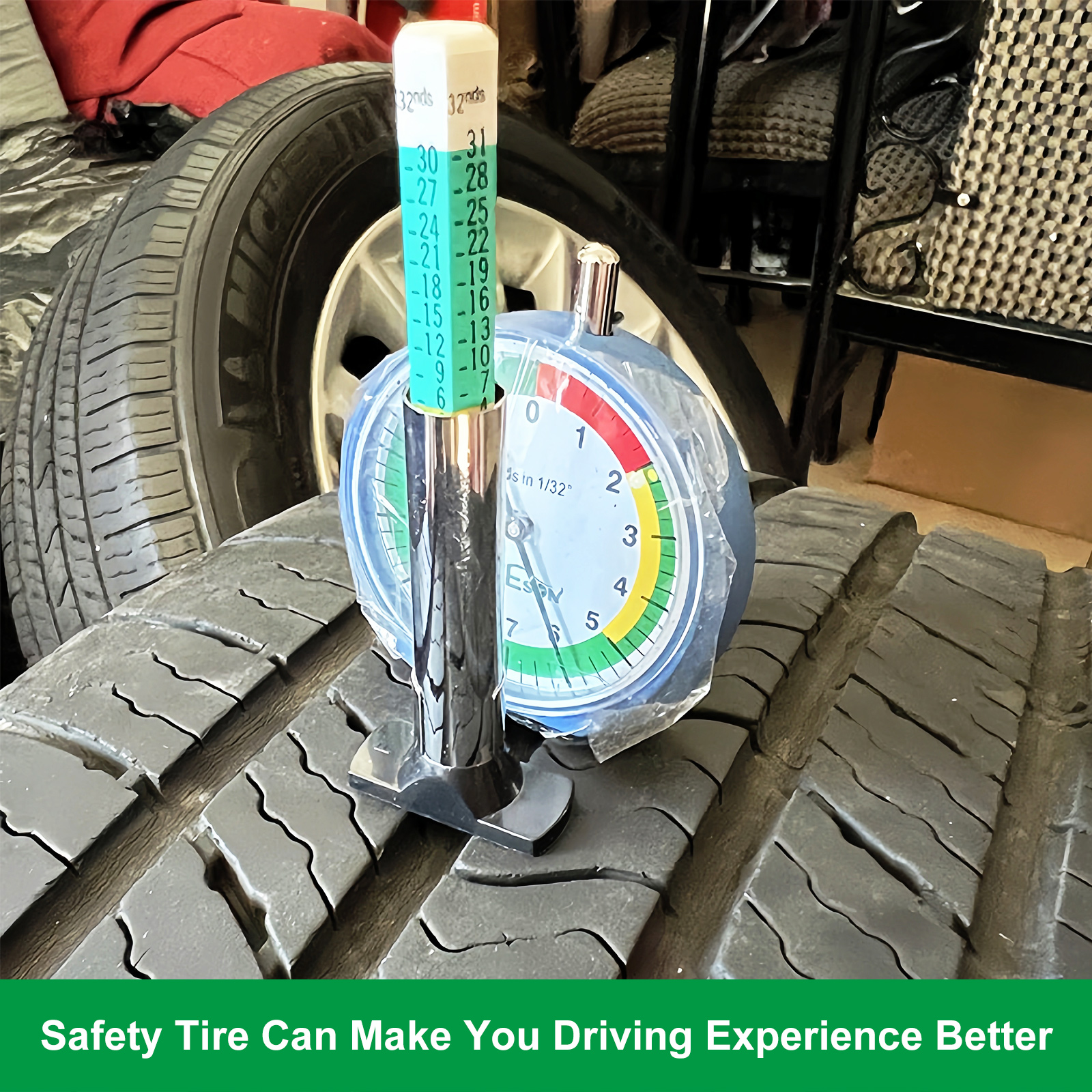
When you look for a gauge, you will find two primary types: the analog tire tread depth gauge and the digital tire tread depth gauge. The analog version is a classic, often designed like a small probe in a cylindrical or pen-shaped housing. It works on a simple mechanical principle, is highly reliable, and never requires batteries. However, reading its small, marked scale can sometimes be challenging for those with poor eyesight. On the other hand, the digital tire tread depth gauge offers a modern approach. It features a large LCD screen that displays the measurement in a clear, easy-to-read numerical format. Many digital models also allow you to switch between millimeters and inches, and some have a zeroing function for absolute accuracy. While they depend on batteries, their precision and ease of use make them a popular choice for both professionals and home mechanics.
A Step-by-Step Guide: How to Use a Tire Tread Depth Gauge
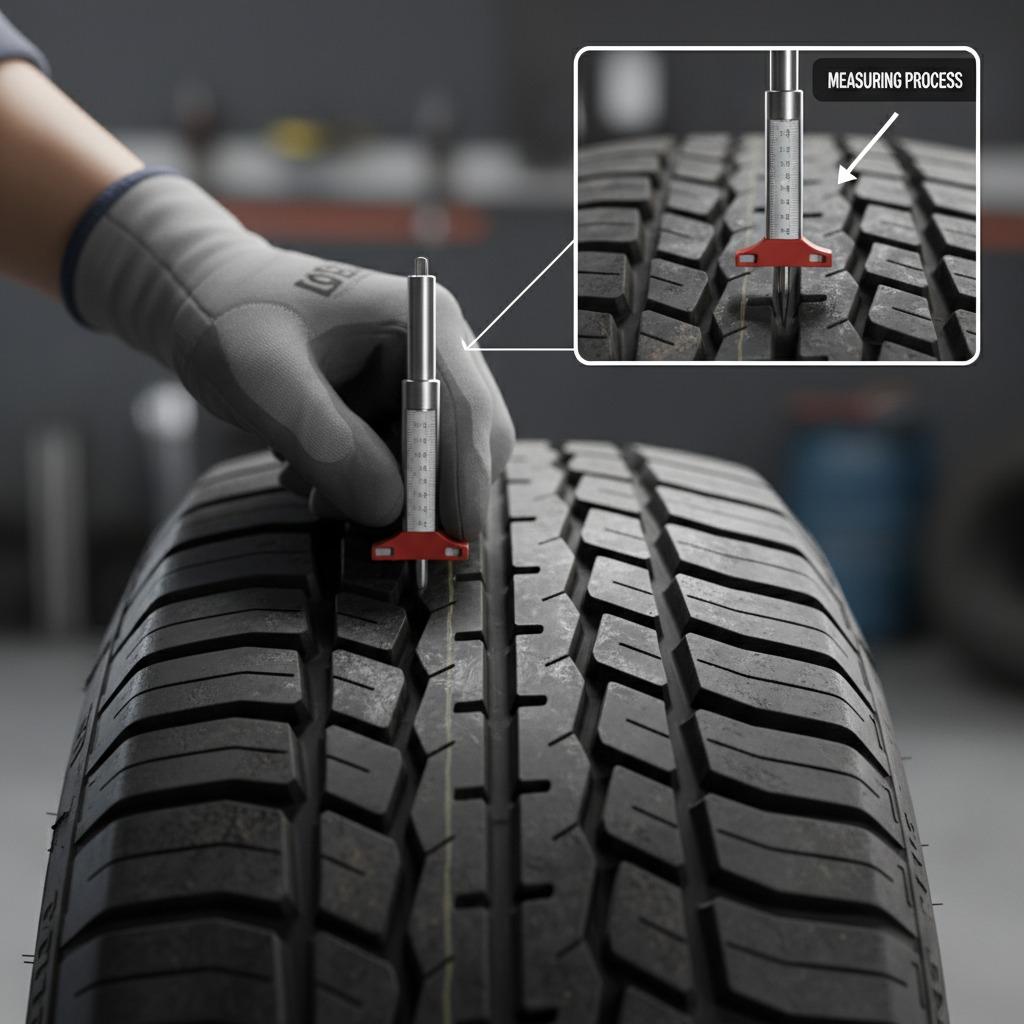
Using this tool is straightforward, but following the correct procedure ensures you get an accurate picture of your tire's condition. First, park your vehicle on a level surface. For a digital gauge, turn it on and ensure it is zeroed out on a flat surface. For both types, identify the main circumferential grooves of the tire—these are the deep channels that run around the tire's circumference. Avoid the smaller tread wear indicator bars that are molded into the tread. Extend the pin of the gauge and place its tip into the bottom of a groove. Gently push the base of the gauge downward until it rests flush against the surrounding tread blocks. Now, you can read the measurement. The key to a thorough check is consistency. You should perform this measurement on at least three different spots around each tire: in the inner groove, the center groove, and the outer groove. This process helps you identify not just overall wear but also uneven wear patterns that could indicate alignment or inflation problems.
Interpreting the Numbers: What Your Tread Depth Means
Once you have your readings, you need to understand what they signify. Tire tread depth is typically measured in 32nds of an inch. A brand new passenger tire usually starts with a tread depth of 10/32" or 11/32". A reading of 6/32" or more is considered good, with plenty of life left. When your tread depth reaches 4/32", it's time to start thinking about replacement; your tire's performance in wet conditions is noticeably diminished at this point. The critical number is 2/32". This is the legal minimum tread depth in most states and is considered completely worn out and unsafe. At this depth, a tire's ability to resist hydroplaning is severely compromised. Taking regular measurements allows you to track the wear rate and plan for new tires before you reach this dangerous and illegal limit.
Finding the Best Tire Tread Depth Gauge for You
Choosing the best tire tread depth gauge depends on your personal preferences and needs. If you value simplicity and never want to worry about dead batteries, a quality analog gauge is an excellent and affordable option. If you prefer precision, a large and clear display, and the ability to easily switch units, a digital model is likely the better choice. When making a decision, consider the build quality—metal housings tend to be more durable than plastic ones. Look for a gauge with a clear and stable probe that doesn’t wobble. Ultimately, the most important factor is that you have one and use it regularly. Both types are effective at measuring tire tread depth and will empower you to take control of your vehicle's safety.
The Importance of Regular Tire Health Checks
Integrating a tread depth check into your monthly vehicle maintenance routine is one of the smartest things a driver can do. It goes beyond just safety. By catching uneven wear early, you can identify and correct issues like improper wheel alignment or underinflation, which will extend the life of your tires and even improve your vehicle's fuel economy. Consistent monitoring ensures you are always driving on safe, legal tires, giving you peace of mind on every journey. This small investment in a tire tread depth gauge pays for itself many times over in enhanced safety, improved performance, and long-term cost savings. It is an indispensable part of any responsible car owner's toolkit.