
Global New Energy Vehicle Development 2025: Trends, Regional Shifts, and Future Outlook
Introduction: The NEV Revolution Accelerates
The global automotive industry is undergoing an unprecedented transformation, with new energy vehicles (NEVs) leading the charge toward sustainability. 2025 marks a milestone year for the sector, as record-breaking sales, technological breakthroughs, and shifting regional dynamics redefine the future of mobility. From China’s unrivaled dominance to Europe’s policy-driven surge and emerging markets’ rapid growth, the NEV landscape is more dynamic than ever—while challenges like infrastructure gaps and regulatory uncertainties persist. Let’s dive into the data, trends, and innovations shaping this global revolution.
1. Global Sales: Record Growth with Regional Divergence
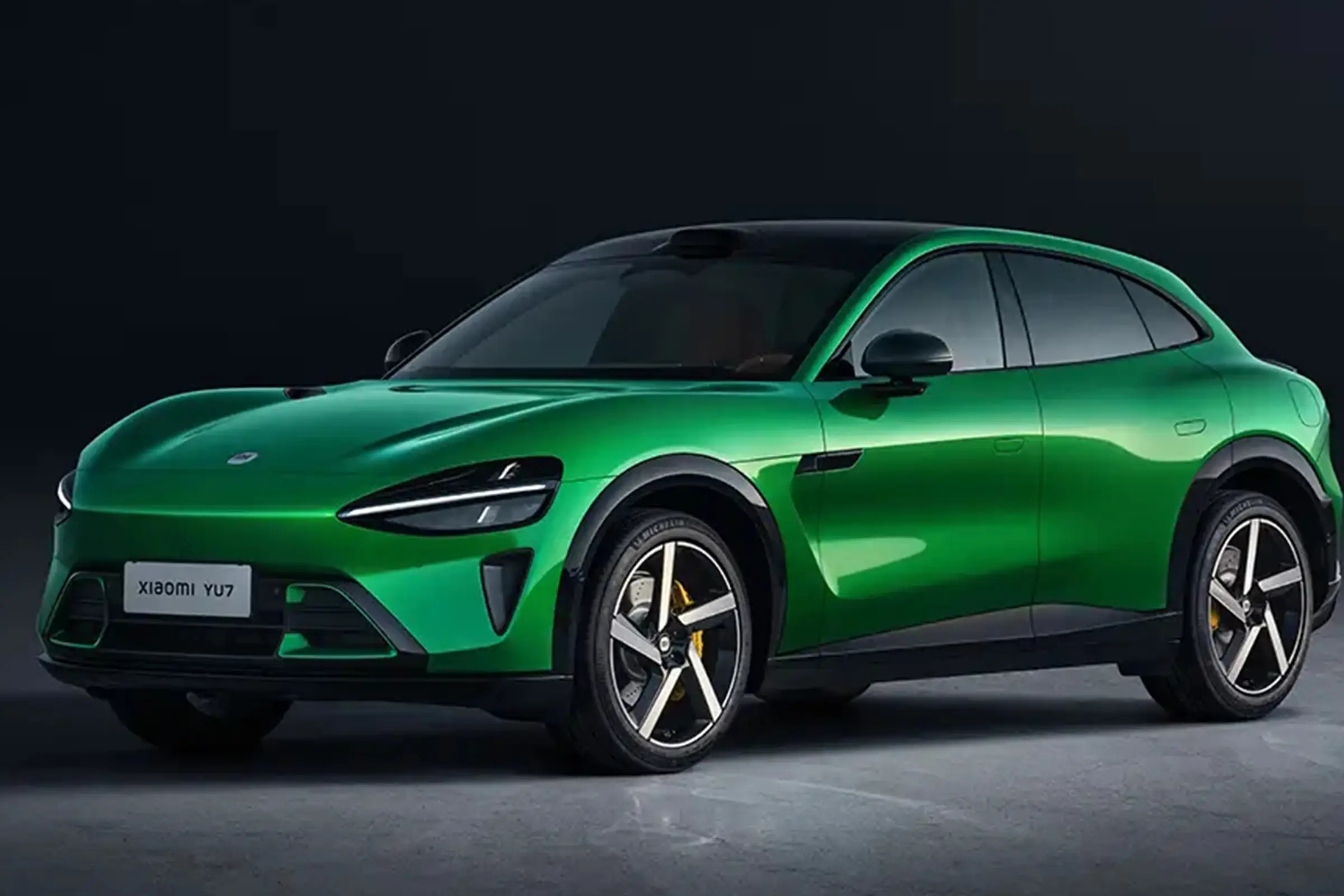
2025 has solidified NEVs as a mainstream choice for consumers worldwide, with sales hitting 20.7 million units—a 20% year-over-year increase. This milestone means NEVs now account for over a quarter of all new car sales globally, up from just 5% a decade ago. However, growth is far from uniform across regions:
Suggested image: Bar chart comparing 2025 NEV sales (China: 12.9M, Europe: 4.3M, North America: ~1.6M, Rest of World: 1.7M) with 2024 growth rates.
Key Regional Highlights:
• China: The undisputed leader, with 12.9 million NEV sales (17% YoY growth) accounting for nearly 63% of the global market. Chinese NEVs are now cheaper on average than comparable gasoline cars, and domestic manufacturers dominate both local and emerging markets.
• Europe: The "growth 黑马 (dark horse)" with a 33% YoY surge to 4.3 million units. Strong policy support—including generous subsidies and upcoming emission regulations—drove Germany (48% growth) and the UK (27% growth) to lead the charge.
• North America: A rare bright spot of decline, with sales dropping 4% YoY (excluding Mexico’s 29% growth fueled by affordable Chinese imports)[superscript:1superscript:4)]. Policy rollbacks—such as reduced federal tax credits and weakened fuel-economy standards—have dampened adoption, leading BloombergNEF to revise its long-term outlook downward.
• Emerging Markets: Explosive growth across Southeast Asia (nearly doubling), South/Central America (49% growth), and South Korea (50% growth)[superscript:1)]. Chinese automakers are the primary drivers here, leveraging cost competitiveness to penetrate markets like Thailand and Brazil.
• Japan: An outlier, with NEV penetration stuck at 3% due to persistent consumer preference for hybrid vehicles.
2. Technology Innovations: Batteries, Affordability, and Sustainability
The NEV boom is fueled by critical technological advancements, particularly in battery technology and cost reduction:
Suggested image: Line graph showing lithium-ion battery cost decline (from 80/kWh in 2025) alongside NEV sales growth.
Game-Changing Developments:
• Battery Affordability: Plummeting lithium-ion battery costs have made NEVs accessible to middle-class consumers globally. This trend, paired with scaled production of budget models, has been a key driver of emerging market growth.
• Sustainable Impact: NEV expansion is accelerating urban green development by reducing carbon emissions, reshaping energy consumption, and optimizing industrial structures. Chinese cities, for example, have seen significant environmental improvements linked to NEV adoption, supported by subsidy policies.
• Manufacturing Dominance: China produces 69% of all global NEVs, with companies like BYD and SAIC leading in both domestic and export markets. Their ability to scale production and adapt to local demand has solidified China’s position as the industry’s manufacturing hub.
3. Infrastructure and Policy: Enablers and Barriers
While sales soar, infrastructure and policy remain critical factors in NEV adoption:
Suggested image: World map highlighting charging infrastructure density (Europe > China > North America > Emerging Markets).
Policy Drivers:
• Europe: Strict emission targets (e.g., EU’s 2035 ICE vehicle ban) and renewed consumer subsidies have created a favorable environment. France, for instance, reversed early-year stagnation with mid-year subsidy 重启 (restart)[superscript:1)].
• China: A mix of purchase subsidies, charging infrastructure investments, and industrial policies has nurtured a self-sustaining NEV ecosystem. Cities with strong NEV policies have seen faster green development progress.
• Challenges: North America’s policy uncertainty and insufficient charging infrastructure (especially in rural areas) hinder growth. Meanwhile, rising electricity costs in some markets threaten the long-term affordability of EV ownership.

4. Future Outlook: Toward 2030 and Beyond
The NEV revolution shows no signs of slowing, but the path forward will be shaped by policy consistency, technological innovation, and global collaboration:
• Sales Projections: The IEA forecasts NEVs will account for 40% of global new car sales by 2030 if climate commitments are met. BloombergNEF expects 22 million sales in 2025 alone, with China’s annual NEV sales soon surpassing total U.S. new vehicle sales of any type.
• Key Priorities: Expanding charging infrastructure, reducing battery production’s environmental footprint, and ensuring equitable access in emerging markets will be critical. For North America, policy stability could reverse current declines and unlock untapped potential.
• Sustainability Focus: As NEV markets mature, the industry will shift from "electrification" to "full sustainability"—prioritizing recycled battery materials, renewable energy-powered charging, and circular economy practices.
Conclusion: A New Era of Mobility
2025 is a defining year for global NEV development—marking the transition from niche to mainstream, with regional strengths and challenges shaping the landscape. China’s dominance, Europe’s policy-driven growth, and emerging markets’ rapid adoption are redefining the automotive industry, while technology and sustainability remain at the core of progress. As we look toward 2030, the success of the NEV revolution will depend on how well governments, manufacturers, and consumers collaborate to overcome infrastructure gaps, policy uncertainties, and affordability barriers. One thing is clear: the future of mobility is electric—and it’s arriving faster than ever.
Data sources: IEA, BloombergNEF, Rho Motion, Frontiers in Sustainable Cities