
How to Choose the Best Precision Torque Wrench for DIY Safety
H1: How to Choose the Best Precision Torque Wrench for DIY Safety
Introduction In mechanical repair, "hand-tight" is rarely accurate enough. Whether you are performing bicycle maintenance or complex DIY projects, over-tightening can strip threads, while under-tightening leads to structural instability. A certified precision torque wrench is the essential tool for ensuring every fastener is tightened to exact specifications.
H2: 1. Technical Accuracy and Certification
1.1 The Importance of ±3% Accuracy
For sensitive components like carbon fiber frames or engine parts, high precision is non-negotiable.
Professional-grade wrenches (like the ATsafepro set) include an individual calibration certificate to guarantee performance standards.

1.2 Mechanical Feedback (The "Click")
A prefabricated mechanical wrench uses a spring-loaded internal trigger.
Once the set torque is reached, the tool provides a tactile and audible "click," preventing accidental over-torque.

H2: 2. Key Features for Professional Durability
2.1 Secure Locking Mechanism
To prevent the torque value from shifting during use, high-quality models feature a pull-down-to-unlock collar.
This ensures that once you set your target Nm (Newton-meters), the handle remains locked in place.

2.2 Dual-Direction Functionality
A reversible ratchet head allows for both clockwise and counter-clockwise operation.
This is vital for modern machinery that utilizes both standard and reverse-threaded bolts.

H2: 3. Versatility and Tool Maintenance
3.1 Comprehensive Bit Selection
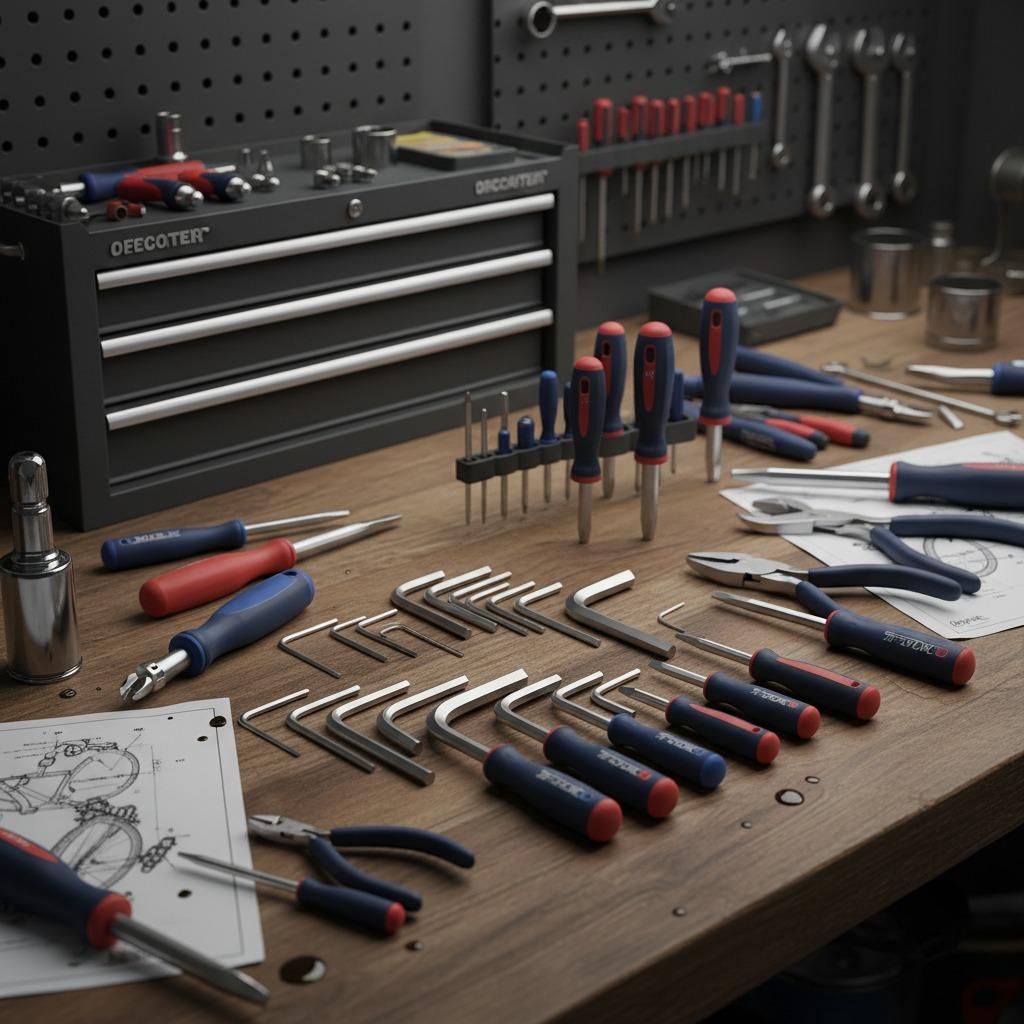
A versatile kit should include a wide range of S2 steel bits (Hex, Torx, and Phillips) and extension bars to reach deep-seated fasteners.