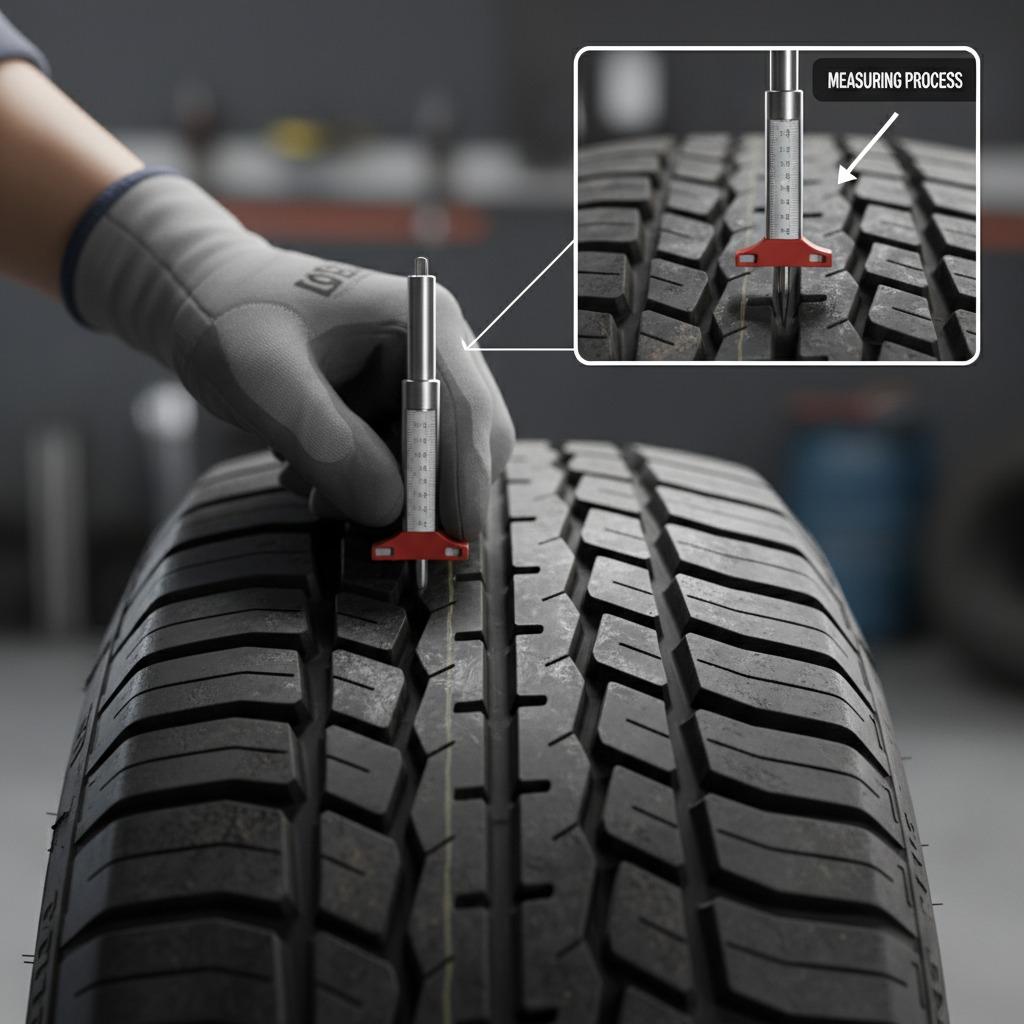

Your tires’ wear patterns are like a “health report” for your car—uneven or unusual wear isn’t just a sign to replace tires early; it often reveals hidden issues with your vehicle’s suspension, alignment, or maintenance habits. Learning to spot these patterns can save you money on repairs and keep your ride safe.
Let’s start with the most common: edge wear (worn outer or inner edges, with the center staying intact). This usually means your car needs a wheel alignment—specifically, a misaligned camber (the angle of the tire when viewed from the front). If the inner edge wears faster, the camber is “negative” (tires tilt inward); outer edge wear points to “positive” camber (tires tilt outward). Misalignment often happens after hitting potholes, curbs, or rough roads. Ignoring it shortens tire life by 30-40% and makes your car pull to one side, increasing steering effort and accident risk. A professional alignment (costing \(80-\)150) fixes this and restores even wear.
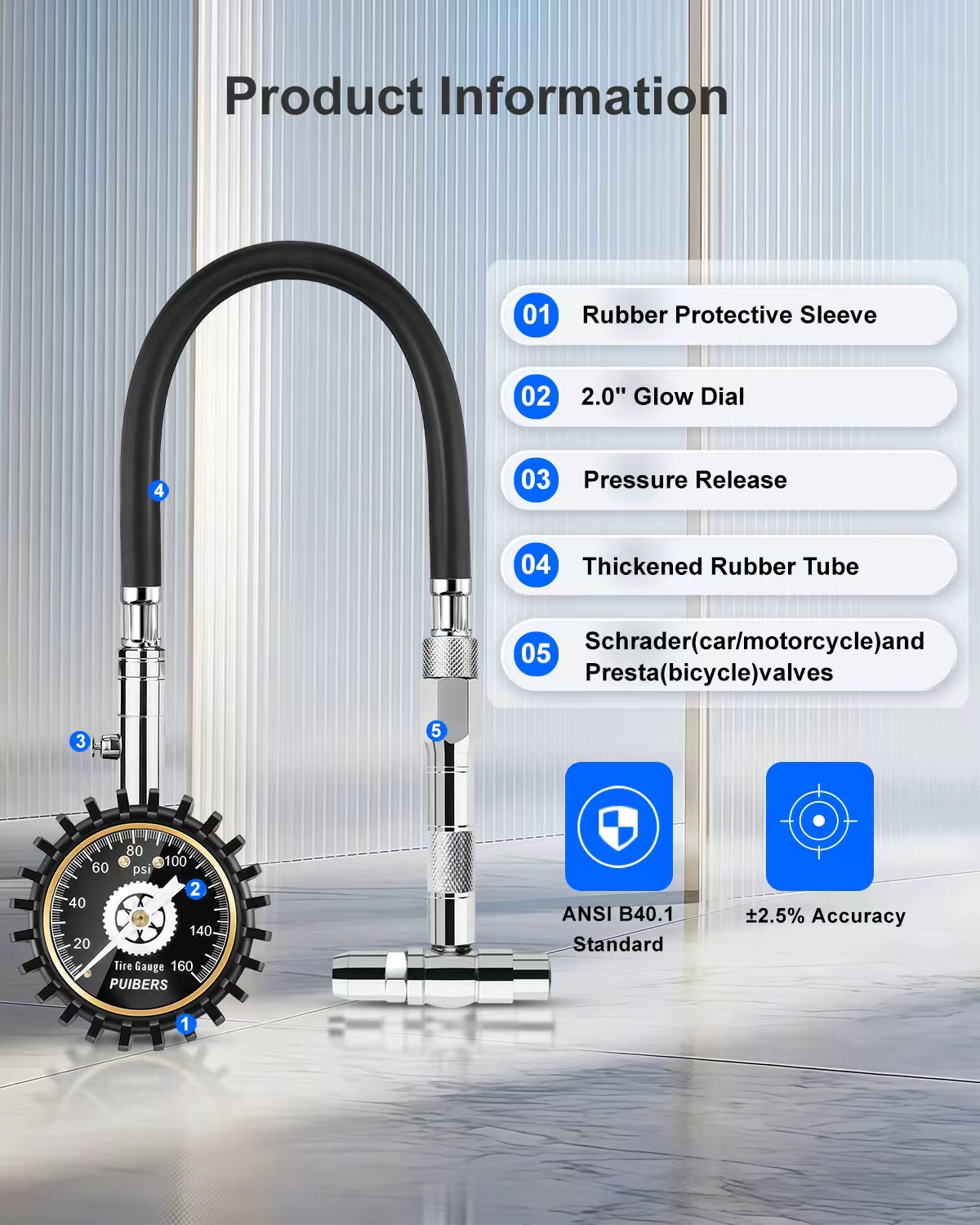
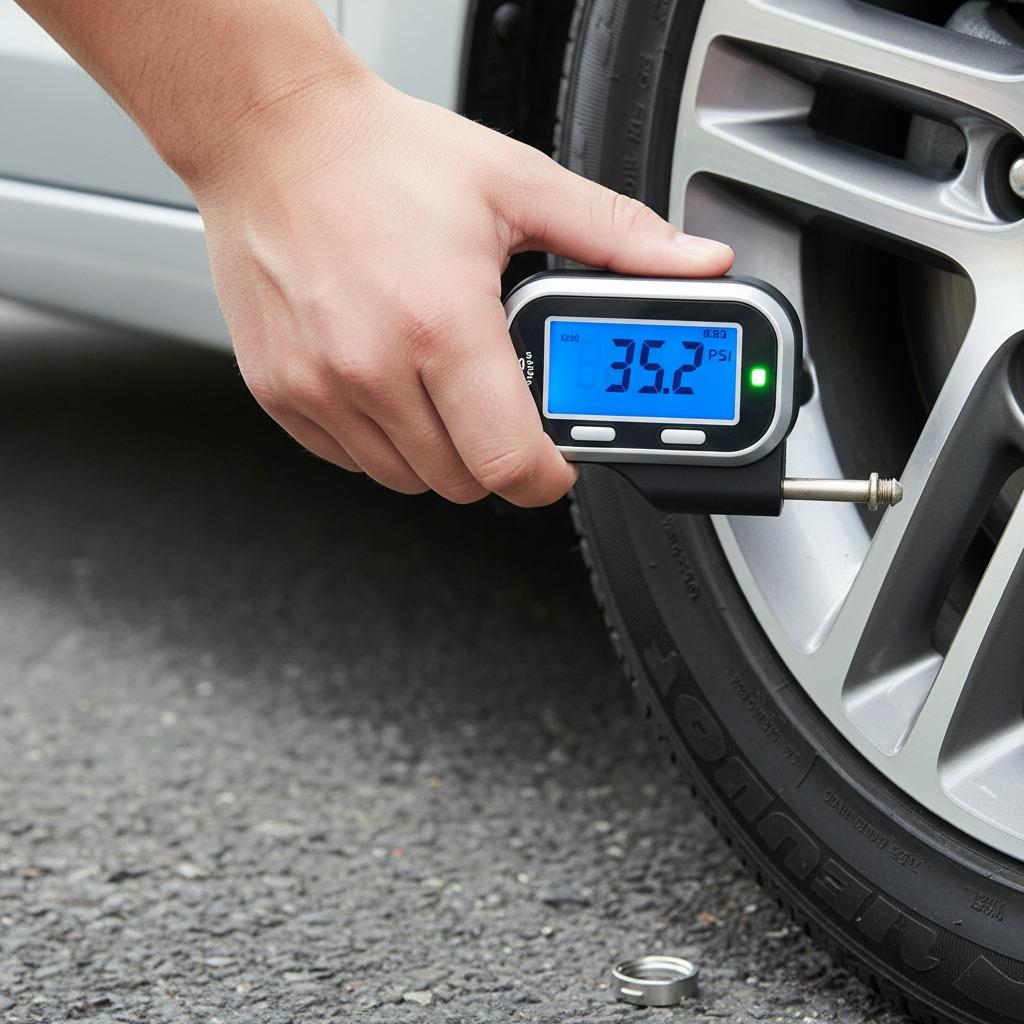
Next is center wear—the middle of the tread wears down faster than the edges. This is almost always caused by overinflation. When tires have too much air, only the center touches the road, concentrating wear there. It also makes the ride bumpy and reduces grip in wet weather. The fix is simple: deflate tires to the manufacturer’s recommended pressure (check the driver’s door jamb sticker, not the tire’s max pressure). If center wear is severe, you may need new tires—overinflation damages the rubber’s structure over time.
Spotty or uneven patch wear (random worn spots across the tread) signals unbalanced tires. When tires or wheels are out of balance, weight shifts unevenly as you drive, causing some parts of the tread to hit the road harder. You’ll also feel vibration in the steering wheel at 50-60 mph. Tire balancing (usually \(20-\)40 per tire) adds small weights to the wheel to distribute weight evenly. Do this when buying new tires or rotating them—unbalanced tires wear 2x faster and strain your suspension.
Then there’s cupping (dips or “cups” in the tread). This is a red flag for worn shock absorbers or struts. Shocks keep tires pressed firmly to the road; when they fail, tires bounce up and down, creating uneven pressure that forms cups. You’ll also notice a rough ride over bumps and longer braking distances. Replacing shocks (costing \(300-\)500 per axle) is a must—bad shocks don’t just ruin tires; they make your car harder to control in emergencies.
Check your tires every 6 months (or whenever you rotate them) for these patterns. Catching issues early fixes small problems before they turn into expensive repairs—and keeps your tires (and car) in top shape for miles to come.
Related to this production