
Understanding the Essentials of Pressure Gauges
Pressure gauges are indispensable tools in various industries, providing accurate measurements of pressure in systems ranging from hydraulic setups to gas pipelines. These devices help ensure safety, efficiency, and reliability by monitoring pressure levels in real-time. Whether you're dealing with industrial pressure gauges for heavy machinery or more precise analog pressure gauges for laboratory settings, understanding their types and applications is crucial for optimal performance.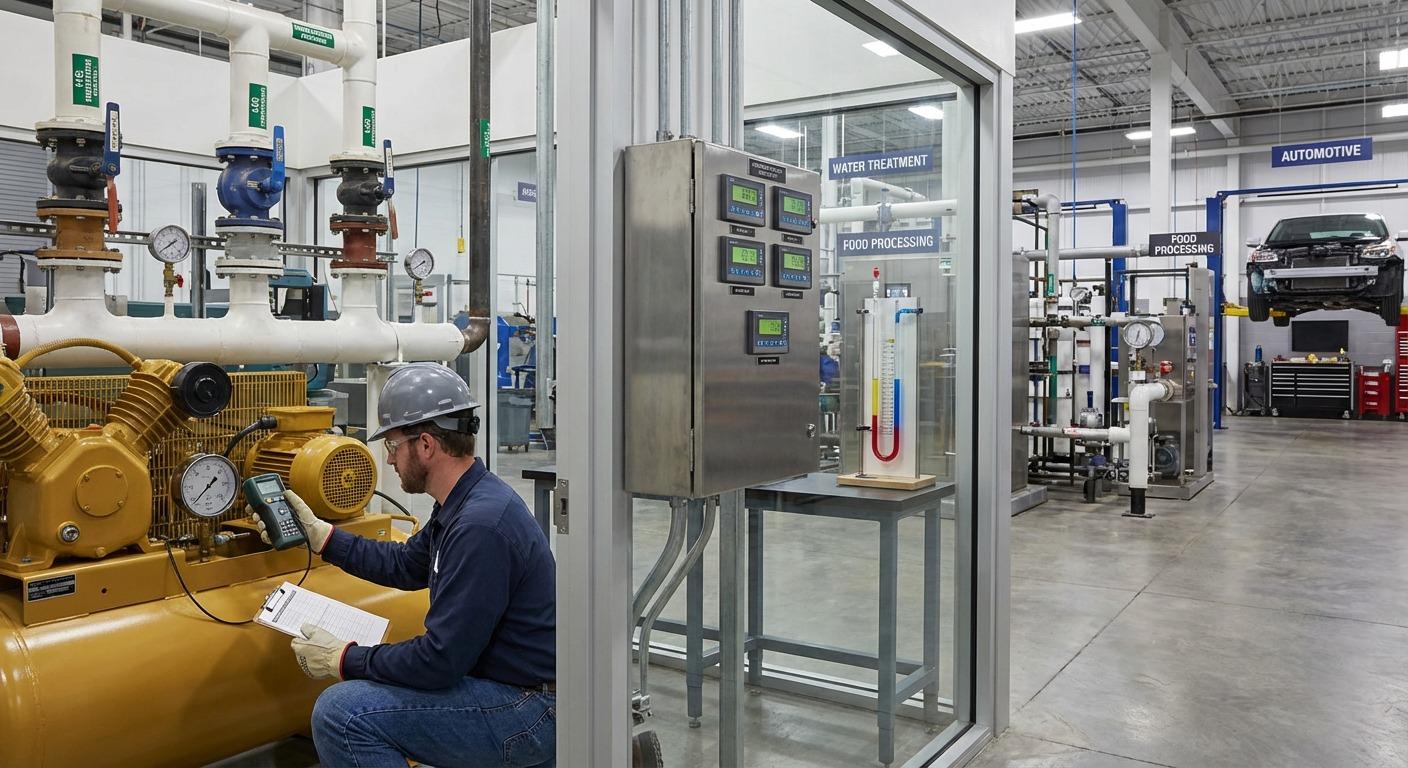
Types of Pressure Gauges: Analog vs. Digital
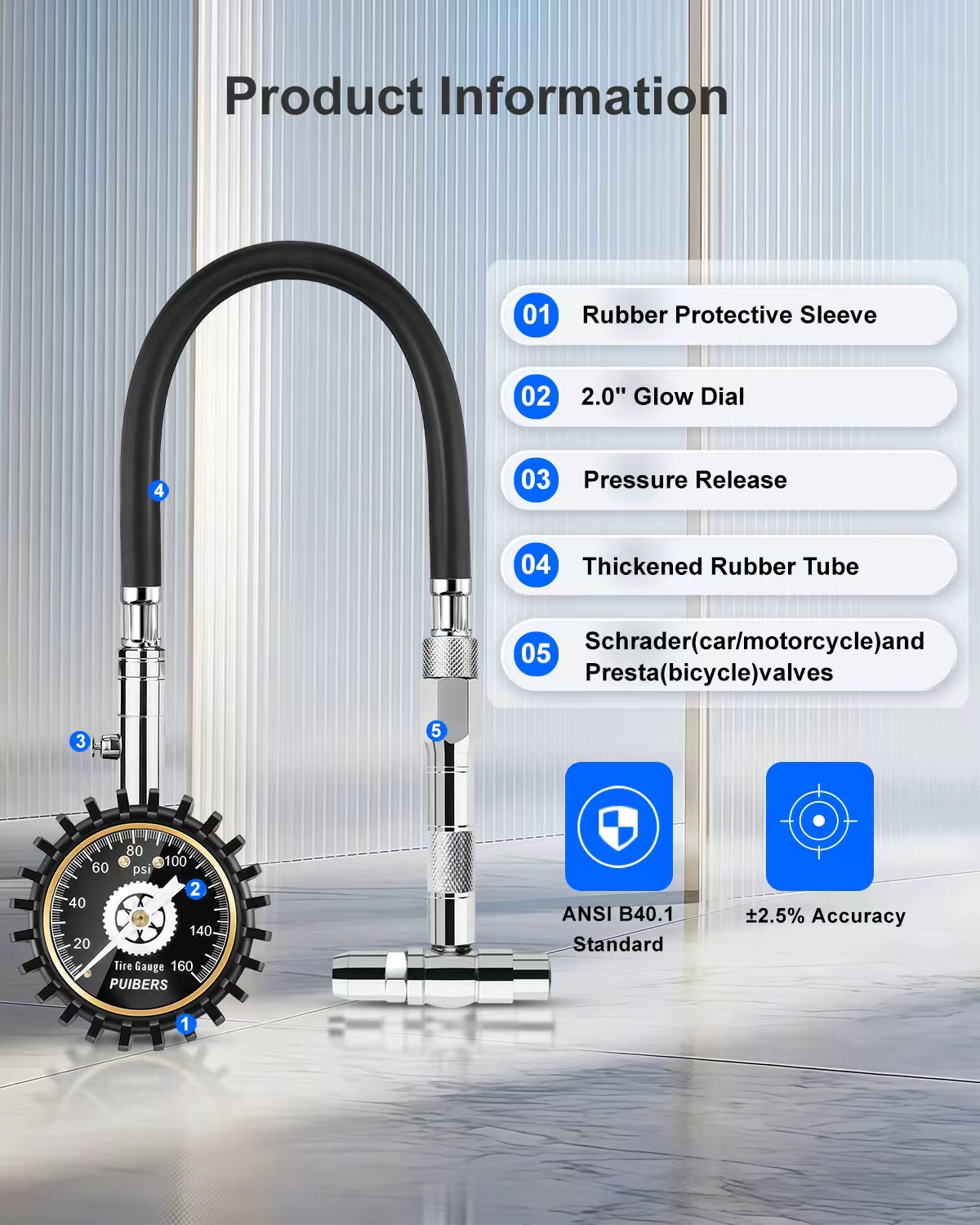
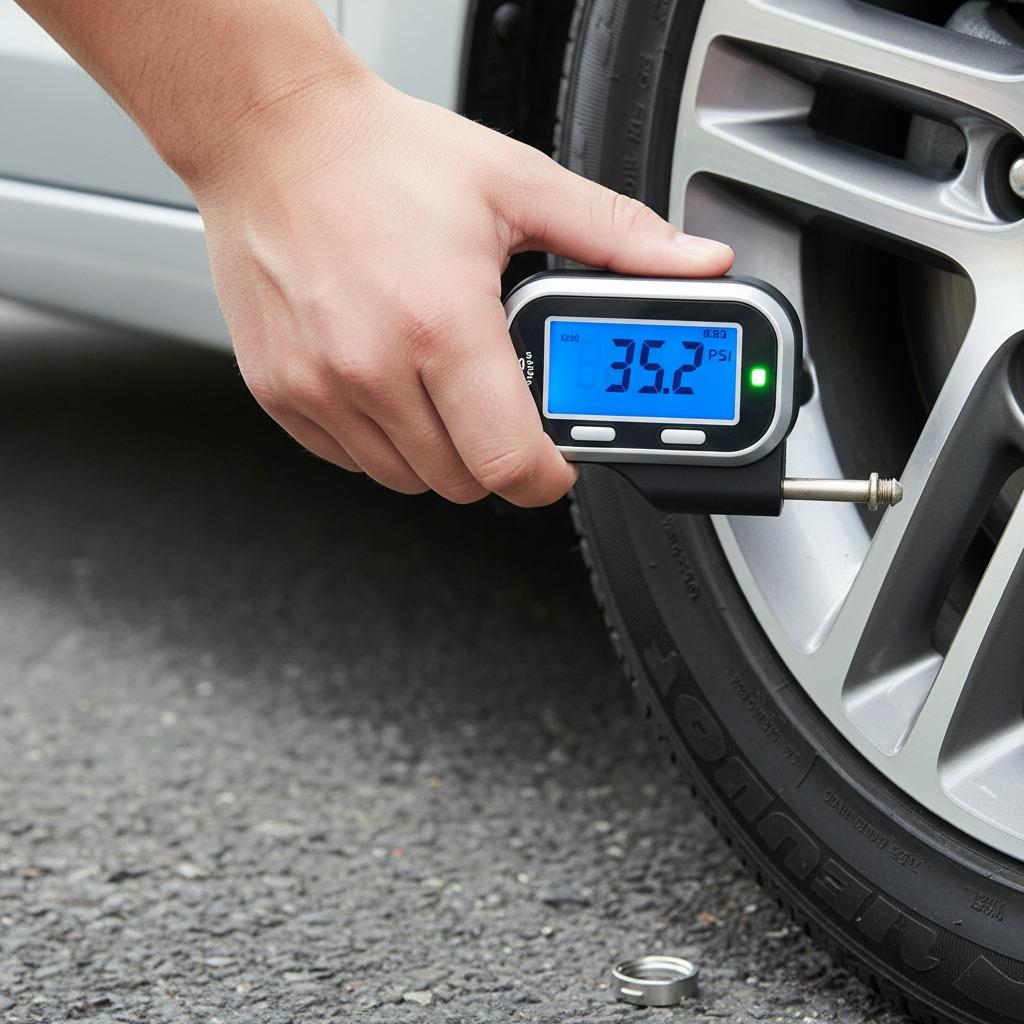
Analog pressure gauges remain a staple due to their simplicity and durability. These gauges use a mechanical dial with a needle to indicate pressure readings, making them ideal for environments where digital failures might occur, such as in harsh industrial conditions. On the other hand, digital pressure gauges offer enhanced precision with LCD displays that provide numerical readouts, often including features like data logging and alarms. The choice between analog pressure gauges and digital pressure gauges depends on factors like accuracy needs and environmental resilience.
Industrial Pressure Gauges in Manufacturing
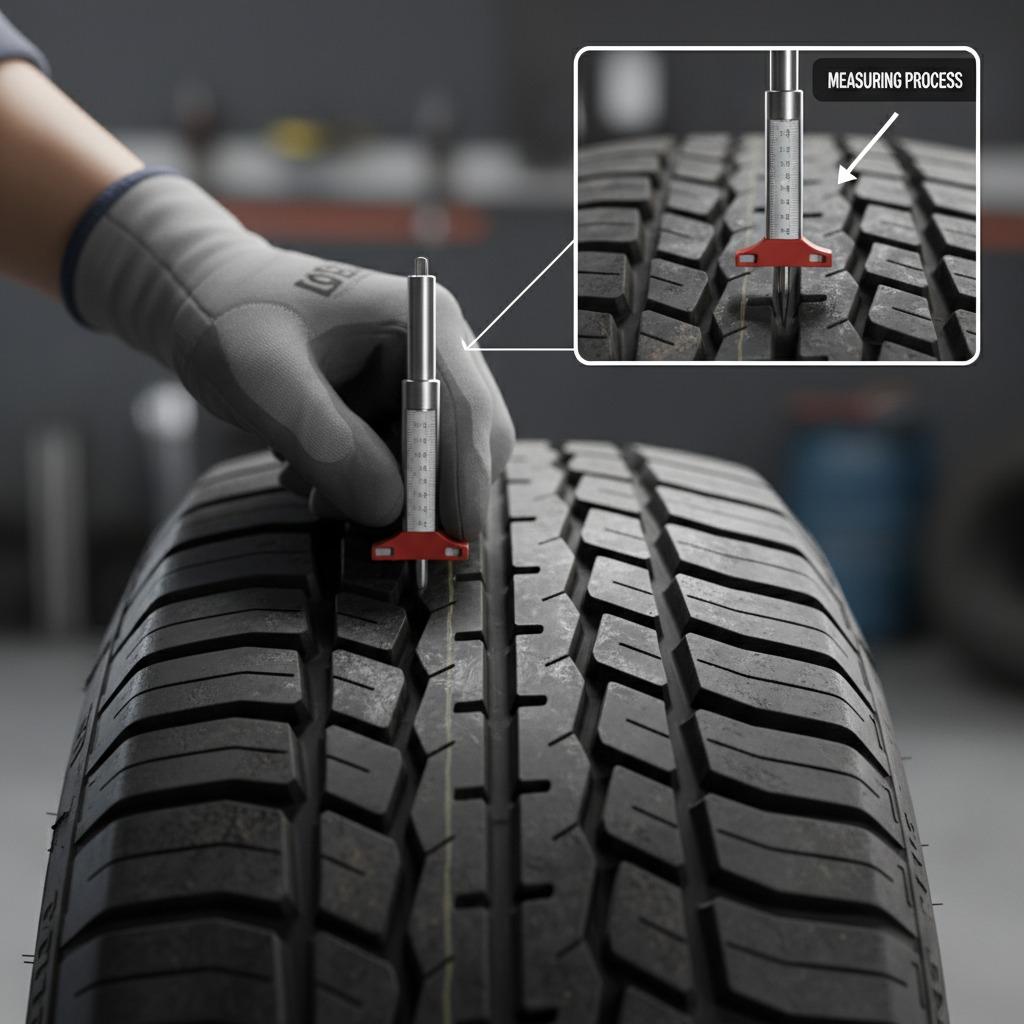
In manufacturing, industrial pressure gauges are vital for overseeing processes in compressors, pumps, and boilers. These robust instruments withstand high pressures and temperatures, ensuring that operations run smoothly without risking equipment failure. For instance, in the automotive sector, industrial pressure gauges monitor tire inflation systems and hydraulic brakes, preventing costly downtimes. Statistics from the American Society of Mechanical Engineers indicate that proper use of these gauges can reduce maintenance costs by up to 20% in industrial settings.
Manometer Pressure Gauges: Precision in Low-Pressure Applications
Manometer pressure gauges, often featuring U-tube or inclined designs, excel in measuring low pressures with high accuracy. Unlike traditional bourdon tube gauges, manometers use liquid columns to detect differential pressures, making them perfect for HVAC systems and laboratory experiments. In cleanroom environments, a manometer pressure gauge can detect minute pressure differences to maintain sterile conditions. Their non-electronic nature ensures reliability in areas with electromagnetic interference, and calibration is straightforward, often requiring just a simple fluid level check.
The Importance of Pressure Gauge Calibration
Pressure gauge calibration is a critical maintenance practice that verifies the accuracy of readings against known standards. Over time, factors like vibration, temperature fluctuations, and material fatigue can cause inaccuracies, leading to safety hazards or inefficient operations. Regular pressure gauge calibration, recommended annually or after significant exposure to extreme conditions, involves comparing the gauge to a certified reference device. According to ISO standards, calibrated pressure gauges improve system reliability by 15-30%, underscoring their role in compliance and quality control.
Comparing Digital and Analog Pressure Gauges for Modern Use
Digital pressure gauges have gained popularity for their ability to integrate with IoT systems, allowing remote monitoring and automated alerts. For example, in oil and gas refineries, a digital pressure gauge can transmit data wirelessly to a central control room, enabling predictive maintenance. Conversely, analog pressure gauges are preferred in remote or power-limited locations due to their lack of need for batteries or electronics. A study by the Instrumentation, Systems, and Automation Society highlights that digital variants offer resolution up to 0.1% of full scale, compared to 1% for many analog models.
Applications of Industrial Pressure Gauges Across Sectors
Beyond manufacturing, industrial pressure gauges find applications in water treatment plants, where they monitor filtration pressures to ensure water purity. In the food and beverage industry, these gauges help regulate pressure in pasteurization processes, maintaining product safety. The versatility of industrial pressure gauges extends to aerospace, where they track cabin pressurization. With global industrial growth projected at 3.5% annually by the International Energy Agency, the demand for reliable pressure measurement continues to rise, emphasizing the need for high-quality gauges.
Best Practices for Selecting and Maintaining Pressure Gauges
When selecting pressure gauges, consider the operating range, material compatibility, and connection type to match your specific needs. For corrosive environments, stainless steel housings in industrial pressure gauges provide longevity. Maintenance involves visual inspections for leaks or damage and routine pressure gauge calibration to sustain accuracy. Implementing a calibration schedule can extend the lifespan of gauges by 25%, as per industry benchmarks, ensuring consistent performance.
Advancements in Manometer and Digital Pressure Technologies
Recent innovations in manometer pressure gauges include digital hybrids that combine liquid-based measurement with electronic interfaces for easier readability. Similarly, advancements in digital pressure gauges incorporate battery-free operation via energy harvesting, ideal for hard-to-reach installations. These developments enhance usability across sectors, from pharmaceuticals to renewable energy. As pressure monitoring technology evolves, integrating features like Bluetooth connectivity in digital pressure gauges is set to revolutionize predictive analytics in industrial applications.
Ensuring Safety with Accurate Pressure Measurements
Ultimately, the role of pressure gauges in safety cannot be overstated. Faulty readings from uncalibrated or outdated gauges have led to incidents in various industries, with the Occupational Safety and Health Administration reporting thousands of pressure-related accidents yearly. By prioritizing pressure gauge calibration and selecting appropriate types like analog or industrial pressure gauges, businesses can mitigate risks. Investing in quality measurement tools not only complies with regulations but also fosters a culture of precision and accountability.
In summary, pressure gauges form the backbone of reliable pressure monitoring, with options like industrial pressure gauges, analog pressure gauges, digital pressure gauges, manometer pressure gauges, and rigorous pressure gauge calibration ensuring versatile and safe applications. As industries advance, staying informed on these technologies will drive efficiency and innovation.