
Vehicle ownership comes with a list of responsibilities, from regular oil changes to engine check-ups. Amidst this extensive checklist, one of the most fundamental yet frequently overlooked aspects is tire maintenance. Specifically, understanding the importance of tire pressure is crucial for every driver. It is a simple check that has a profound impact on your vehicle's safety, performance, and overall operational cost. Neglecting this small detail can lead to a cascade of negative consequences, including poor fuel economy, premature tire wear, and compromised handling, especially in emergency situations. This article will delve into why keeping your tires properly inflated is non-negotiable for responsible driving.
Understanding the Key Tire Pressure Benefits
One of the most compelling reasons to pay attention to your tires is the wide range of tire pressure benefits that come with proper inflation. The first and most critical benefit is safety. Your tires are the only part of your vehicle that makes direct contact with the road. When they are underinflated, the tire's sidewalls flex excessively, leading to heat buildup that can cause a catastrophic blowout. Underinflation also reduces steering precision and increases braking distances. Conversely, overinflated tires have a smaller contact patch with the road, which reduces traction and can make the car feel skittish, especially on wet or uneven surfaces. Another significant benefit is improved fuel efficiency. According to the Department of Energy, for every 1 PSI drop in pressure in all four tires, you can lose up to 0.3% of your gas mileage. While that may sound small, it adds up over thousands of miles. Properly inflated tires have less rolling resistance, meaning your engine doesn't have to work as hard to move the car forward. Finally, maintaining correct pressure extends the life of your tires. Improper inflation causes uneven tread wear, forcing you to replace expensive tires much sooner than necessary.
What is Normal Tire Pressure?
A common question drivers have is, what is the normal tire pressure for my vehicle? There is a widespread misconception that the correct pressure is the number printed on the tire’s sidewall. This number, however, indicates the maximum pressure the tire can safely hold, not the recommended operating pressure. The actual recommended PSI (Pounds per Square Inch) is specific to your vehicle model. You can find this crucial information on a sticker or placard located on the driver's side doorjamb. If it's not there, it will be detailed in your vehicle’s owner's manual. This recommended pressure is determined by the vehicle manufacturer to provide the optimal balance of handling, ride comfort, and tire wear for that specific car. It's also important to note that some vehicles may have different recommended pressures for the front and rear tires. Always refer to the vehicle's placard, not the tire itself, to determine the correct and normal tire pressure for daily use.
A Step-by-Step Guide on How to Check Tire Pressure
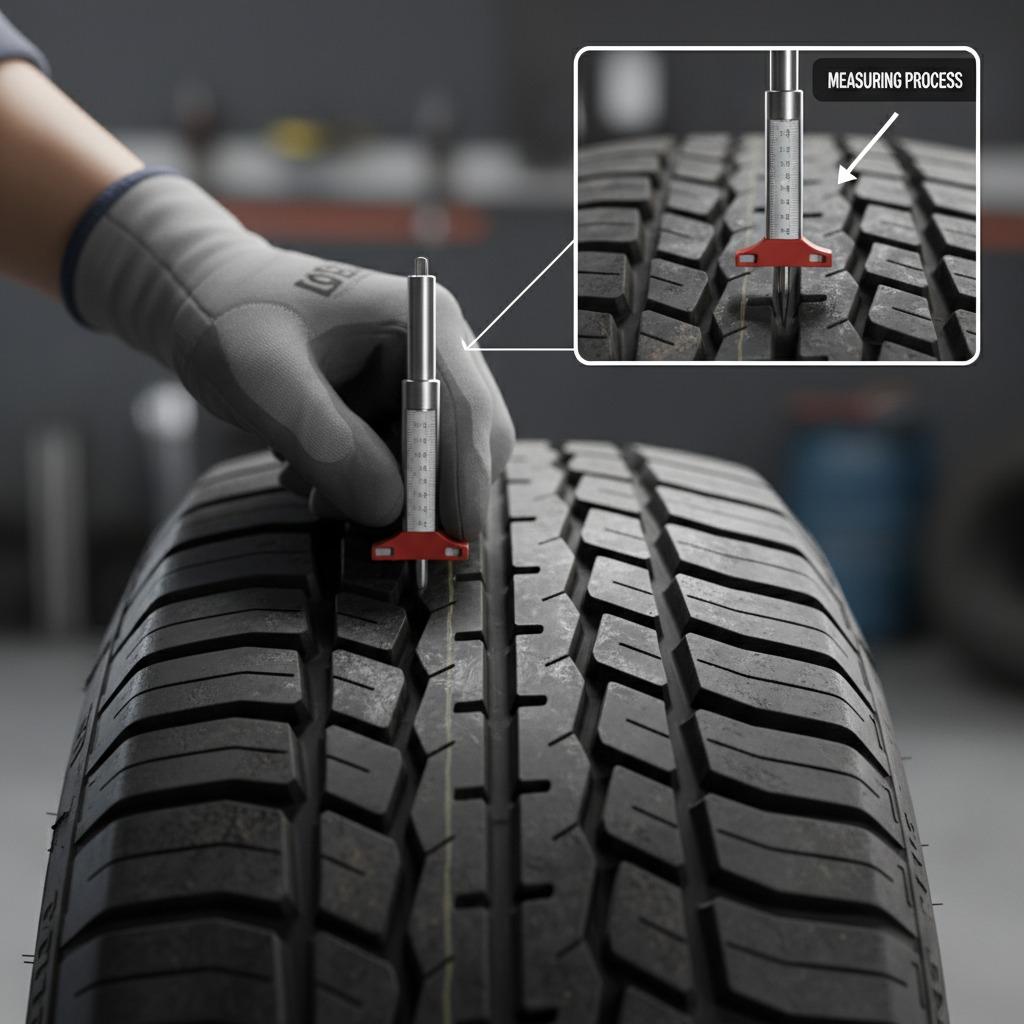
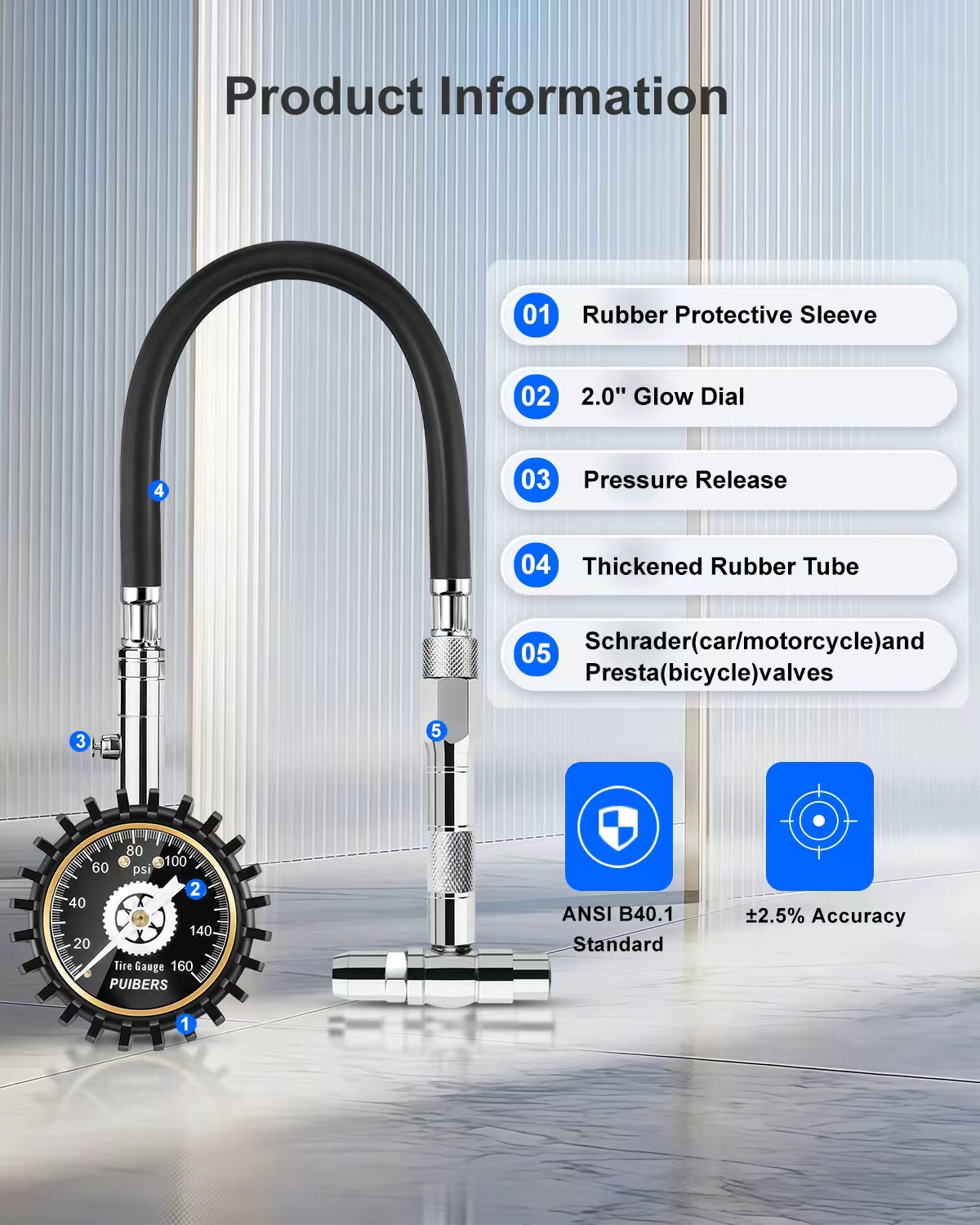
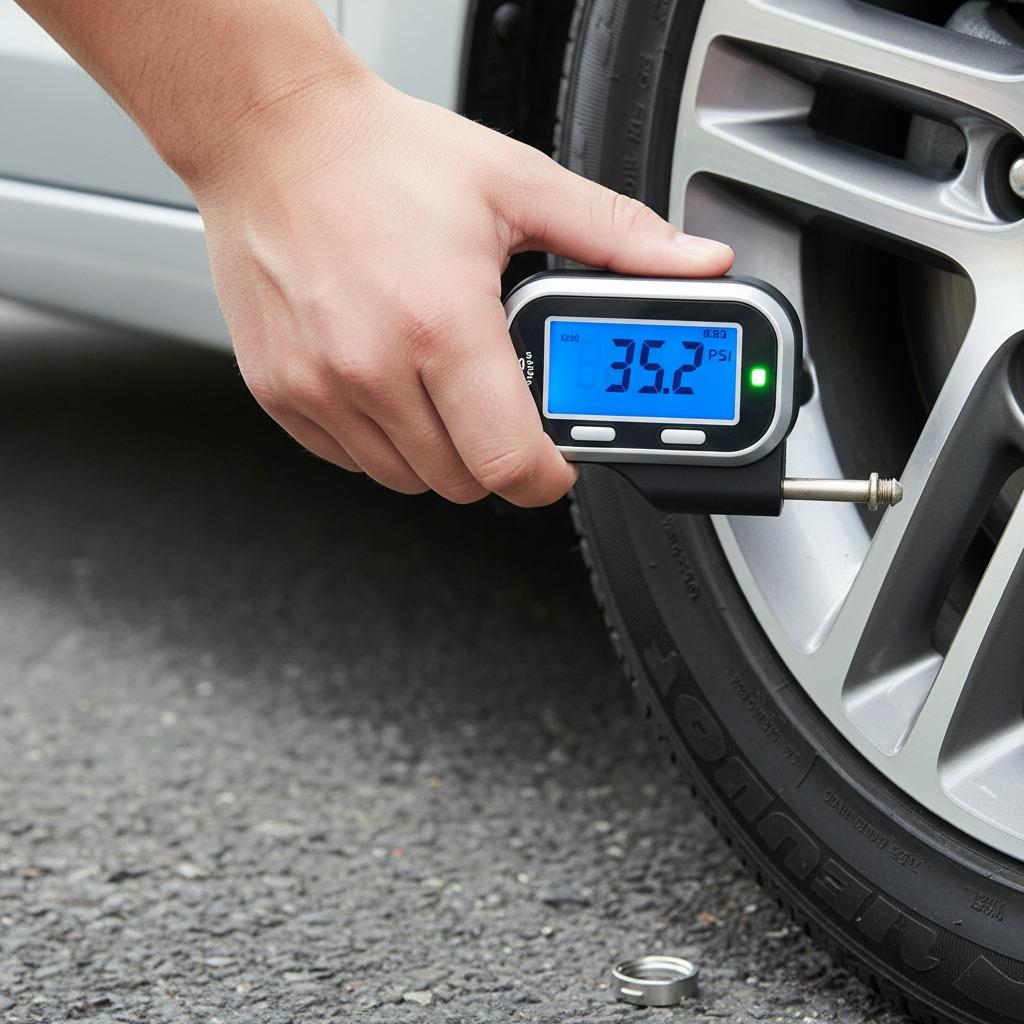
Learning how to check tire pressure is a simple skill that every driver should possess. It requires only one tool: a reliable tire pressure gauge. You can purchase a digital, dial, or pencil-style gauge at any auto parts store. For the most accurate reading, always check the pressure when the tires are 'cold'—meaning the car has been parked for at least three hours or has not been driven for more than a mile. First, remove the valve cap from one of the tire's valve stems and set it aside somewhere you won't lose it. Press the gauge firmly and evenly onto the valve stem. You will hear a brief hiss of air; this is normal. The gauge will then display a reading. Compare this reading to the recommended PSI listed on your doorjamb sticker. If the pressure is too low, use an air compressor to add air in short bursts, re-checking the pressure after each burst until it reaches the correct level. If the pressure is too high, use the nub on the back of the gauge to press the pin inside the valve stem and release air slowly. Once the correct pressure is set, screw the valve cap back on tightly. Repeat this process for all four tires, and don't forget to check the spare tire as well, as it is often neglected.
Best Practices for Maintaining Tire Pressure
Consistent vigilance is the key to maintaining tire pressure and reaping its benefits. You should get into the habit of checking your tires at least once a month and always before embarking on a long road trip. Temperature fluctuations have a significant effect on tire pressure; as a general rule, pressure decreases by about 1 PSI for every 10-degree Fahrenheit drop in ambient temperature. This is why it's especially important to check your tires more frequently as seasons change from warm to cold. While modern vehicles are equipped with a Tire Pressure Monitoring System (TPMS), you should not rely on it exclusively. The TPMS warning light typically illuminates only when the pressure is already 25% below the recommended level—a point at which your vehicle's safety and performance are already significantly compromised. Think of the TPMS as a last-resort warning system, not a substitute for regular manual checks with a quality gauge. By incorporating this simple monthly check into your routine, you actively contribute to the longevity and safety of your vehicle, reinforcing the importance of tire pressure in your overall car care.