
Car Tire Rotation: Extend Tire Life and Improve Handling
Your car’s tires wear unevenly—front tires carry the weight of the engine and steering, so they wear faster on the shoulders; rear tires carry less weight, so they wear more evenly in the center. Tire rotation swaps the position of your tires to distribute wear evenly, extending their life (saving you money) and keeping your car’s handling consistent. Here’s how to do it right.
First, know when to rotate your tires. Most manufacturers recommend rotating every 5,000–7,500 miles, or every 6 months (whichever comes first). If you notice uneven wear (e.g., one tire is more worn than the others, or the wear is only on one side), rotate them sooner. Also, rotate your tires when you get a new set—this ensures all tires break in at the same rate.
Choose the right rotation pattern. The pattern depends on whether your car is front-wheel drive (FWD), rear-wheel drive (RWD), all-wheel drive (AWD), or has directional tires (tires with a tread pattern that only works in one direction).
- FWD cars: Front tires move to the rear (keeping the same side—left front to left rear, right front to right rear), and rear tires move to the front but cross (left rear to right front, right rear to left front). This balances the wear from steering and engine weight.
- RWD cars: Rear tires move to the front (same side), and front tires move to the rear and cross.
- AWD cars: Use a “cross” pattern for non-directional tires (left front to right rear, right front to left rear, left rear to right front, right rear to left front) to ensure even wear across all four tires.
- Directional tires: These have an arrow on the sidewall showing the direction they should spin. Rotate them front to rear (same side only)—never cross them, as this reverses the tread direction and reduces traction.
Do the rotation safely. Park your car on a level surface and engage the parking brake. Loosen the lug nuts on all four tires (don’t remove them yet) with a lug wrench. Jack up one corner of the car using the manufacturer’s recommended jack points (never jack under the frame or suspension). Place a jack stand under the car for support (never rely on the jack alone). Remove the lug nuts, take off the tire, and put the tire in its new position. Tighten the lug nuts by hand until they’re snug, then lower the car. Once all tires are rotated, use a torque wrench to tighten the lug nuts to the manufacturer’s specified torque (usually 80–100 ft-lbs)—this prevents over-tightening (which damages the rim) or under-tightening (which causes the tire to come loose).
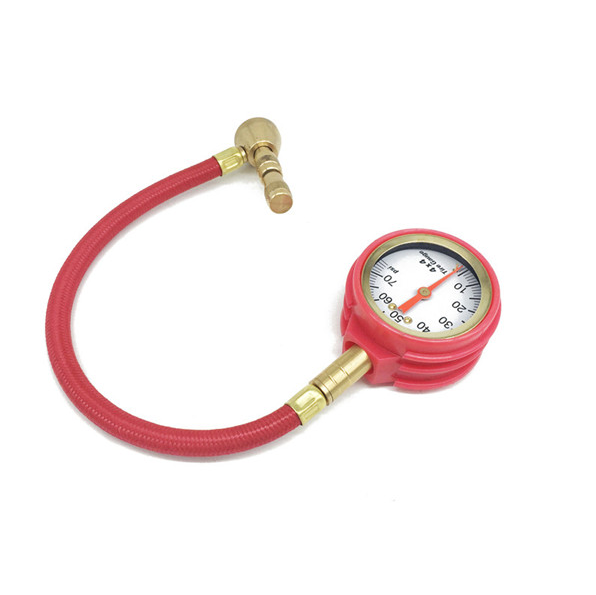
After rotation, check your tire pressure and alignment. If your car pulls to one side after rotation, you might need a wheel alignment (misalignment causes uneven wear even with rotation). Regular tire rotation is a simple task that can add thousands of miles to your tires’ life—don’t skip it.