
Over 20 years of experience in manufacturing tire gauges & automotive tools.

Car Tire Rotation: Extend Tire Life and Improve Handling

  • Product Guide
Posted by GODESON On Sep 23 2025

Car Tire Rotation: Extend Tire Life and Improve Handling

Your car’s tires wear unevenly—front tires carry the weight of the engine and steering, so they wear faster on the shoulders; rear tires carry less weight, so they wear more evenly in the center. Tire rotation swaps the position of your tires to distribute wear evenly, extending their life (saving you money) and keeping your car’s handling consistent. Here’s how to do it right.

First, know when to rotate your tires. Most manufacturers recommend rotating every 5,000–7,500 miles, or every 6 months (whichever comes first). If you notice uneven wear (e.g., one tire is more worn than the others, or the wear is only on one side), rotate them sooner. Also, rotate your tires when you get a new set—this ensures all tires break in at the same rate.

Choose the right rotation pattern. The pattern depends on whether your car is front-wheel drive (FWD), rear-wheel drive (RWD), all-wheel drive (AWD), or has directional tires (tires with a tread pattern that only works in one direction).

- FWD cars: Front tires move to the rear (keeping the same side—left front to left rear, right front to right rear), and rear tires move to the front but cross (left rear to right front, right rear to left front). This balances the wear from steering and engine weight.

- RWD cars: Rear tires move to the front (same side), and front tires move to the rear and cross.

- AWD cars: Use a “cross” pattern for non-directional tires (left front to right rear, right front to left rear, left rear to right front, right rear to left front) to ensure even wear across all four tires.

- Directional tires: These have an arrow on the sidewall showing the direction they should spin. Rotate them front to rear (same side only)—never cross them, as this reverses the tread direction and reduces traction.

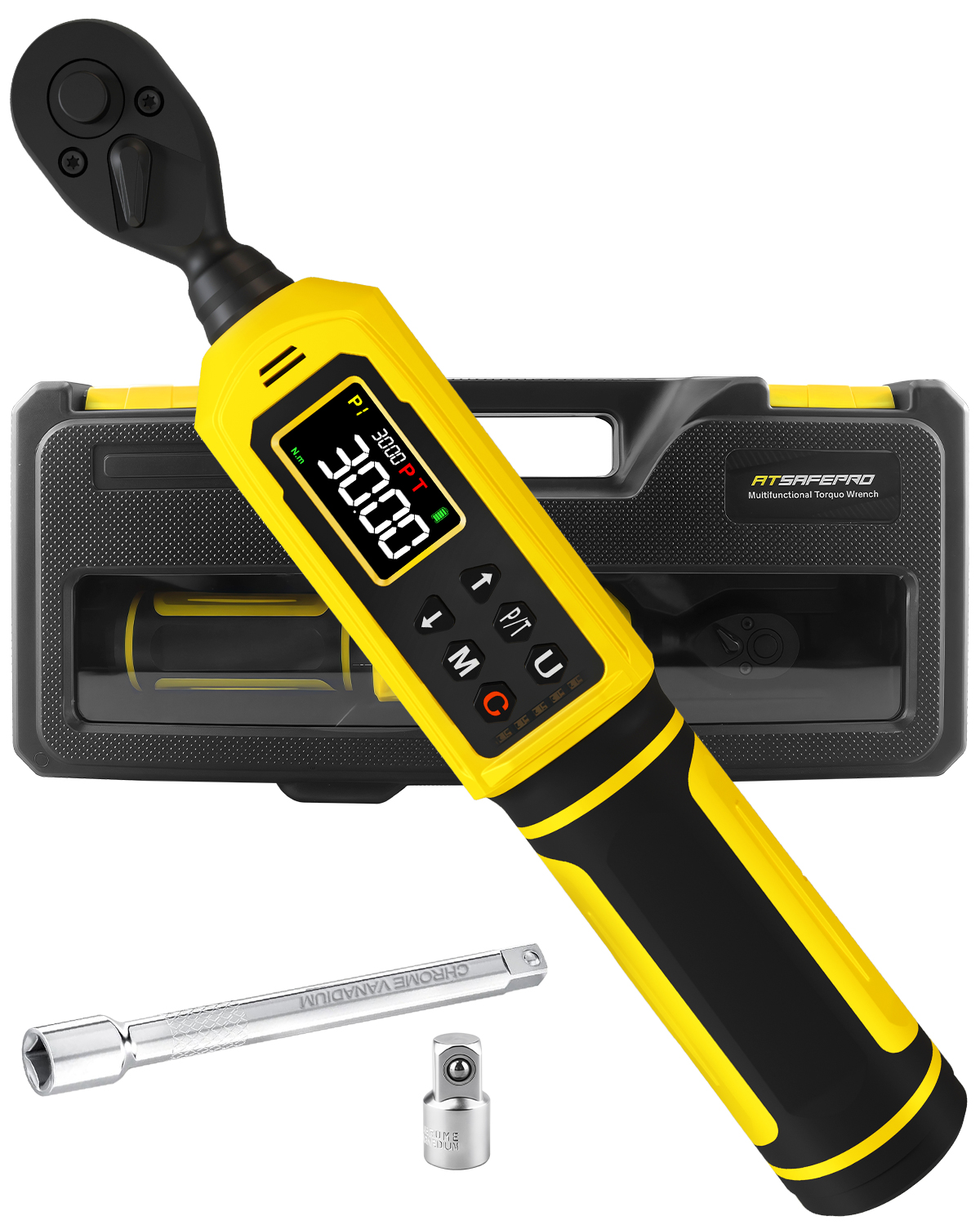
Do the rotation safely. Park your car on a level surface and engage the parking brake. Loosen the lug nuts on all four tires (don’t remove them yet) with a lug wrench. Jack up one corner of the car using the manufacturer’s recommended jack points (never jack under the frame or suspension). Place a jack stand under the car for support (never rely on the jack alone). Remove the lug nuts, take off the tire, and put the tire in its new position. Tighten the lug nuts by hand until they’re snug, then lower the car. Once all tires are rotated, use a torque wrench to tighten the lug nuts to the manufacturer’s specified torque (usually 80–100 ft-lbs)—this prevents over-tightening (which damages the rim) or under-tightening (which causes the tire to come loose).

After rotation, check your tire pressure and alignment. If your car pulls to one side after rotation, you might need a wheel alignment (misalignment causes uneven wear even with rotation). Regular tire rotation is a simple task that can add thousands of miles to your tires’ life—don’t skip it.

Related products:

Featured Blogs

Tag:

  • Hot Products
Share On
Featured Blogs
How to Use a Tire Inflator Gauge: A Complete Guide for Safe & Accurate Tire Maintenance

How to Use a Tire Inflator Gauge: A Complete Guide for Safe & Accurate Tire Maintenance

How to Use a Tire Inflator Gauge: A Complete Guide for Safe & Accurate Tire Maintenance 1. Why Proper Tire Pressure Matters (And Why You Need a Gauge) 2. Understanding Tire Pressure: Key Terms & Ranges 3. Types of Tire Inflator Gauges: Which One Should You Choose? 4. How to Choose the Right Tire Inflator 5. Preparing to Use Your Tire Inflator 6. Step-by-Step: How to Use a Tire Inflator Gauge 7. Tips for Maintaining Proper Tire Pressure 8. Maintaining Your Tire Inflator 9. Troubleshooting Common Issues 10. Conclusion: Make Tire Maintenance a Habit

Master Tire Care with Dual Head Pressure Gauge

Master Tire Care with Dual Head Pressure Gauge

1. Discover the Ultimate Dual Head Tire Pressure Gauge 2. Why Choose a Dual Head Tire Pressure Gauge? 3. Exploring the Features of the Dual Head Tire Gauge 4. Benefits of Using a Tire Pressure Gauge for Optimal Performance 5. Comparing Analog Tire Pressure Gauges: Why Dual Head Wins 6. Tips for Using Your Dual Head Tire Gauge Effectively

How to Choose a Car Air Pump : A Step-by-Step Personalized Guide

How to Choose a Car Air Pump : A Step-by-Step Personalized Guide

1. Start with "Your Vehicle + Usage": The Foundation of Your Choice 2. Match Technical Specs to Your Needs (No Jargon Required) 3. Prioritize User-Friendly Features That Solve Your Pain Points 4. Set a Budget (You Don’t Need to Overspend)

How to Choose a Reliable Digital Tire Pressure Gauge: ATsafepro Model Review

How to Choose a Reliable Digital Tire Pressure Gauge: ATsafepro Model Review

Need an accurate tire pressure gauge for daily driving or road trips? Discover ATsafepro’s digital tire pressure gauge with 4-unit conversion, backlit LCD display, and 360° swivel chuck—your safe driving essential.

Tire Pressure Gauge: Mastering Vehicle Safety with Precision

Tire Pressure Gauge: Mastering Vehicle Safety with Precision

1. How to Use a Tire Pressure Gauge for Optimal Vehicle Safety and Performance 2. Understanding the Basics of a Tire Pressure Gauge 3. Step-by-Step Guide to Checking Tire Pressure with a Tire Pressure Gauge 4. Advanced Tips for Using a Digital Tire Pressure Gauge 5. Why Regular Tire Pressure Checks Matter and How a Digital Tire Pressure Gauge Helps 6. Choosing the Right Tire Pressure Gauge for Your Needs

Tire Tread Depth: Why It Matters & How to Check Yours

Tire Tread Depth: Why It Matters & How to Check Yours

1. What Exactly Is Tire Tread Depth? 2. How Tread Wear Hurts Your Vehicle’s Performance 3. 3 Easy Ways to Measure Tire Tread Depth 4. When Should You Replace Your Tires? 5. Final Thoughts