
Over 20 years of experience in manufacturing tire gauges & automotive tools.

How to Use a Ball Pressure Gauge: A Step-by-Step Guide

  • Product Guide
Posted by GODESON On Oct 13 2025

Step 1: Know Your Ball's Recommended PSI

Before you start, you need to know your target. The recommended pressure range is almost always printed on the ball itself, near the inflation valve. It will be in PSI, BAR, or both.

  • Soccer Balls: Typically 8.5 - 15.6 PSI

  • Basketballs: Typically 7.5 - 8.5 PSI

  • Footballs: Typically 12.5 - 13.5 PSI

  • Volleyballs: Typically 4.3 - 6.0 PSI

Always defer to the manufacturer's printed specification.

Step 2: Prepare Your Equipment

  • Get your pump (hand pump or electric pump) and your pressure gauge.

  • If you have a digital gauge, ensure the battery is charged. Turn it on.

  • If you have an analog gauge, gently tap it to ensure the needle is resting at zero. If it isn't, take note of where it starts so you can adjust your reading.

Step 3: Connect the Gauge to the Ball

  • Remove the cap from the ball's air valve.

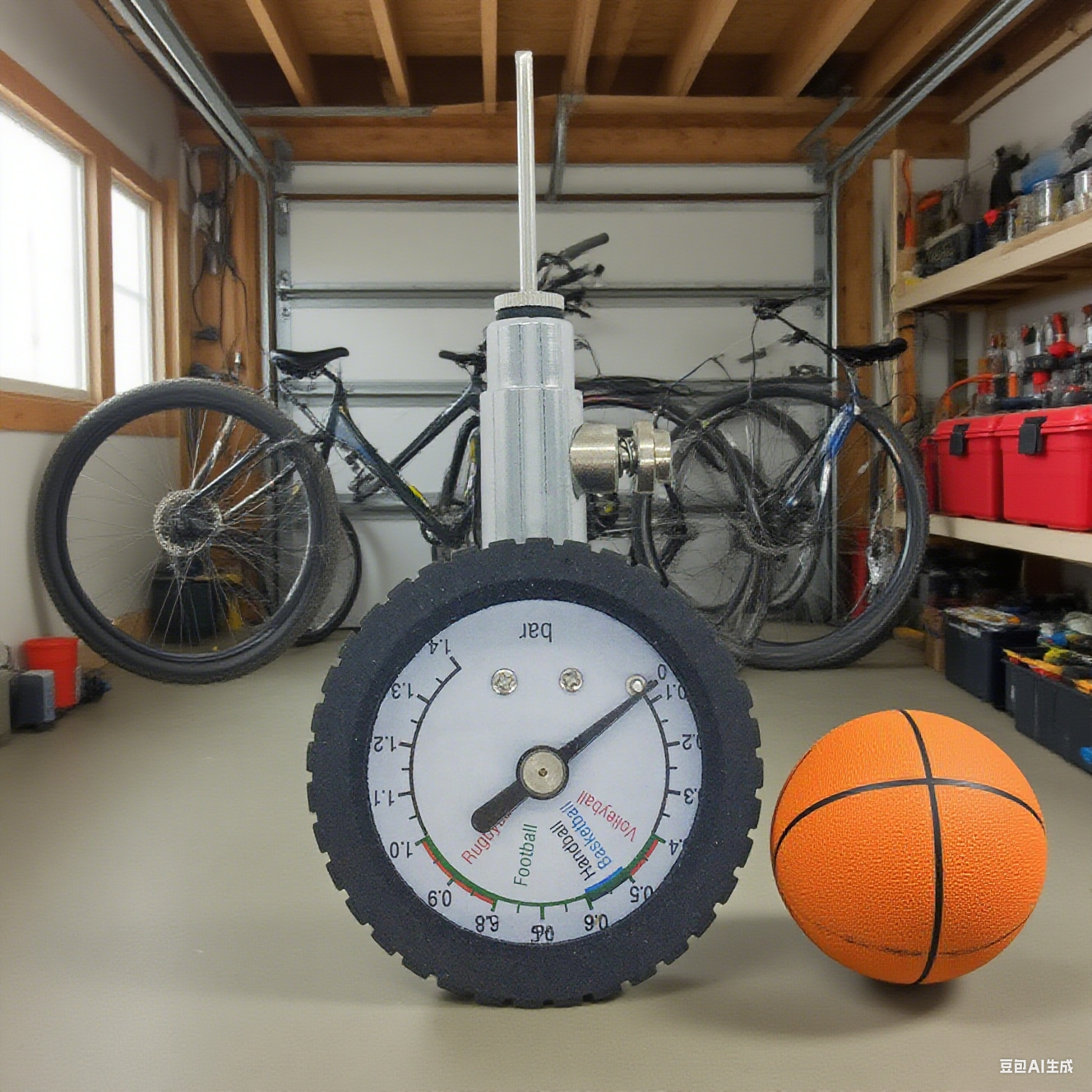
  • Firmly and straightly press the gauge's nozzle onto the valve. You must get a good seal, or air will escape and give you a false low reading.

  • You might hear a short hiss of air; this is normal as you make the connection.

Step 4: Take the Reading

  • Analog Gauge: Hold the gauge steady and look directly at the dial face-on (not from an angle) to avoid parallax error. Note where the needle points.

  • Digital Gauge: The reading will stabilize on the screen after a second. It will give you a clear number.

Step 5: Add or Release Air

  • If pressure is too low: Use your pump to add short bursts of air. Re-check the pressure frequently with the gauge to avoid over-inflating.

  • If pressure is too high: Most gauges and pumps have a small pin in the center of the nozzle. By pressing this pin against the valve stem (or using a dedicated bleed valve), you can release small amounts of air. Re-check frequently.

Step 6: Final Check and Recap

  • Once you've hit your target pressure, do one final check with the gauge.

  • Disconnect the gauge and quickly replace the valve cap on the ball to prevent dirt from clogging the valve and slow air leaks.

And that's it! With a little practice, this process will become second nature, ensuring your balls are always game-ready.

Featured Blogs

Tag:

  • Hot Products
Share On
Featured Blogs
Essential Tyre Tread Depth Gauge for Safety & Performance

Essential Tyre Tread Depth Gauge for Safety & Performance

1. Understanding the Importance of a Tyre Tread Depth Gauge for Vehicle Safety 2. Mastering Tire Tread Depth Measurement Techniques 3. How to Measure Tire Tread Depth: A Step-by-Step Guide 4. Choosing the Right Tire Depth Gauge Tool for Your Needs 5. The Benefits of Using a Tire Tread Depth Checker Regularly 6. Introducing Our Precision Tyre Tread Depth Gauge 7. Advanced Tips for Tire Maintenance with Your Gauge

Advanced Torque Wrench Tips, Maintenance, and Common Mistakes to Avoid

Advanced Torque Wrench Tips, Maintenance, and Common Mistakes to Avoid

Torque Wrench Calibration: Why It’s Essential for Accuracy Proper Torque Wrench Maintenance to Extend Its Lifespan Common Torque Wrench Mistakes Even Experienced Mechanics Make When to Replace Your Torque Wrench

The Ultimate Pre-Trip Inspection Checklist for RVs and Travel Trailers: Avoid Roadside Headaches Before You Go

The Ultimate Pre-Trip Inspection Checklist for RVs and Travel Trailers: Avoid Roadside Headaches Before You Go

The Ultimate Pre-Trip Inspection Checklist for RVs and Travel Trailers: Avoid Roadside Headaches Before You Go 1. Tires: The #1 Most Critical Component (Don’t Skip This) 2. Hitch & Coupler: Secure Your Most Important Connection 3. Lights & Electrical: Stay Visible and Legal 4. Brakes: Reliable Stopping Power for Every Terrain 5. Cargo & Load Security: Prevent Sway and Shifting 6. Living Systems Check: For RVs and Trailers with Amenities 7. Pack an Emergency Kit: Prepare for the Unexpected Make Pre-Trip Inspections a Non-Negotiable Habit

Tyre Deflator for 4WD: Elevate Off-Road Performance

Tyre Deflator for 4WD: Elevate Off-Road Performance

1. Discover the Ultimate Tyre Deflator for 4WD Adventures 2. Why Choose the Best Tyre Deflator for Off-Road Use? 3. Exploring Automatic Tyre Deflator 4x4 Options 4. Building Your 4WD Tyre Deflation Kit Essentials 5. Tips for Using Your Tyre Deflator for 4WD Effectively

A Beginner’s Guide to Using a Torque Wrench: Why It Matters and How to Do It Right

A Beginner’s Guide to Using a Torque Wrench: Why It Matters and How to Do It Right

Why Torque Wrenches Are Non-Negotiable for Mechanical Work The Dangers of Incorrect Torque: Too Loose vs. Too Tight Types of Torque Wrenches: Which One Is Right for You? Step-by-Step: How to Use a Torque Wrench Correctly

The Best Tire Tread Depth Gauge: A Comprehensive Guide

The Best Tire Tread Depth Gauge: A Comprehensive Guide

1. Design and Build Quality 2. How to Measure Tire Tread Depth: A Step-by-Step Guide 3. Performance in Real-World Use 4. Pros, Cons, and Value Assessment