
Step 1: Know Your Ball's Recommended PSI
Before you start, you need to know your target. The recommended pressure range is almost always printed on the ball itself, near the inflation valve. It will be in PSI, BAR, or both.
-
Soccer Balls: Typically 8.5 - 15.6 PSI
-
Basketballs: Typically 7.5 - 8.5 PSI
-
Footballs: Typically 12.5 - 13.5 PSI
-
Volleyballs: Typically 4.3 - 6.0 PSI
Always defer to the manufacturer's printed specification.
Step 2: Prepare Your Equipment
-
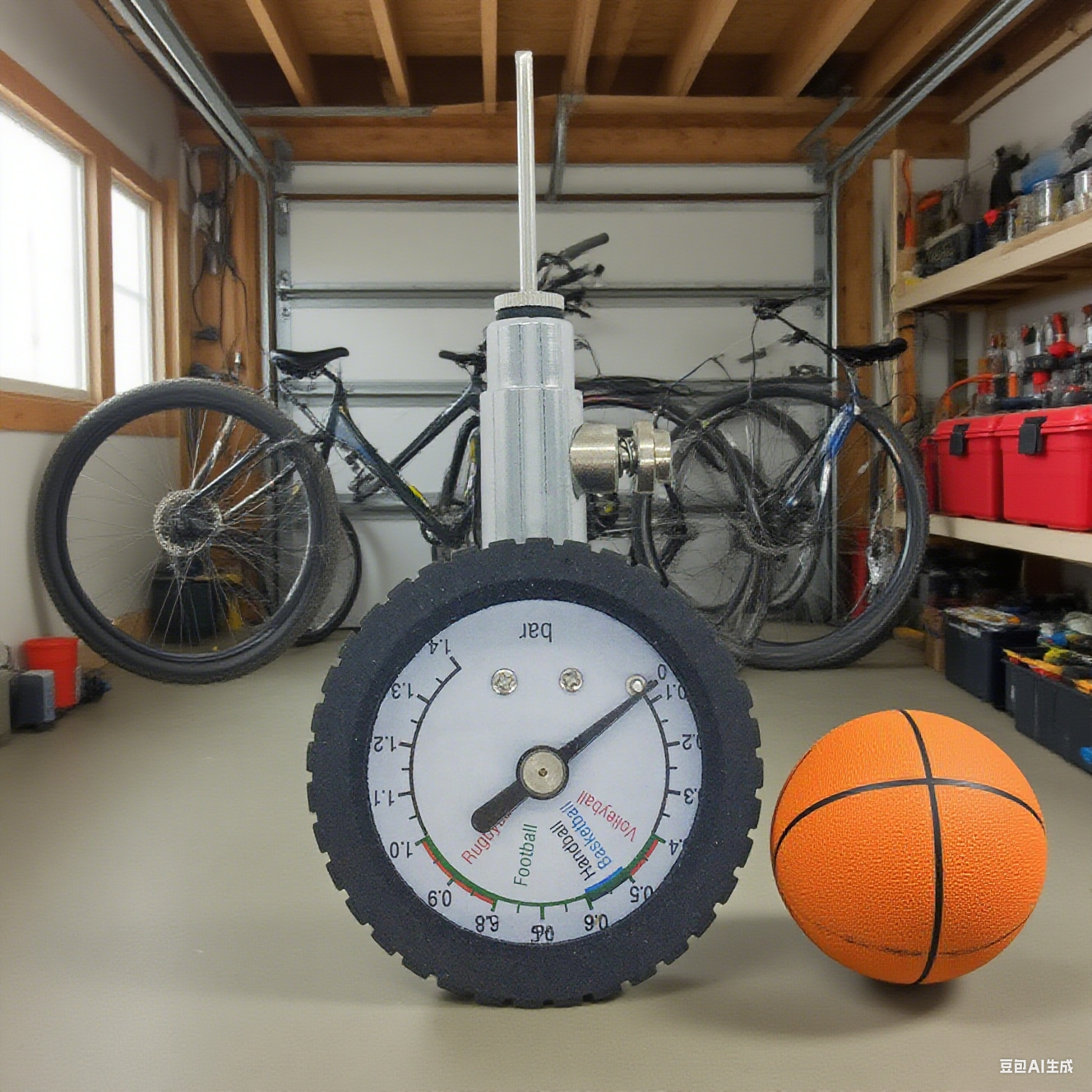
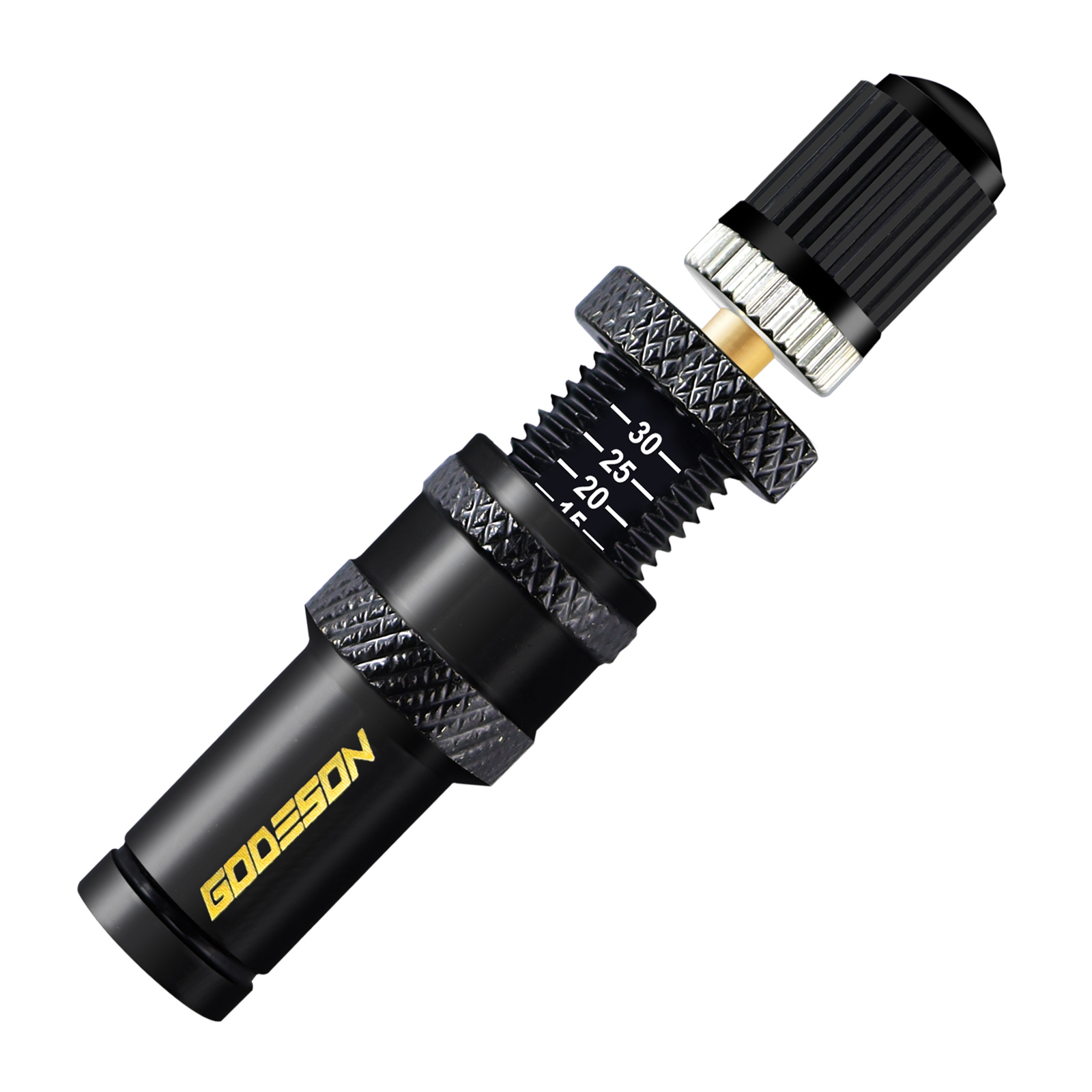
Get your pump (hand pump or electric pump) and your pressure gauge.
-
If you have a digital gauge, ensure the battery is charged. Turn it on.
-
If you have an analog gauge, gently tap it to ensure the needle is resting at zero. If it isn't, take note of where it starts so you can adjust your reading.
Step 3: Connect the Gauge to the Ball
-
Remove the cap from the ball's air valve.
-
Firmly and straightly press the gauge's nozzle onto the valve. You must get a good seal, or air will escape and give you a false low reading.
-
You might hear a short hiss of air; this is normal as you make the connection.
Step 4: Take the Reading
-
Analog Gauge: Hold the gauge steady and look directly at the dial face-on (not from an angle) to avoid parallax error. Note where the needle points.
-
Digital Gauge: The reading will stabilize on the screen after a second. It will give you a clear number.
Step 5: Add or Release Air
-
If pressure is too low: Use your pump to add short bursts of air. Re-check the pressure frequently with the gauge to avoid over-inflating.
-
If pressure is too high: Most gauges and pumps have a small pin in the center of the nozzle. By pressing this pin against the valve stem (or using a dedicated bleed valve), you can release small amounts of air. Re-check frequently.
Step 6: Final Check and Recap
-
Once you've hit your target pressure, do one final check with the gauge.
-
Disconnect the gauge and quickly replace the valve cap on the ball to prevent dirt from clogging the valve and slow air leaks.
And that's it! With a little practice, this process will become second nature, ensuring your balls are always game-ready.