
Understanding the Bicycle Torque Wrenches and Their Importance
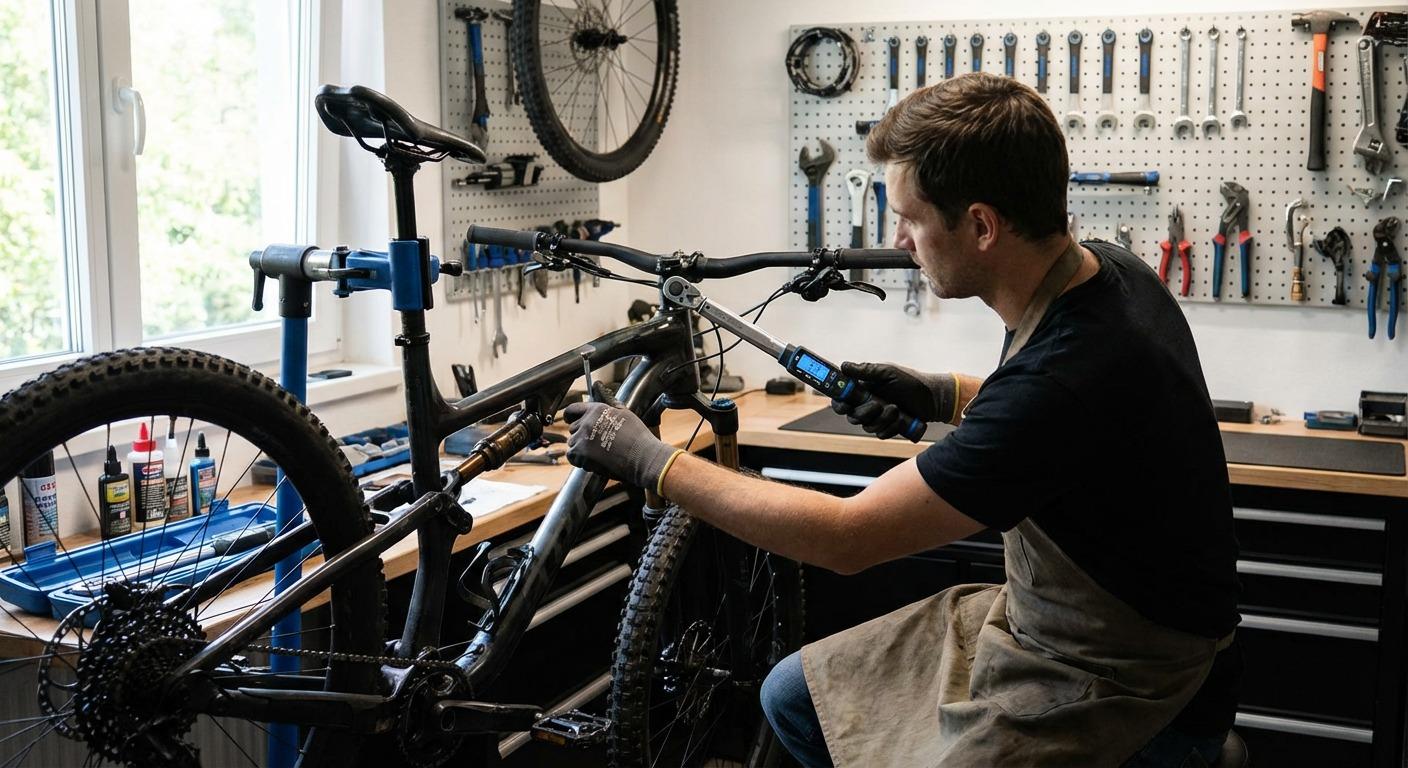
When it comes to maintaining your bicycle, precision is key to ensuring safety and performance. A bicycle torque wrench is an essential tool for cyclists who want to avoid over-tightening or under-tightening bolts, which can lead to component failure or damage. This specialized wrench allows you to apply the exact amount of force specified by manufacturers, typically measured in Newton-meters (Nm). Whether you're assembling a new bike or performing routine maintenance, incorporating a bicycle torque wrench into your toolkit can make a significant difference in longevity and reliability.
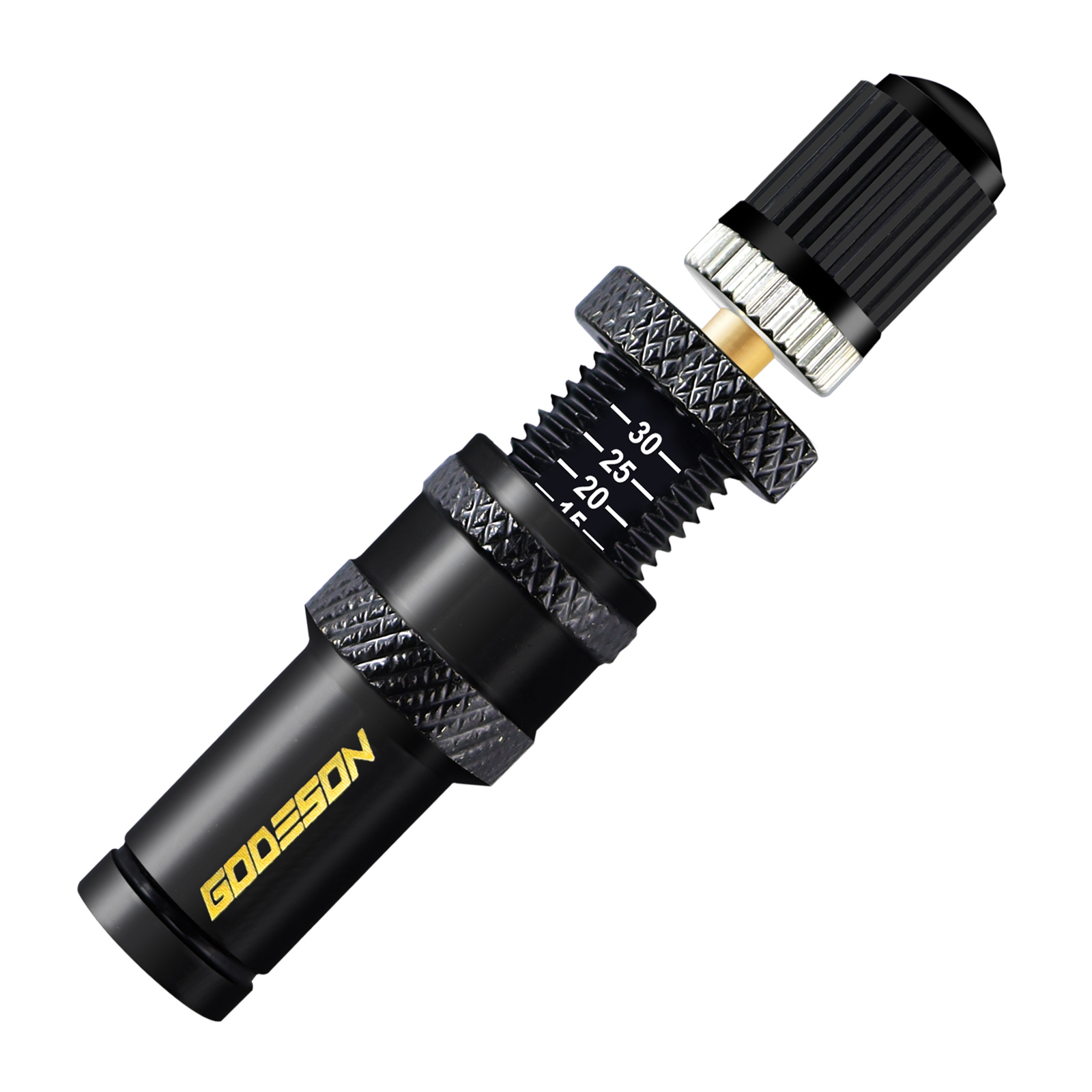
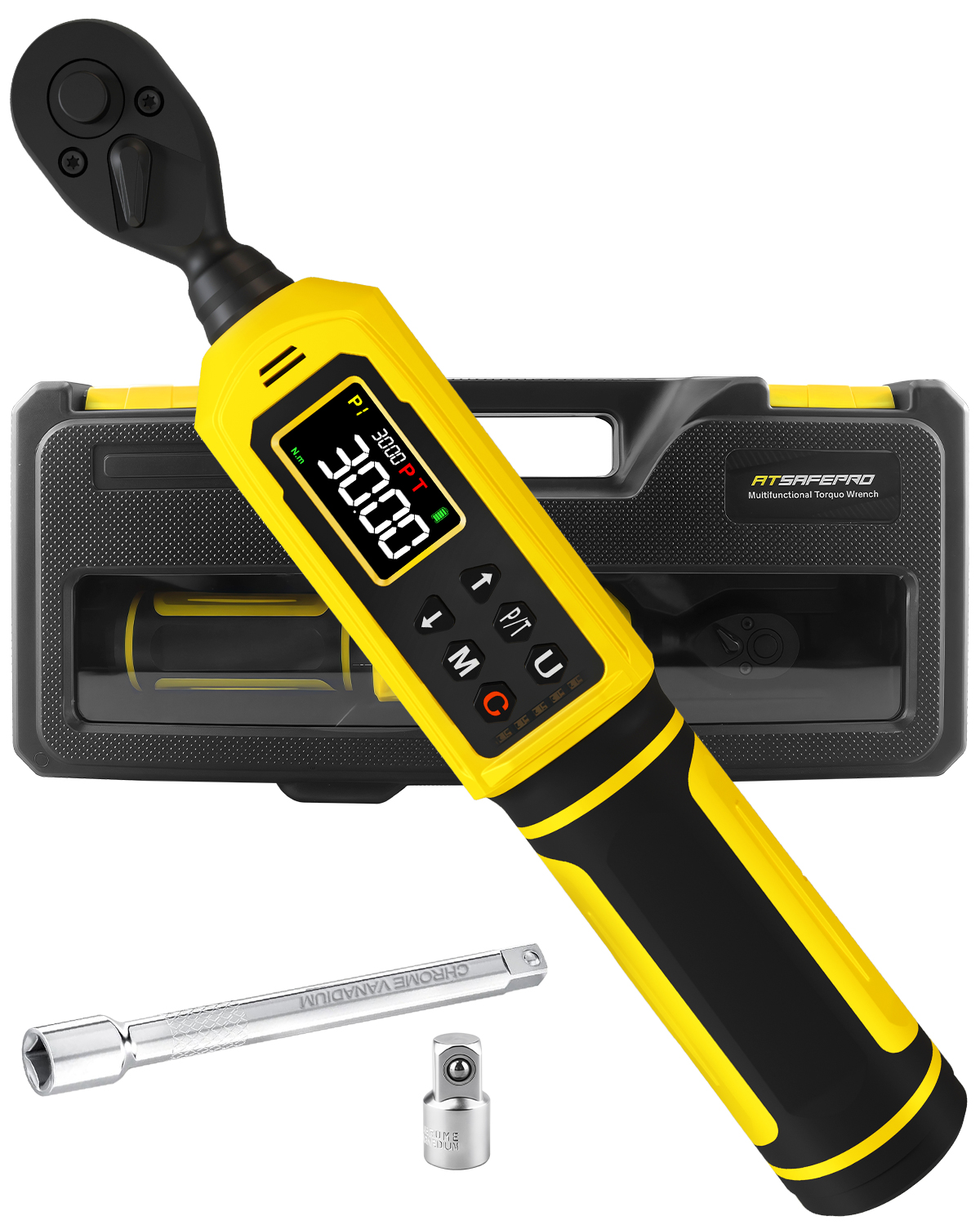
Bicycle torque wrenches come in various types, including click-type and digital models. The click-type version provides an audible signal when the desired torque is reached, making it user-friendly for both beginners and experts. On the other hand, digital torque wrenches offer precise readings on an LCD screen, which is ideal for those working with high-end components that require accuracy down to 0.1 Nm. Prices range from affordable options under $50 to professional-grade tools exceeding $200, depending on features like adjustable ranges and build quality.
Why Choose a Professional Bicycle Torque Wrench?
For serious cyclists or mechanics, a professional bicycle torque wrench elevates your maintenance routine to a new level. These tools are designed with durability and precision in mind, often featuring ergonomic handles, corrosion-resistant materials, and wide torque ranges suitable for everything from delicate carbon fiber parts to robust frame bolts. A professional bicycle torque wrench ensures compliance with manufacturer specifications, reducing the risk of warranty voids caused by improper assembly.
One standout benefit of investing in a professional bicycle torque wrench is its versatility across different bike types. Mountain bikes, road bikes, and even e-bikes all have unique torque requirements for stems, handlebars, seat posts, and pedals. For instance, carbon components typically need torques between 4-8 Nm to prevent cracking, while aluminum parts might handle up to 12 Nm. Using a subpar tool could result in stripped threads or loose fittings, leading to accidents on the trail or road. Professionals often recommend brands like Park Tool or Silca for their reliability and consistent performance.
Beyond safety, a professional bicycle torque wrench promotes efficiency. Instead of guessing or using makeshift methods like feel or elbow grease, you achieve repeatable results every time. This is particularly valuable for bike shops handling multiple repairs daily or for enthusiasts tuning their setups for races. Maintenance logs can even track torque applications, aiding in troubleshooting issues like vibrations or creaks that arise from inconsistent tightening.
How to Use a Bicycle Torque Wrench Effectively
Getting started with a bicycle torque wrench is straightforward, but proper technique maximizes its benefits. First, select the appropriate bit or adapter for the bolt head—hex, Torx, or Allen—ensuring a snug fit to avoid cam-out. Set the wrench to the recommended torque value from your bike's manual; for example, most stem bolts require 5-6 Nm. Attach the wrench to the bolt and apply steady, clockwise pressure until the click or digital alert indicates the target is met. Always work in a clean environment to prevent debris from affecting accuracy.
Calibration is crucial for long-term use. Most professional bicycle torque wrenches should be checked annually or after heavy use, using a calibration tool or service. Common mistakes include exceeding the wrench's torque range—typically 2-20 Nm for bike-specific models—or ignoring the break-in period for new tools. To store it properly, keep it in its case away from extreme temperatures, and loosen the adjustment knob to zero when not in use, preserving the spring mechanism.
Integrating a bicycle torque wrench into your routine also involves understanding torque sequences. For complex assemblies like bottom brackets, tighten in a cross-pattern to distribute force evenly. This prevents warping and ensures stability. Beginners might start with simpler tasks, like securing brake calipers at 6-8 Nm, building confidence before tackling high-torque areas like crank arms at 35-50 Nm. Online tutorials and manufacturer guides can provide visual aids for these processes.
Advanced Tips for Bicycle Torque Wrench Applications
For those delving deeper, consider the nuances of a professional bicycle torque wrench in specialized scenarios. In wet or muddy conditions, torque values might need slight adjustments due to lubrication effects—always err on the side of caution and recheck after rides. When working with suspension bikes, torque the pivots precisely to maintain geometry and prevent bushing wear. A professional model with pre-set clicks for common values, like 4 Nm for disc rotors, streamlines workflows.
Pairing your bicycle torque wrench with other tools enhances results. Use it alongside a bike stand for stability, thread lockers for vibration resistance, and a torque tester for verification. For racers, logging torque data can optimize setups for aerodynamics or weight distribution. Environmentally, precise torquing reduces material waste by minimizing repair frequency, aligning with sustainable cycling practices.
Exploring accessories like extension bars or angle gauges can extend a professional bicycle torque wrench's utility to hard-to-reach spots. Community forums often share real-world experiences, highlighting how these tools have prevented costly damages. Ultimately, mastering this tool transforms maintenance from a chore into a precise art, ensuring your bike performs at its peak.
Conclusion: Elevate Your Cycling Maintenance
In summary, a reliable bicycle torque wrench is indispensable for any cyclist serious about their equipment. Opting for a professional bicycle torque wrench guarantees the precision needed for optimal safety and performance. With proper use and care, it becomes a long-term investment in your riding experience. Whether you're a weekend warrior or a pro mechanic, incorporating this tool will undoubtedly enhance your bike's reliability and your overall satisfaction on the road or trail. (Word count: 912)