
Bike Seat Height Adjustment: Find the Perfect Fit for Comfort and Efficiency
A poorly adjusted bike seat (saddle) can cause pain in your knees, back, or hips, and reduce your pedaling efficiency. The right seat height lets you pedal with full leg extension, reduces strain, and makes your ride faster and more comfortable. Here’s how to adjust your bike’s seat height correctly.
First, find the initial height. Stand next to your bike and adjust the seat so that the top of the seat is level with your hip bone (this is a quick starting point). Most bike seats are held in place by a seatpost clamp (a bolt or quick-release lever on the frame near the seatpost). Loosen the clamp (use an Allen wrench for bolts or flip the quick-release lever) and slide the seatpost up or down to the desired height. Tighten the clamp (make sure it’s secure— a loose seatpost can slip while riding).
Fine-tune using the leg extension method. The best way to set seat height is to ensure your leg has a slight bend when the pedal is at the bottom of the stroke.
- Sit on the bike (use a bike stand or lean against a wall for balance). Place one foot on the pedal and push it all the way down to the bottom of the stroke (6 o’clock position). Your knee should be slightly bent—about 5–10 degrees (not fully straight, which strains the knee, or too bent, which reduces power).
- If your knee is fully straight at the bottom, lower the seat slightly. If your knee is bent more than 10 degrees, raise the seat. Make small adjustments (1–2 cm at a time) and test again.
Check for proper pedaling form. When pedaling, your heels should stay on the pedals (don’t point your toes or lift your heels). If you have to lift your heels to pedal, the seat is too high. If your toes point downward excessively, the seat is too low.
Adjust seat fore-aft position. The seat’s position forward or backward also affects comfort and efficiency.
- Sit on the bike with your feet on the pedals (pedals at 3 o’clock and 9 o’clock positions). Your knee should be directly over the pedal axle when the pedal is at 3 o’clock (use a plumb line or your finger to check—drop a line from the front of your knee cap; it should align with the pedal axle).
- If your knee is behind the pedal axle, slide the seat forward (loosen the bolts under the seat that attach it to the seatpost). If your knee is in front of the axle, slide the seat backward. Tighten the bolts securely after adjusting.
Set seat angle. Most riders prefer a level seat (parallel to the ground). A tilted seat (nose up) can cause pressure on your perineum (the area between your legs), while a tilted seat (nose down) can make you slide forward.
- Use a level tool to check the seat angle. If it’s not level, loosen the bolts under the seat and adjust the angle until it’s level. Tighten the bolts.
Test ride and adjust. After making adjustments, take the bike for a short ride (10–15 minutes). Pay attention to:
- Knee pain: If your knees hurt, the seat is too high or too low.
- Back pain: If your back aches, the seat may be too far forward or backward.
- Perineum pressure: If you feel pressure between your legs, tilt the seat slightly downward (a small adjustment—1–2 degrees) or try a wider seat.
Make small tweaks until you find the most comfortable position. Remember, everyone’s body is different—what works for someone else may not work for you.
# 24. Off-Road Camping Gear Essentials: Pack Smart for a Safe and Enjoyable Trip
Off-road camping lets you escape the crowds and connect with nature, but it requires careful packing—you’ll be far from stores, so you need to bring everything you need to stay safe, comfortable, and self-sufficient. Here’s a list of essential gear to pack for your off-road camping trip.
First, shelter and sleeping gear. You need a reliable shelter to protect you from the elements:
- Tent: Choose a 3-season or 4-season tent (depending on the weather—4-season tents are for snow or cold). Look for a tent that’s easy to set up, waterproof, and has a rainfly (extra protection from rain).
- Sleeping bag: Pick a sleeping bag rated for the lowest temperature you’ll encounter (e.g., a 20°F bag for cool nights). Use a sleeping pad under the bag (insulates you from the cold ground and adds comfort—choose an inflatable or foam pad).
- Pillow: A small inflatable pillow or a stuff sack filled with clothes (lightweight and easy to pack).
Cooking and food supplies. You’ll need to prepare meals and stay hydrated:
- Camp stove and fuel: A portable propane or butane stove (easy to use and efficient). Bring extra fuel canisters (enough for the length of your trip).
- Cookware: A small pot and pan (with lids), a spatula, a spoon, and a set of plates, bowls, and utensils (choose lightweight, durable options like stainless steel or plastic).
- Food: Pack non-perishable, easy-to-cook foods like pasta, rice, canned beans, dried fruits, nuts, and freeze-dried meals (no refrigeration needed). Bring snacks for daytime rides (granola bars, energy gels).
- Water: Bring enough water for drinking and cooking (1–2 liters per person per day). Bring a water filter or purification tablets (to filter water from streams or lakes if you run out).
- Cooler: A small cooler with ice packs (to keep perishables like meat, cheese, or drinks cold—choose a durable, waterproof cooler).
Safety and survival gear. Safety is a top priority in remote areas:
- First-aid kit: Include bandages, antiseptic wipes, pain relievers, tweezers, gauze, and any prescription medications you need. Add items like burn cream, anti-itch cream, and a CPR mask.
- Navigation tools: A map and compass (learn how to use them—don’t rely on cell phone service), a GPS device (with extra batteries), and a portable charger.
- Fire-starting kit: Waterproof matches, a lighter, fire starter (like ferrocerium rods), and dry kindling (or fire logs—easy to light in wet weather).
- Flashlight and headlamp: A bright flashlight (for camp use) and a headlamp (for hands-free use, like setting up tent at night). Bring extra batteries.
- Knife or multi-tool: A sharp knife (for cutting rope, preparing food, or emergencies) and a multi-tool (with pliers, screwdrivers, and a can opener).
- Emergency blanket: A lightweight mylar blanket (to keep warm if you’re stranded or hypothermic).
Vehicle and camping accessories. Don’t forget gear for your off-road vehicle and camp setup:
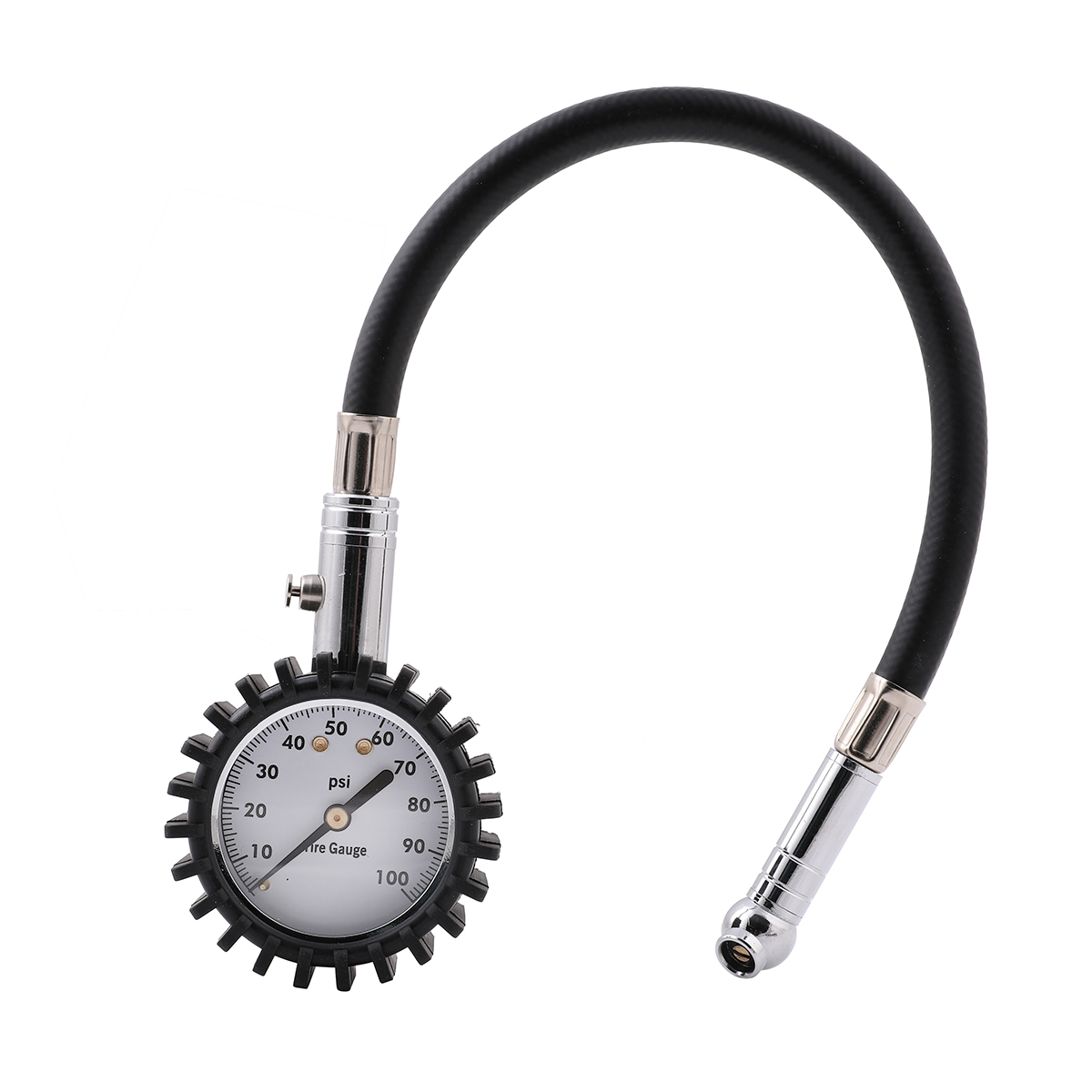
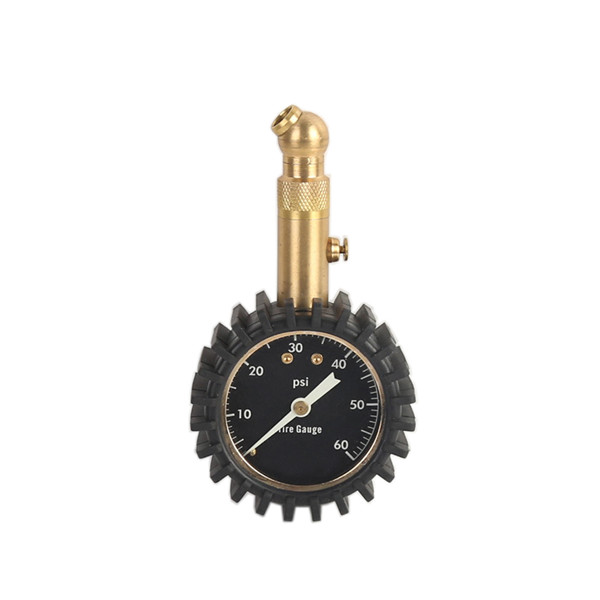
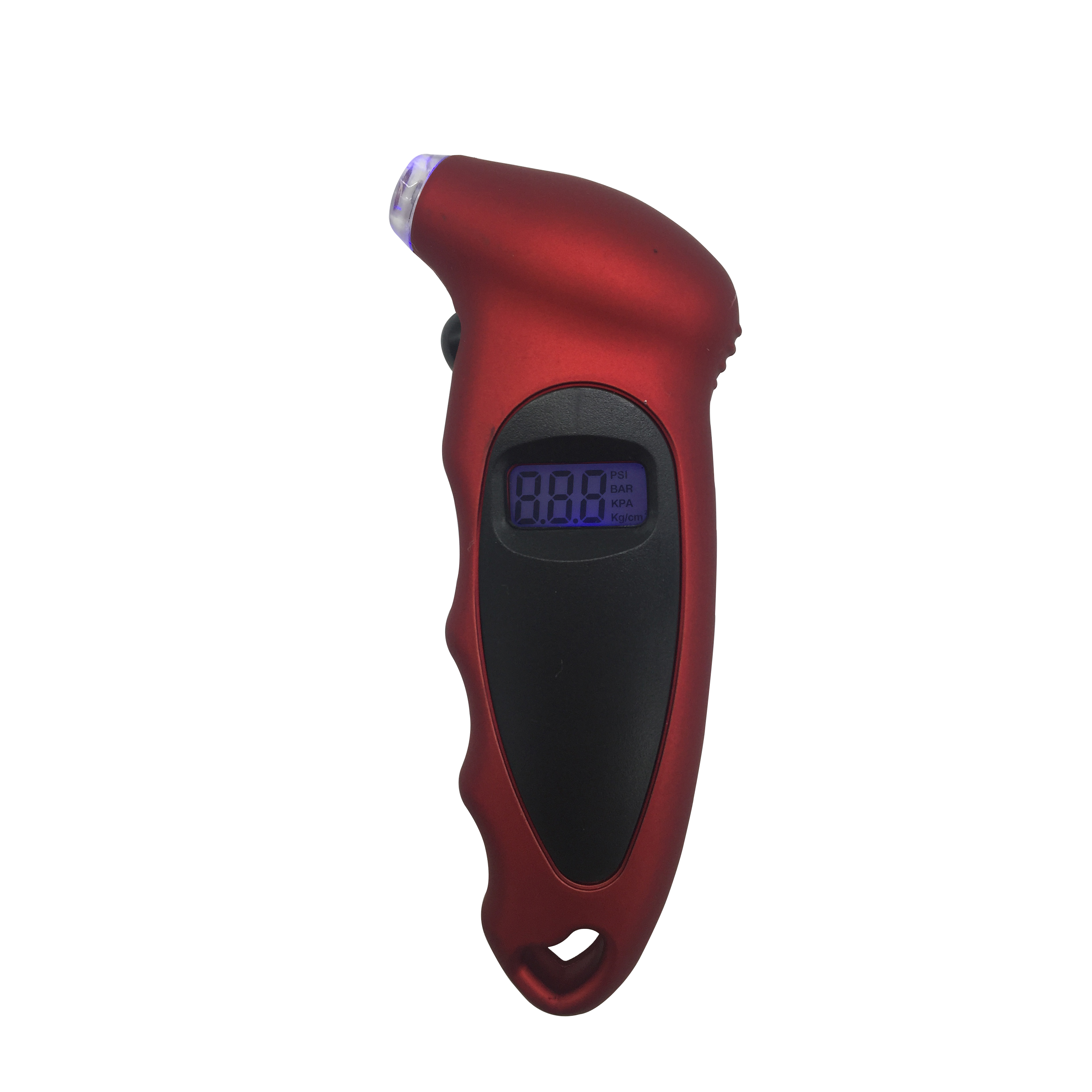
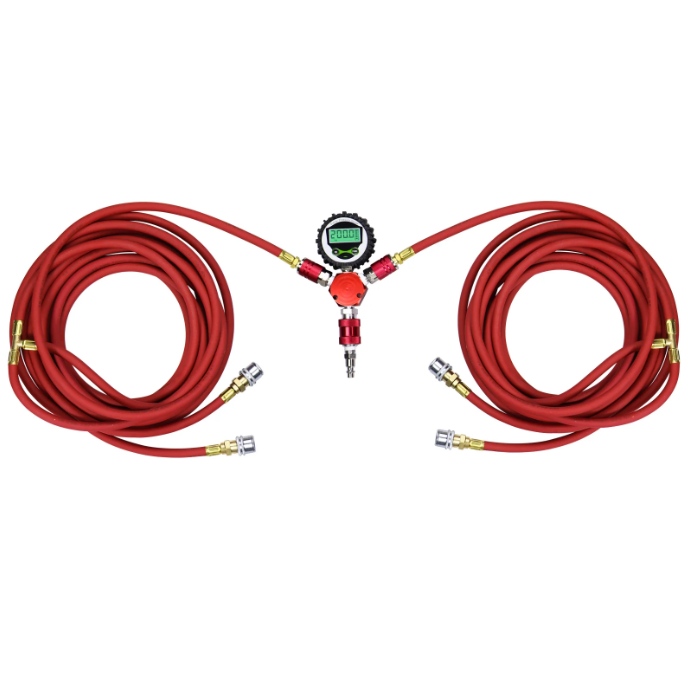
- Recovery gear: A tow rope, a shovel, a jack, and traction mats (to get your vehicle unstuck from mud or sand). Bring a portable air compressor (to inflate tires after off-roading).
- Camp chairs: Foldable camp chairs (for relaxing around the fire—choose lightweight, sturdy ones).
- Lantern: A battery-powered or propane lantern (lights up the camp area at night).
- Trash bags: Heavy-duty trash bags (to pack out all your trash—leave no trace).
- Insect repellent and sunscreen: Repellent (to keep bugs away) and sunscreen (SPF 30 or higher—protects from the sun’s rays).
- Clothing: Pack layers (even in summer—nights can be cold), a waterproof jacket and pants, hiking boots, and extra socks and underwear.
Before you leave, check the weather forecast and tell someone where you’re going and when you plan to return. Pack smart—only bring what you need, but don’t skip essential items. With the right gear, you’ll have a safe and memorable off-road camping trip.