
Essential Tire Protection Tips to Extend Tire Life and Ensure Safety
The Critical Role of Tires: Why Protection Matters
Your car’s tires are the only point of contact between your vehicle and the road, making them one of the most critical components for safety, performance, and fuel efficiency. Many drivers overlook basic tire care, leading to premature wear, reduced grip, and even dangerous blowouts. By following these essential tire protection tips, you can extend the lifespan of your tires, save money on replacements, and drive with confidence in all road conditions.
Maintain Proper Tire Pressure: The Foundation of Tire Care
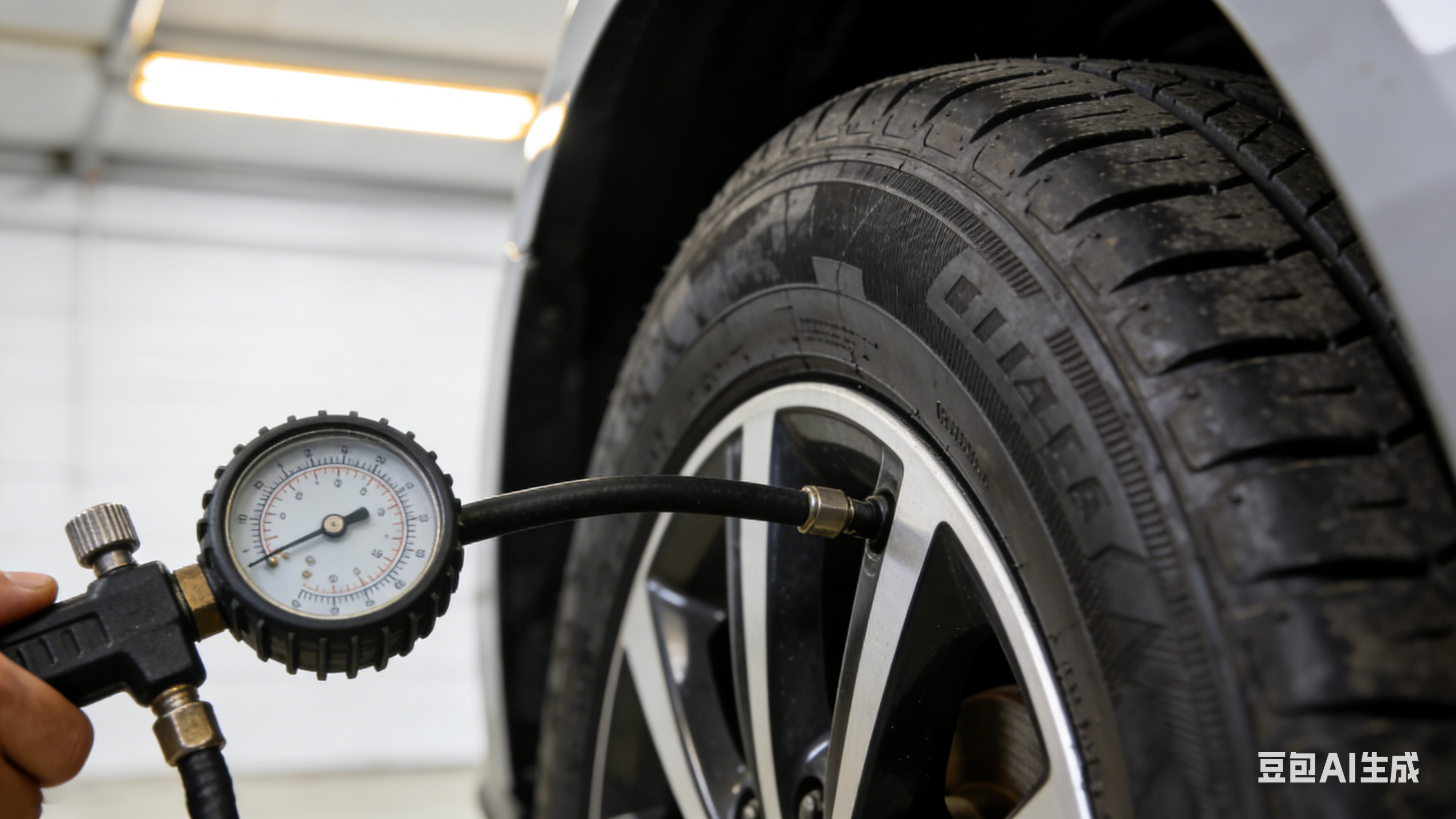
First and foremost, maintaining proper tire pressure is non-negotiable. Underinflated tires cause increased friction between the tire and the road, leading to uneven wear, higher fuel consumption, and a greater risk of overheating. Overinflated tires, on the other hand, reduce the tire’s contact patch, compromising grip and making the ride less comfortable. Check your tire pressure at least once a month, preferably when the tires are cold (before driving more than a mile), using a reliable tire pressure gauge. Refer to your vehicle’s owner’s manual for the recommended pressure—do not rely solely on the maximum pressure listed on the tire sidewall, as this is the tire’s limit, not the ideal pressure for your specific car.
Rotate Tires Regularly to Ensure Even Wear
Regular tire rotation is another key practice to ensure even wear. Front and rear tires wear differently: front tires (on front-wheel-drive vehicles) bear more weight and handle steering, so they tend to wear faster on the outer edges. Rear tires, meanwhile, wear more evenly but may develop uneven patterns if left in place too long. Rotating your tires every 5,000 to 7,500 miles (or as recommended by your vehicle’s manufacturer) swaps the position of the tires, distributing wear evenly and extending their overall life. If you notice uneven wear patterns—such as cupping (dips on the tire surface) or feathering (one edge of the tread is smoother than the other)—it may indicate alignment issues, which should be addressed promptly.
Align Wheels and Avoid Overloading: Additional Protection Tips
Proper wheel alignment is closely tied to tire protection. Misaligned wheels cause tires to wear unevenly, often leading to premature replacement. Signs of misalignment include your car pulling to one side while driving, uneven tread wear, or a steering wheel that is off-center when driving straight. Factors like hitting potholes, curbs, or rough terrain can throw off your alignment, so it’s a good idea to have your alignment checked at least once a year, or whenever you notice these signs. A professional alignment will adjust the angles of the wheels to match the manufacturer’s specifications, ensuring your tires make full, even contact with the road.
Avoiding overloading your vehicle is also crucial for tire health. Every tire has a load capacity rating, which is the maximum weight it can safely support. Exceeding this rating puts excessive stress on the tires, leading to overheating, increased wear, and a higher risk of blowouts. Before loading your car for a road trip or moving, check the tire load rating (found on the tire sidewall) and ensure you do not exceed it. Distribute the weight evenly in the vehicle to avoid putting too much pressure on a single set of tires.
Finally, practice safe driving habits to protect your tires. Avoid sudden acceleration, hard braking, and sharp turns, as these actions increase friction and wear on the tires. Drive cautiously over potholes, curbs, and debris—hitting these obstacles can damage the tire’s sidewall or internal structure, leading to leaks or blowouts. In extreme weather conditions, such as hot summer days or cold winters, take extra care: high temperatures can cause tire pressure to rise, while cold temperatures can lower it, so adjust your pressure accordingly. By following these tips, you can keep your tires in top condition, ensuring safety and saving money in the long run.