
How Long Can You Leave a Car Parked Without Driving It?
We’ve all been there: a busy workweek, a vacation, or simply a stretch of bad weather that keeps us from firing up the car. But how long is too long to leave your vehicle sitting idle? The answer depends on your car’s age, condition, and even the climate, but there are clear risks to letting it gather dust for weeks on end. Here’s what you need to know.
The Critical Timeline: 2 Weeks to 1 Month
In general, most modern cars can sit parked for 2 weeks without major issues—but beyond that, problems start to creep in. Let’s break down why:
1. The Battery Dies First
Your car’s battery is the biggest culprit. Even when the engine is off, systems like the clock, alarm, and onboard computers draw a small amount of power (called a “parasitic drain”). A healthy battery can handle this for about 2–3 weeks, but older batteries (3+ years old) may struggle after just 10 days. Once the battery dies, you’ll need a jump start—and repeated deep discharges can shorten its lifespan permanently.
2. Tires Develop Flat Spots
Tires are designed to support weight while rolling, not under static pressure. After 2–3 weeks of sitting, the weight of the car can cause “flat spots” where the rubber touches the ground. In mild cases, these spots may smooth out once you drive, but in extreme cases (especially with low tire pressure), they can become permanent, leading to vibrations, uneven wear, and even the need for new tires.
3. Fuel Breaks Down
Gasoline starts to degrade after about a month. It absorbs moisture from the air, which can cause rust in the fuel tank and clog fuel injectors. Diesel fuel is more stable but still begins to “gel” in cold weather after 6–8 weeks, making it harder to ignite. If you plan to leave the car for longer than a month, adding a fuel stabilizer can slow this process.
What Happens After 1 Month?
Leave your car parked for 30+ days, and the risks multiply:
- Brake issues: Brake pads can rust and stick to rotors, especially in humid or rainy climates. You might hear a grinding noise when you finally drive, and in severe cases, the brakes could fail temporarily.
- Fluid problems: Oil, coolant, and transmission fluid can settle, leaving parts of the engine unlubricated. This increases friction when you start the car again, wearing down components over time.
- Pest infestations: Spiders, mice, and insects love undisturbed spaces. They may nest in air filters, chew through wiring, or leave debris that clogs vents.
Climate Makes a Difference
- Hot weather: High temperatures speed up battery drain and fuel degradation. In places like Arizona or Florida, a car left in 90°F+ heat may face battery failure in 10–14 days, even with a new battery.
- Cold weather: Freezing temperatures thicken fluids and make it harder for the battery to hold a charge. In subzero climates, a car parked for 3 weeks may need a jump start, and tires are more prone to flat spots on cold, hard ground.
How to Extend Safe Parking Time
If you need to leave your car for 3–4 weeks, take these steps to minimize damage:
- Disconnect the battery: This stops parasitic drain entirely. Just be prepared to reset your clock and radio presets when you reconnect it.
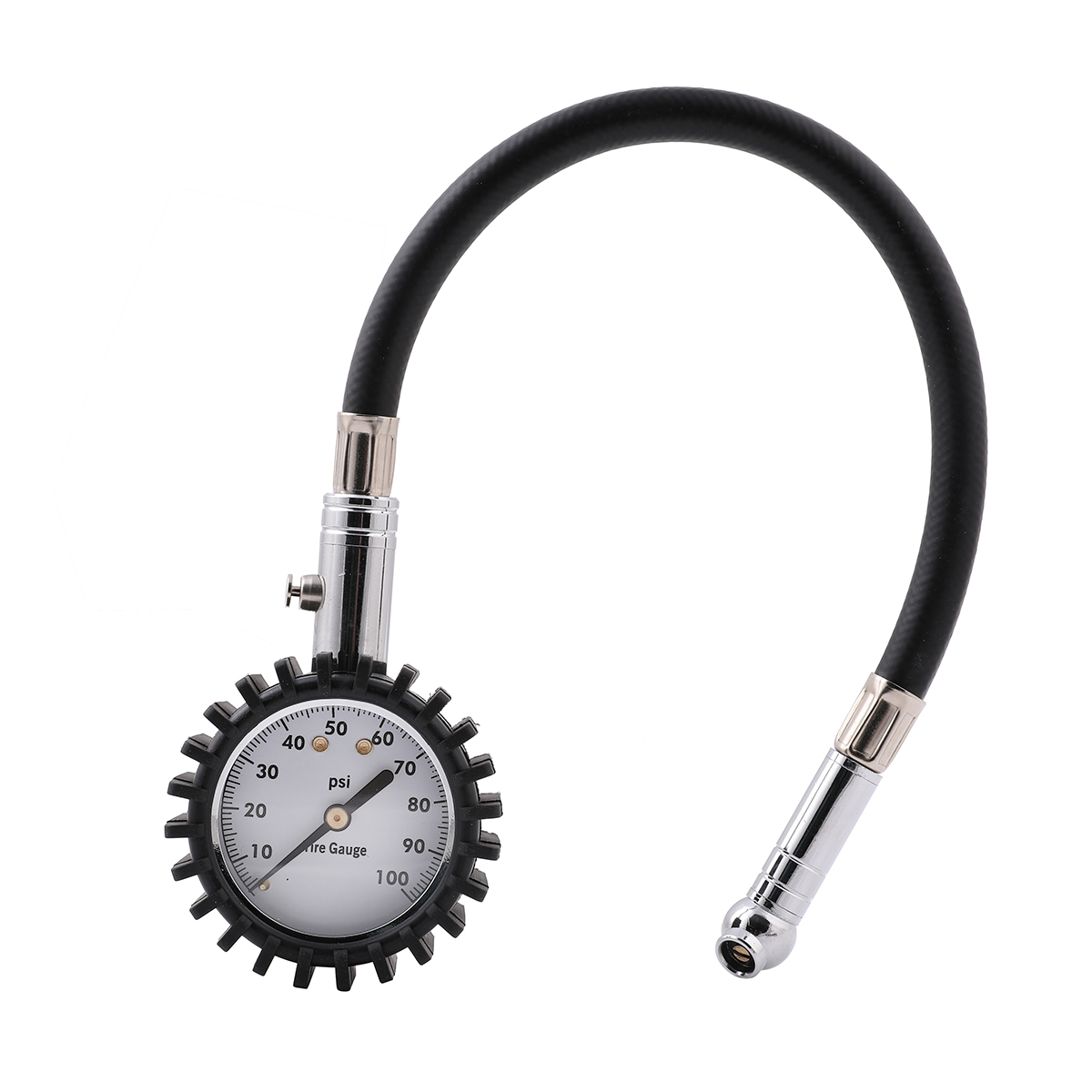
- Inflate tires to max pressure: Check your owner’s manual for the “maximum cold pressure” (higher than the recommended driving pressure) to reduce flat spots.
- Add fuel stabilizer: Pour it into a full tank (to reduce air and moisture) and run the engine for 5 minutes to circulate it through the system.
- Park on a flat, shaded surface: If possible, avoid direct sunlight or freezing temperatures. A garage is ideal, but even a car cover can help.
- Ask someone to drive it: Have a friend take it for a 10–15 minute spin every week. This recharges the battery, circulates fluids, and prevents flat spots.
The Bottom Line
Aim to drive your car at least once every 2 weeks to keep it in good shape. If you know you’ll be away longer, follow the steps above to protect your battery, tires, and engine. With a little preparation, you can avoid costly repairs and ensure your car starts smoothly when you’re ready to hit the road again.
Safe parking—and happy driving!