
How to Choose a Car Air Pump : A Step-by-Step Personalized Guide
Introduction: Find Your Perfect Match, Not Just a "Good" Pump
Choosing a car air pump isn’t about picking the most expensive or feature-packed model—it’s about finding one that aligns with your unique needs, vehicle, and lifestyle. A pump that works for a daily commuter won’t cut it for an off-roader, and vice versa. Below is a tailored, step-by-step process to narrow down your options and land on a pump that feels like it was made for you.
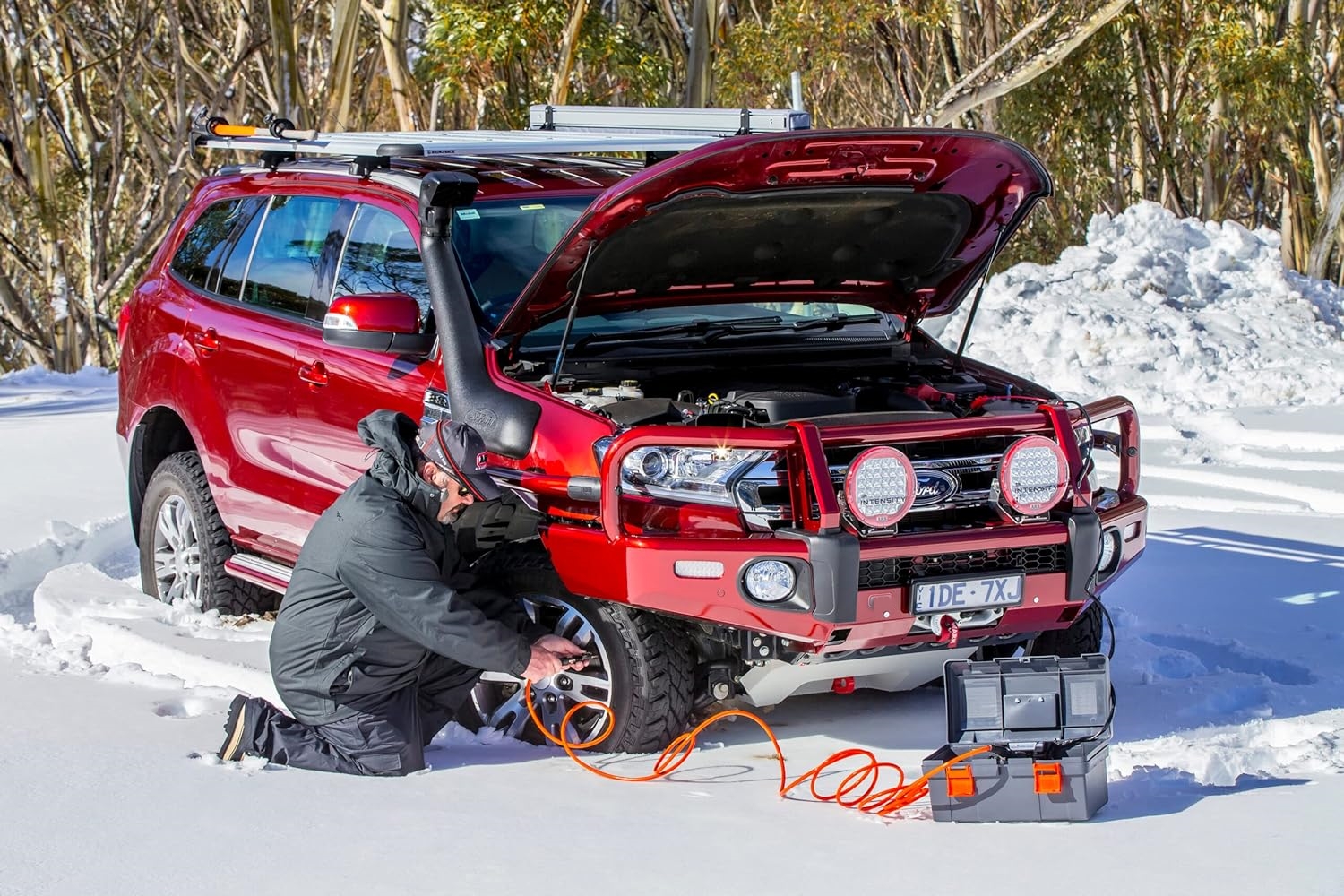
1. Start with "Your Vehicle + Usage": The Foundation of Your Choice
Your car type and how you use it will eliminate 50% of unsuitable options immediately. Ask yourself two key questions:
• What do you drive?
◦ Standard sedan/hatchback (e.g., Toyota Corolla, Honda Civic): Opt for a compact pump with 100–120 PSI (handles 30–35 PSI tire needs) and 1–1.5 CFM airflow.
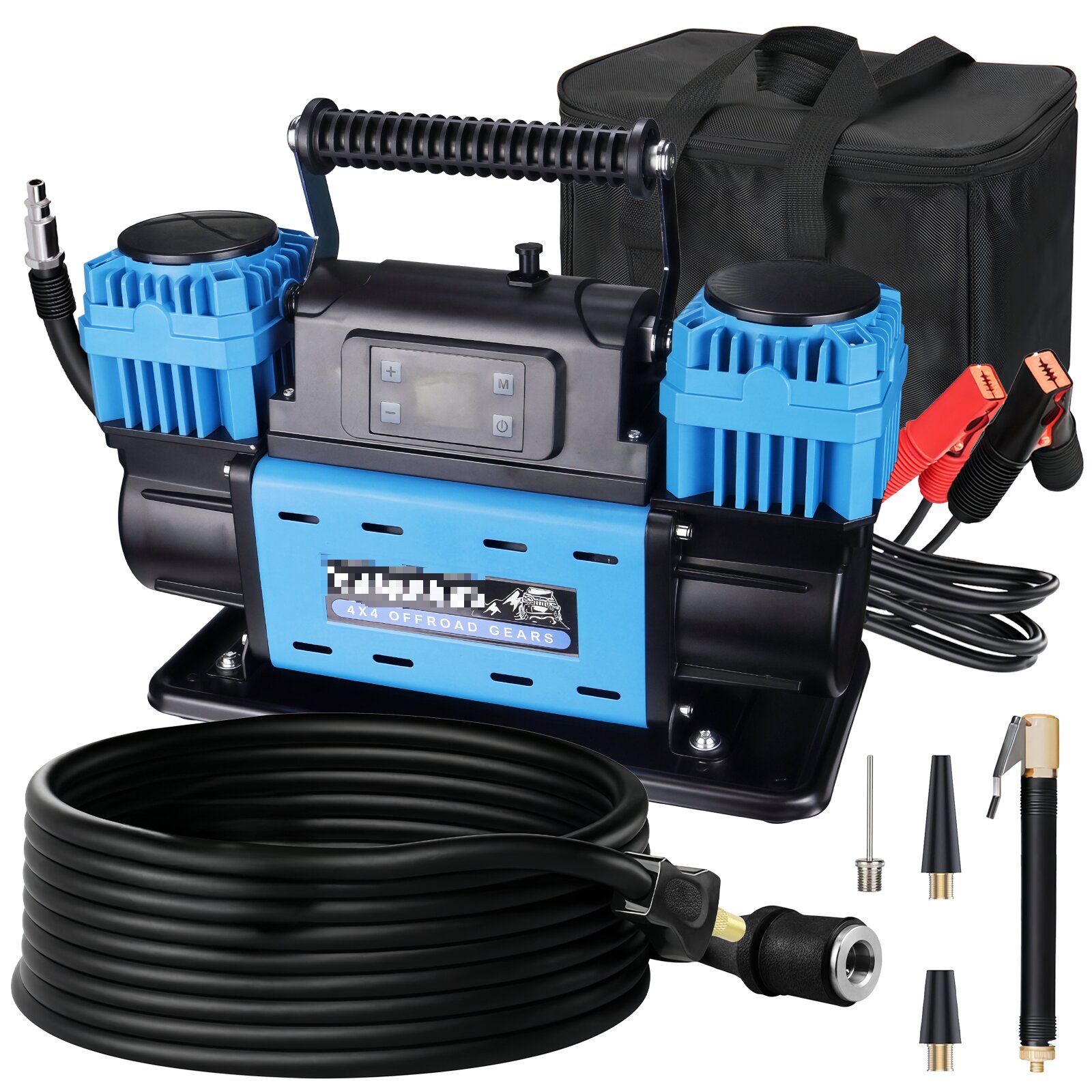
◦ SUV/truck/RV (e.g., Ford F-150, Subaru Outback): Go for a heavier-duty 12V pump with 150+ PSI and 2+ CFM—larger tires need more power to inflate quickly.
◦ Electric vehicle (EV, e.g., Tesla Model 3, BYD Dolphin): Prioritize rechargeable battery-powered pumps (20V+) or USB-C models—many EVs lack 12V outlets, and you’ll want to avoid draining the main battery.
• How will you use the pump most?
◦ Daily top-ups: If you just need to fix minor pressure drops (common for fuel efficiency), a tiny USB-C or battery-powered pump (e.g., AstroAI Mini) fits in your glove box.
◦ Emergency flat tires: A 12V cigarette lighter pump with auto-shutoff (e.g., EPAuto 12V) is reliable—keep it in the trunk for unexpected breakdowns.
◦ Multi-use (bikes, camping gear): Choose a model with interchangeable nozzles (e.g., Michelin 12296) to inflate bike tires, air mattresses, or sports balls.
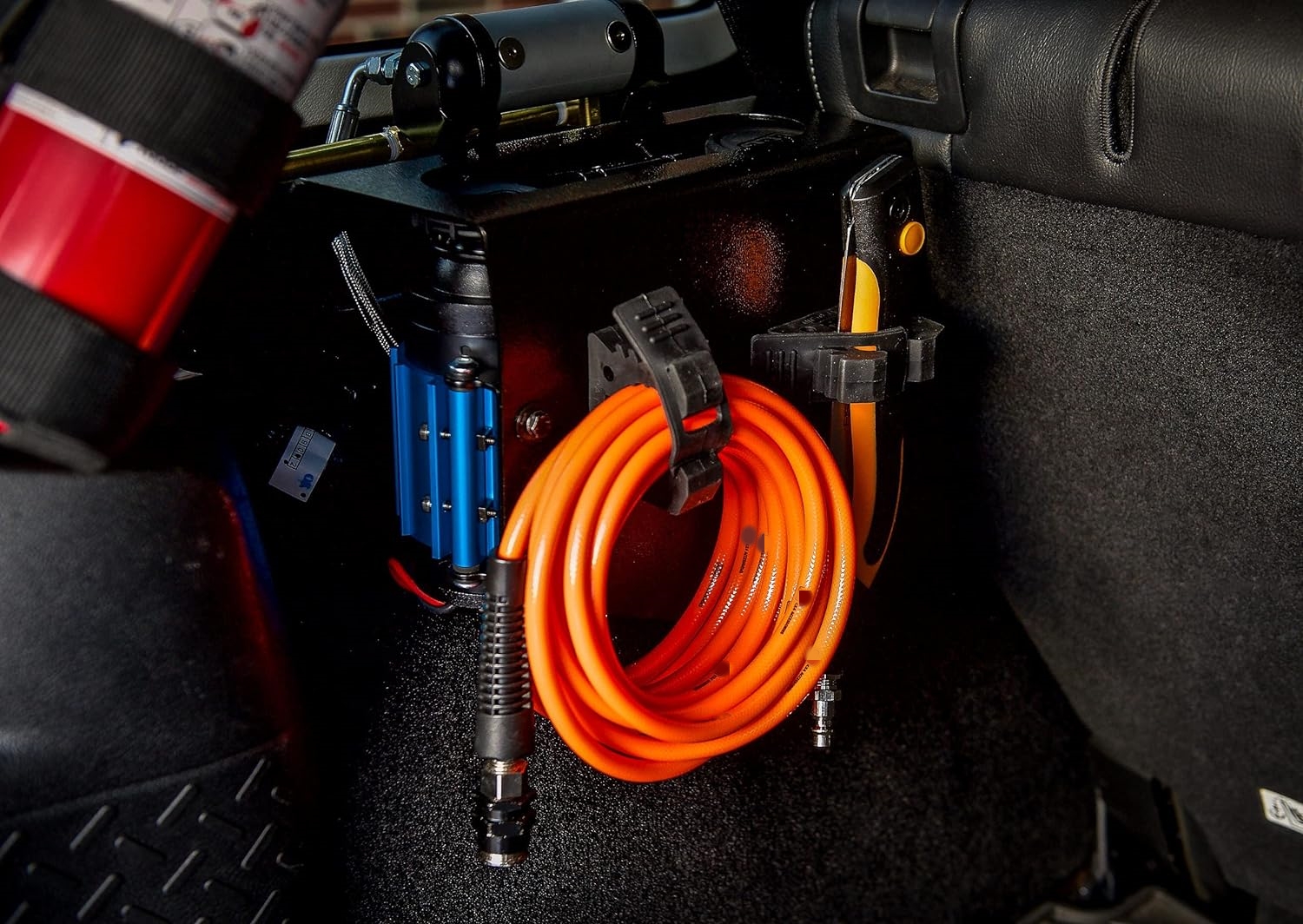
2. Match Technical Specs to Your Needs (No Jargon Required)
You don’t need to be a mechanic—just focus on three specs that directly impact your experience:
• Maximum Pressure (PSI): Always pick a pump with a max PSI higher than your tires’ required pressure (found on the driver’s side door jamb). For sedans, 100 PSI is enough; for SUVs/trucks, 150+ PSI ensures the pump doesn’t overwork.
• Airflow Rate (CFM/LPM): This = inflation speed. Sedans need 1–1.5 CFM (inflates a flat tire in 4–6 minutes); SUVs/trucks need 2+ CFM (cuts time to 2–3 minutes).
• Power Source: Choose based on convenience:
◦ 12V Cigarette Lighter: Best for in-car emergencies (most common, but requires the engine to run).
◦ Rechargeable Battery: Perfect for outdoor adventures or EVs (cordless, use anywhere).
◦ USB-C: Great for urban commuters (charges via phone adapter, but only for top-ups, not full flats).
3. Prioritize User-Friendly Features That Solve Your Pain Points
For beginners, "easy to use" beats "fancy" every time. Focus on features that fix common frustrations:
• Digital Gauge + Auto-Shutoff: Analog dials are hard to read—digital gauges (±0.5 PSI accuracy) show exact pressure, and auto-shutoff stops the pump when you hit your target (no over-inflation, no guesswork).
• Portability: If you have a small trunk or glove box, choose a pump under 3 lbs with a carrying case (e.g., EPAuto’s compact model). Skip bulky metal pumps unless you drive a truck.
• Durability: Look for reinforced hoses (avoids kinking) and weather-resistant plastic (works in rain or dirt). Trusted brands like Michelin, AstroAI, and EPAuto build pumps that last 3–5 years.
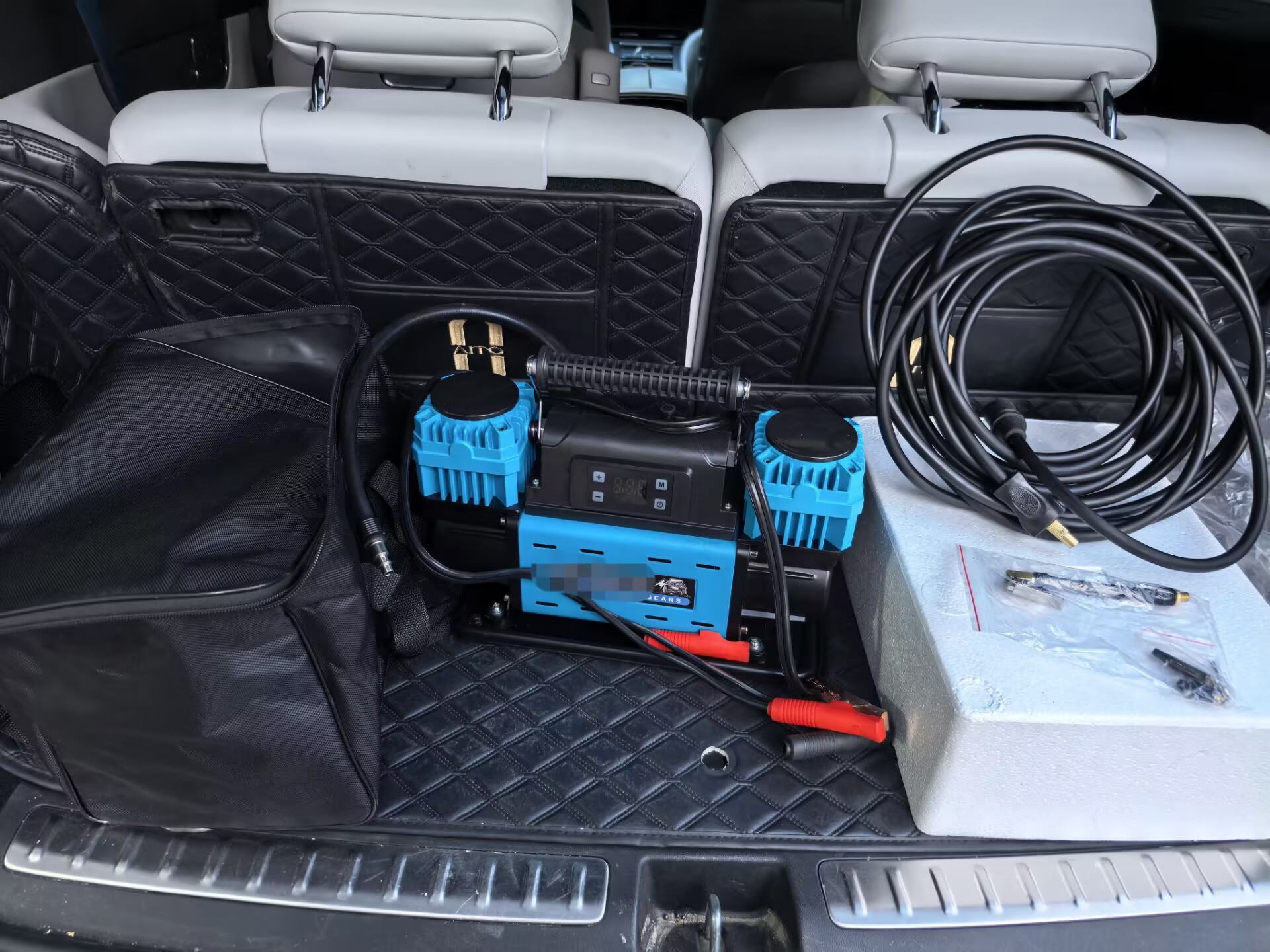
4. Set a Budget (You Don’t Need to Overspend)
Car air pumps range from 20–150, but most beginners only need a 30–60 model. Here’s how to allocate:
• 20–40: Basic 12V or USB-C pumps (great for daily top-ups and sedans).
• 40–80: Mid-range models with digital gauges, auto-shutoff, and interchangeable nozzles (best value for most users).
• $80+: Heavy-duty or battery-powered pumps (for SUVs, off-roaders, or multi-use needs).
Conclusion: Your Perfect Pump Is the One That Fits You
At the end of the day, the best car air pump is the one you’ll actually use—no matter how many features it has. By following these steps: 1) Define your vehicle and usage, 2) Match key specs, 3) Pick user-friendly features, and 4) Stick to your budget, you’ll avoid buyer’s remorse and end up with a pump that’s reliable, convenient, and tailored to your life.
For example: If you’re a city commuter with a Honda Civic who occasionally camps, a 40 12V pump with digital gauge, auto-shutoff, and interchangeable nozzles (like the AstroAI 12V Digital Pump) is your perfect match. If you’re a road tripper with a Subaru Outback, splurge on a 60 heavy-duty 12V model (e.g., Michelin 12296) for faster inflation and durability.
Invest in the right pump today, and never let a flat tire ruin your plans again!