
Over 20 years of experience in manufacturing tire gauges & automotive tools.

How to Use a Torque Wrench for Car Wheel Lugs: A Safety Critical Guide

  • Product Guide
Posted by GODESON On Nov 05 2025

How to Use a Torque Wrench for Car Wheel Lugs: A Safety Critical Guide

Tightening car wheel lugs with a torque wrench isn’t just a “nice-to-do”—it’s a safety must. Loose lugs can cause the wheel to wobble or even detach while driving, and over-tightened lugs can snap the bolts or warp the brake rotor. Follow this step-by-step guide for perfect, safe results:

Step 1: Gather Your Tools

You’ll need:

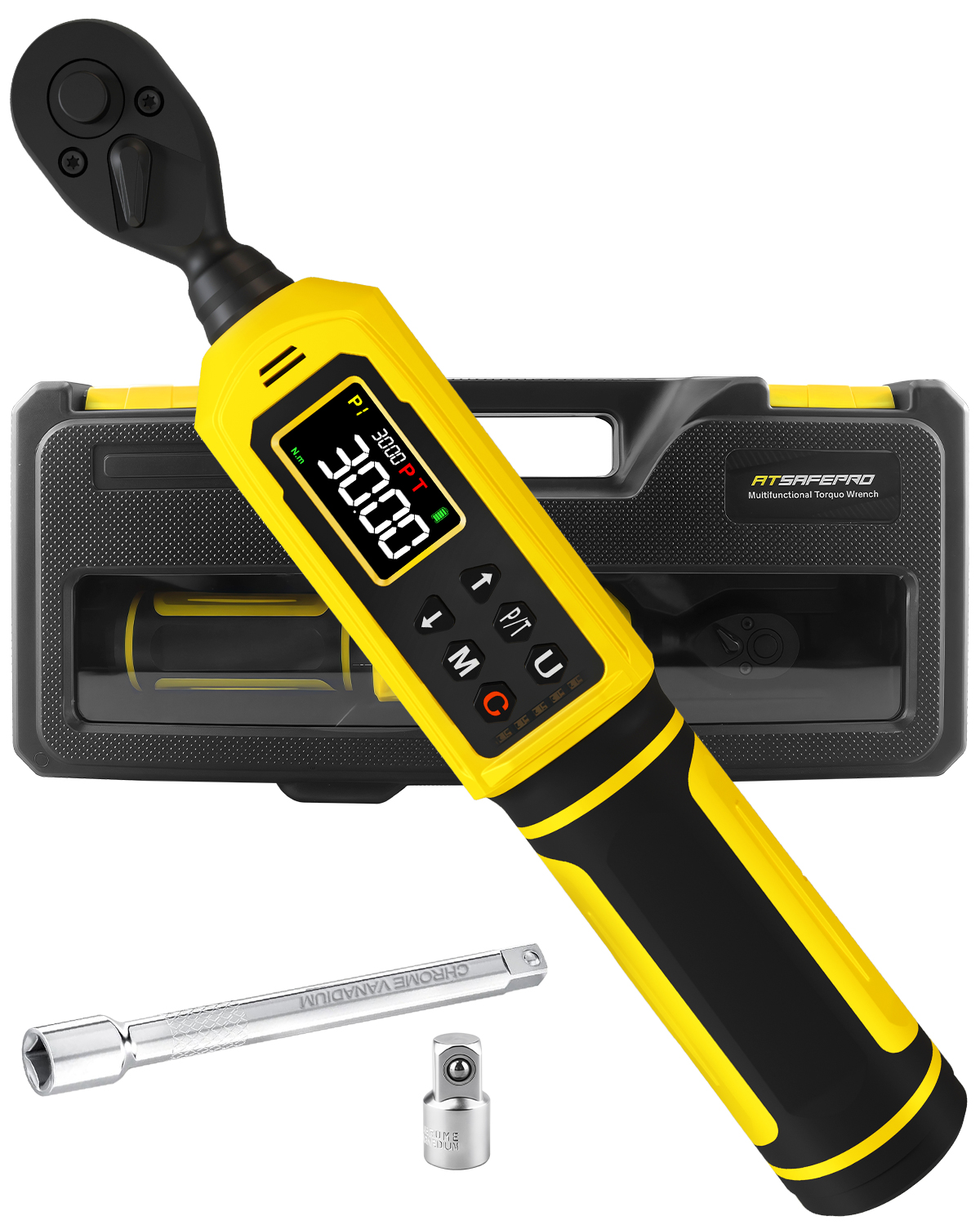
· A torque wrench (1/2” drive is best for wheel lugs—most have a 80–150 ft-lb range, which covers most cars/trucks).

· A socket that fits your wheel lugs (usually 17mm, 19mm, or 21mm—check your vehicle manual).

· A jack and jack stands (never rely on just a jack—jack stands keep the car stable while you work).

· A wire brush (to clean dirt/rust from the lug bolts and wheel hubs—debris can affect torque accuracy).

Step 2: Prep the Wheel & Lugs

1. Park the car on a flat, level surface (avoid gravel or grass—use concrete for stability).

1. Loosen the wheel lugs slightly with a regular wrench (turn counterclockwise) before jacking the car—this prevents the wheel from spinning when you lift it.

1. Jack up the car until the wheel is off the ground, then place jack stands under the frame (follow your manual’s guide for jack stand placement—never put them under the suspension).

1. Remove the loose lugs, take off the wheel, and use the wire brush to clean the lug bolts and the wheel’s hub (dirt here can make lugs feel “tight” before they’re properly torqued).

Step 3: Torque the Lugs in the Correct Pattern

1. Put the wheel back on the hub, then hand-tighten the lugs until they’re snug (don’t use any tools yet—hand-tight ensures they’re aligned).

1. Set your torque wrench to the spec from your vehicle manual (common values: 80–100 ft-lbs for cars, 120–150 ft-lbs for trucks/SUVs).

1. Tighten the lugs in a star pattern (also called a “crisscross pattern”)—this ensures even pressure on the wheel. For a 5-lug wheel, the pattern is: 1 → 3 → 5 → 2 → 4 (label the lugs 1–5 in a circle to avoid confusion).

1. Apply force slowly to the wrench—stop immediately when you hear the “click.” Repeat the pattern twice to ensure all lugs are evenly torqued (the first pass sets the base, the second confirms consistency).

Step 4: Final Checks

1. Lower the car off the jack stands and remove the jack.

1. Give each lug a quick “double-check” with the torque wrench (you shouldn’t hear a second click—if you do, the lug was under-tightened on the first pass).

1. Drive the car gently for 10–15 miles, then recheck the lugs—sometimes lugs settle slightly after initial use, and a quick retorque ensures safety.

Featured Blogs

Tag:

  • Hot Products
Share On
Featured Blogs
How to Use a Tire Inflator Gauge: A Complete Guide for Safe & Accurate Tire Maintenance

How to Use a Tire Inflator Gauge: A Complete Guide for Safe & Accurate Tire Maintenance

How to Use a Tire Inflator Gauge: A Complete Guide for Safe & Accurate Tire Maintenance 1. Why Proper Tire Pressure Matters (And Why You Need a Gauge) 2. Understanding Tire Pressure: Key Terms & Ranges 3. Types of Tire Inflator Gauges: Which One Should You Choose? 4. How to Choose the Right Tire Inflator 5. Preparing to Use Your Tire Inflator 6. Step-by-Step: How to Use a Tire Inflator Gauge 7. Tips for Maintaining Proper Tire Pressure 8. Maintaining Your Tire Inflator 9. Troubleshooting Common Issues 10. Conclusion: Make Tire Maintenance a Habit

Master Tire Care with Dual Head Pressure Gauge

Master Tire Care with Dual Head Pressure Gauge

1. Discover the Ultimate Dual Head Tire Pressure Gauge 2. Why Choose a Dual Head Tire Pressure Gauge? 3. Exploring the Features of the Dual Head Tire Gauge 4. Benefits of Using a Tire Pressure Gauge for Optimal Performance 5. Comparing Analog Tire Pressure Gauges: Why Dual Head Wins 6. Tips for Using Your Dual Head Tire Gauge Effectively

How to Choose a Car Air Pump : A Step-by-Step Personalized Guide

How to Choose a Car Air Pump : A Step-by-Step Personalized Guide

1. Start with "Your Vehicle + Usage": The Foundation of Your Choice 2. Match Technical Specs to Your Needs (No Jargon Required) 3. Prioritize User-Friendly Features That Solve Your Pain Points 4. Set a Budget (You Don’t Need to Overspend)

How to Choose a Reliable Digital Tire Pressure Gauge: ATsafepro Model Review

How to Choose a Reliable Digital Tire Pressure Gauge: ATsafepro Model Review

Need an accurate tire pressure gauge for daily driving or road trips? Discover ATsafepro’s digital tire pressure gauge with 4-unit conversion, backlit LCD display, and 360° swivel chuck—your safe driving essential.

Tire Pressure Gauge: Mastering Vehicle Safety with Precision

Tire Pressure Gauge: Mastering Vehicle Safety with Precision

1. How to Use a Tire Pressure Gauge for Optimal Vehicle Safety and Performance 2. Understanding the Basics of a Tire Pressure Gauge 3. Step-by-Step Guide to Checking Tire Pressure with a Tire Pressure Gauge 4. Advanced Tips for Using a Digital Tire Pressure Gauge 5. Why Regular Tire Pressure Checks Matter and How a Digital Tire Pressure Gauge Helps 6. Choosing the Right Tire Pressure Gauge for Your Needs

Tire Tread Depth: Why It Matters & How to Check Yours

Tire Tread Depth: Why It Matters & How to Check Yours

1. What Exactly Is Tire Tread Depth? 2. How Tread Wear Hurts Your Vehicle’s Performance 3. 3 Easy Ways to Measure Tire Tread Depth 4. When Should You Replace Your Tires? 5. Final Thoughts