
The Unseen Hero of Pressure Systems: Understanding Your Tank Valve
In countless industrial, automotive, and commercial applications, the safe and efficient management of pressurized liquids and gases is paramount. At the heart of these systems lies a critical component that is often overlooked yet fundamental to performance and safety: the tank valve. This essential device regulates the flow of substances into and out of a storage vessel, ensuring that everything from an air compressor to a complex chemical tank operates flawlessly. The integrity of the entire system, however, doesn't just rest on the valve itself, but significantly on the quality and compatibility of its accompanying tank valve fittings, which create the secure connections necessary for leak-free operation.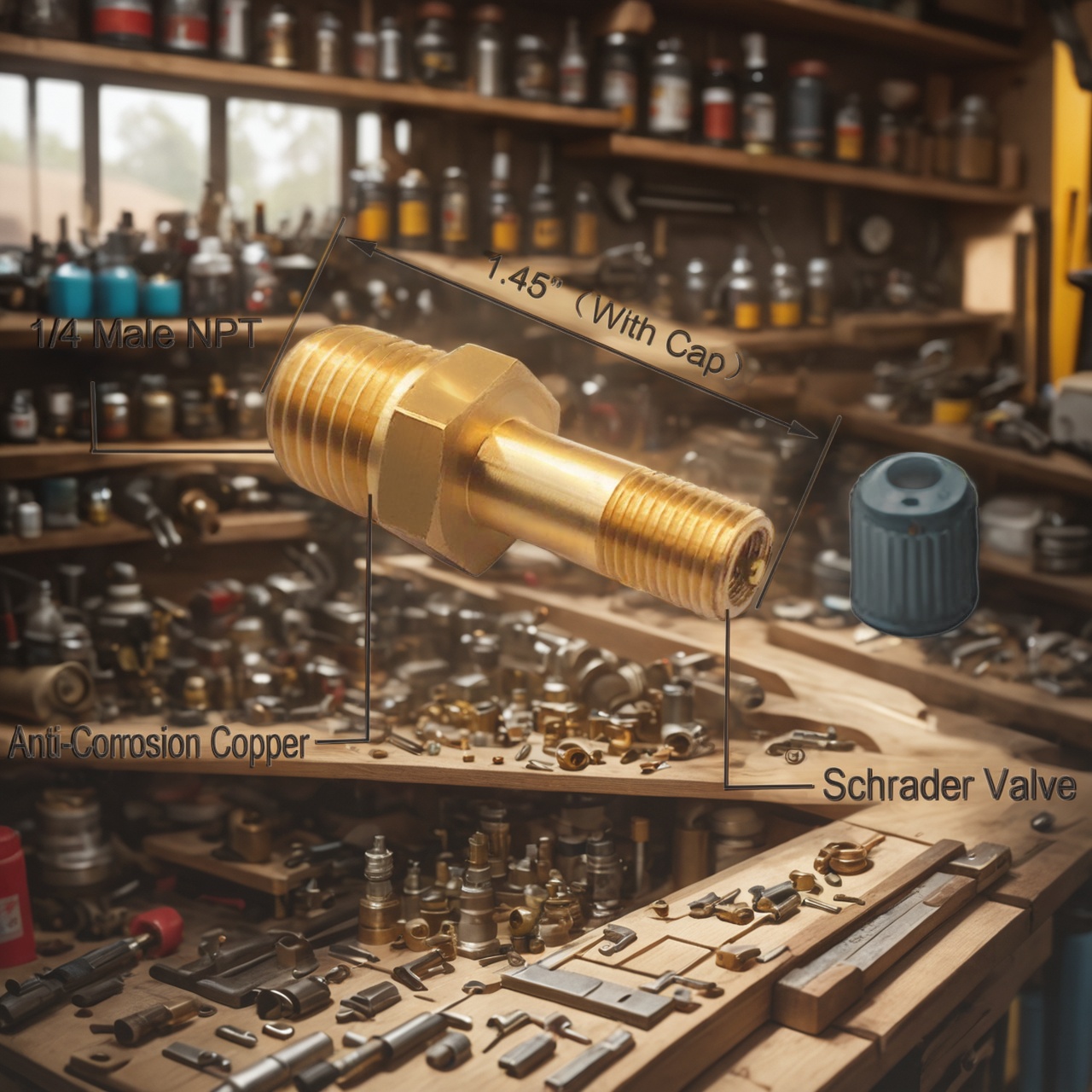
The Crucial Role of a High-Quality Tank Valve Assembly
A tank valve serves as the primary gateway for any pressure vessel. Its core function is to provide a reliable means of opening and closing the flow path, allowing for filling, dispensing, and pressure regulation. These valves are found on a vast array of equipment, including propane cylinders, scuba tanks, industrial gas containers, and vehicle air suspension systems. A failure in this single component can lead to catastrophic consequences, ranging from gradual pressure loss that compromises operational efficiency to sudden, dangerous releases of stored energy or hazardous materials. Therefore, investing in a robustly designed and manufactured valve is not a luxury but a necessity for ensuring safety, reliability, and peace of mind in any application where pressurized substances are handled.
Why Tank Valve Fittings are Non-Negotiable for System Integrity
While the valve body is the main controller, the tank valve fittings are the vital links that connect it to the rest of the system. These components, which include adapters, connectors, and couplings, are responsible for creating a secure and airtight seal between the valve and hoses, gauges, regulators, or other equipment. The importance of using the correct, high-quality fittings cannot be overstated. A mismatched thread type or a poorly constructed fitting can easily become the weakest point in the system, leading to persistent leaks, performance degradation, and potential safety risks. The choice of material is equally critical; fittings made from inferior materials can corrode, crack under pressure, or wear out prematurely, compromising the entire setup. This is why selecting the right tank valve fittings is just as important as selecting the valve itself.
A Superior Solution: The Anti-Corrosion Copper Schrader Valve Adapter
When it comes to specialized fittings, the Schrader valve adapter stands out as a quintessential tool for enhancing equipment reliability. A prime example of innovation in this space is an adapter meticulously crafted from anti-corrosion copper. This material choice is deliberate, offering unparalleled resistance against rust, moisture, and chemical degradation, ensuring longevity and premium performance even in harsh environments. A well-designed adapter, featuring a standard 1/4 Male NPT (National Pipe Thread), offers tremendous versatility, allowing for seamless integration into a wide range of automotive and industrial setups without complex modifications. This standardized sizing, combined with a durable protective cap, reflects an attention to detail that guarantees both ease of use and optimal functionality. Incorporating such a high-caliber fitting is more than just an upgrade; it is an investment in precision, durability, and operational excellence.
Best Practices for Installation and Long-Term Maintenance
Proper installation is key to unlocking the full potential of your components. When assembling a tank valve and its fittings, always ensure the threads are clean and free of debris. Using an appropriate thread sealant, such as PTFE tape or a liquid sealant rated for the specific gas or liquid, is crucial for achieving a leak-proof connection. Avoid over-tightening, as this can damage the threads or the fitting itself. Once installed, a routine maintenance schedule is essential for long-term reliability. Regularly inspect all connections for signs of wear, damage, or corrosion. Check for leaks using a soap and water solution, paying close attention to the seals and connection points. Ensuring that protective caps are always in place when the valve is not in use will prevent dirt and moisture from entering the valve mechanism, significantly extending its service life.
Conclusion: Building a Foundation of Reliability and Safety
Ultimately, the performance and safety of any pressurized system are built upon the quality of its individual components. A durable, well-made tank valve is the foundation, but its strength is entirely dependent on the integrity of the tank valve fittings that connect it to the wider application. By prioritizing high-quality materials like anti-corrosion copper and paying close attention to proper installation and maintenance, you ensure that every connection is secure and every operation is safe. Investing in superior components, such as a precision-engineered Schrader valve adapter, is a direct investment in the efficiency, longevity, and safety of your entire system.