
Understanding the Importance of a Tire Pressure Gauge
A tire pressure gauge is an essential tool for any vehicle owner, helping to ensure that your tires are inflated to the correct pressure for optimal safety and performance. Whether you're driving a sedan, SUV, or truck, maintaining proper tire pressure can prevent accidents, improve fuel efficiency, and extend the life of your tires. In this article, we'll explore the basics of a tire pressure gauge, including its types like the digital tire gauge, and practical advice on how to use tire gauge effectively for your car's needs.
Types of Tire Pressure Gauges
There are several types of tire pressure gauges available, each suited to different preferences and accuracy needs. The most common is the analog gauge, which uses a mechanical dial to display pressure readings, but for precision and ease, many opt for a digital tire gauge. A digital tire gauge provides quick, easy-to-read measurements on an LCD screen, often with features like backlighting for low-light conditions and memory functions to store previous readings. When selecting a tire gauge for cars, consider factors such as portability, battery life, and compatibility with various valve stems. High-quality digital models can measure pressures from 0 to 250 PSI, making them versatile for everything from bicycles to heavy-duty vehicles.
How to Use a Tire Gauge Properly
Learning how to use tire gauge is straightforward but crucial for accurate results. First, park your vehicle on a level surface and ensure the tires are cool, as heat can inflate pressure readings. Remove the valve cap from the tire stem, then firmly press the gauge's nozzle onto the valve. For a digital tire gauge, you'll hear a click as it seals, and the screen will display the pressure almost instantly. Release the gauge and note the reading, then compare it to the recommended PSI listed on the driver's door jamb or owner's manual for your specific tire gauge for cars. If the pressure is low, use an air compressor to add air in small increments, rechecking with the gauge each time. Always replace the valve cap to keep out dirt and moisture. This routine check can be done monthly or before long trips to maintain safety.
Benefits of Regular Tire Pressure Monitoring
Using a reliable tire pressure gauge regularly offers numerous benefits beyond just safety. Underinflated tires can reduce fuel economy by up to 3%, forcing your engine to work harder and increasing wear on the tread. Overinflated tires, on the other hand, lead to a harsher ride and uneven wear patterns. A digital tire gauge makes it simple to catch these issues early, potentially saving you hundreds of dollars in fuel and tire replacement costs annually. For families or frequent commuters, incorporating how to use tire gauge into your maintenance routine can also enhance vehicle handling, reducing the risk of blowouts on highways. Studies from organizations like the National Highway Traffic Safety Administration show that proper tire pressure contributes to shorter stopping distances and better traction in wet conditions.
Choosing the Best Tire Gauge for Cars
When shopping for a tire gauge for cars, look for models with durable construction and user-friendly designs. A good digital tire gauge should have an ergonomic grip, auto shut-off to preserve battery life, and perhaps even a deflate function for fine-tuning pressure. Budget options start around $10, while premium versions with additional features like Bluetooth connectivity for app integration can cost up to $50. Avoid cheap, unbranded gauges that may provide inaccurate readings, as they could lead to improper inflation. Reading reviews from other drivers can help identify reliable brands that excel in accuracy and longevity. Remember, investing in a quality tire pressure gauge is a small price to pay for peace of mind on the road.
Common Mistakes to Avoid with Tire Pressure Checks
Even with the best intentions, mistakes can occur when using a tire pressure gauge. One common error is checking tires when they're hot after driving, which can show falsely high pressures. Another is not bleeding excess air from overinflated tires, leading to a bumpy ride. With a digital tire gauge, ensure the batteries are fresh to avoid erroneous displays. Also, don't forget the spare tire—many forget to check it, only to find it's flat when needed most. By following proper steps on how to use tire gauge, you can sidestep these pitfalls and keep your vehicle running smoothly.
Advanced Features in Modern Tire Gauges
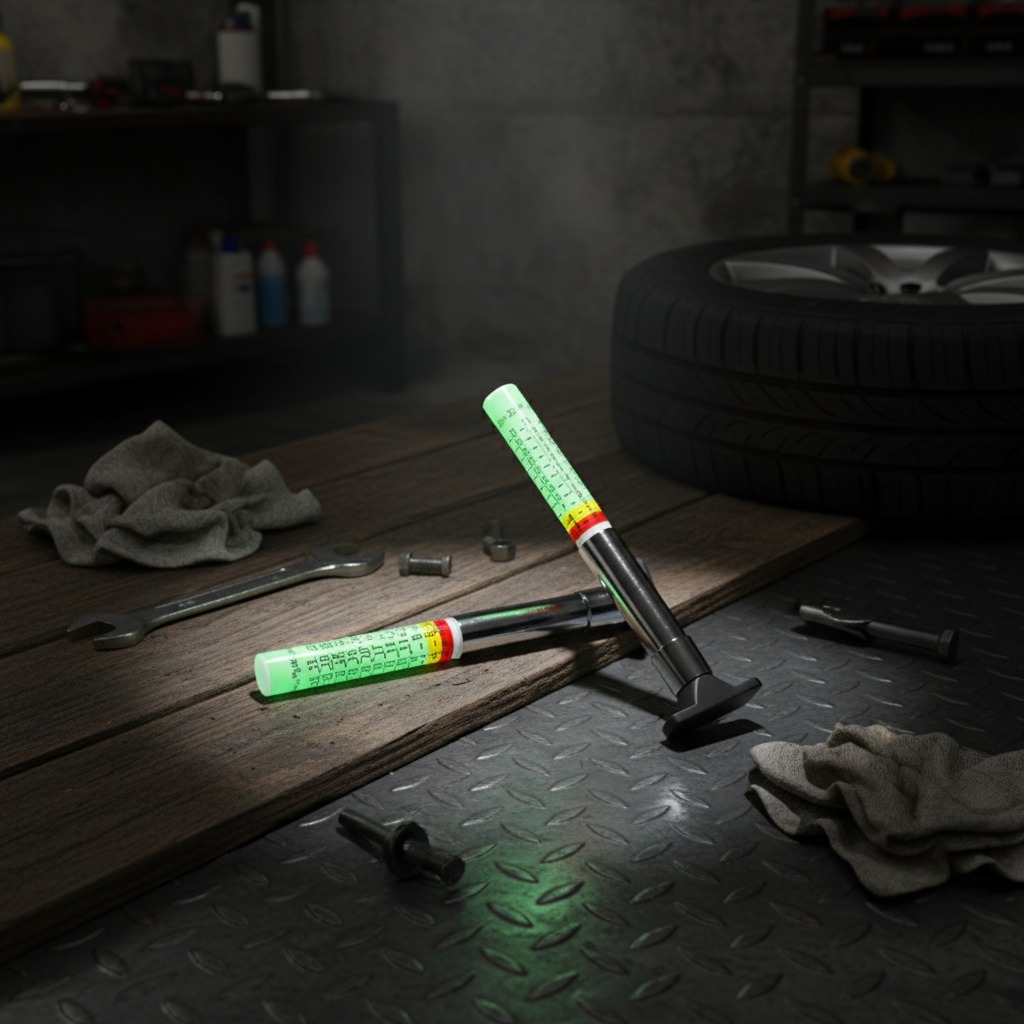
Today's tire pressure gauges go beyond basic readings. Advanced digital tire gauge models include programmable alerts that beep if pressure is outside the ideal range for your specific tire gauge for cars. Some even connect to your smartphone via apps, allowing you to track pressure history and set reminders for checks. These features are particularly useful for fleet managers or those with multiple vehicles. Additionally, pencil-style gauges are compact alternatives for quick roadside checks, though they lack the precision of digital options. Exploring these innovations can make tire maintenance more efficient and integrated into your daily routine.
DIY Tire Maintenance Tips
Incorporating a tire pressure gauge into your DIY maintenance arsenal empowers you to handle basic car care at home. Beyond pressure checks, rotate your tires every 6,000 miles and inspect for uneven wear, which could indicate alignment issues. Pairing this with how to use tire gauge knowledge ensures comprehensive care. If you're unsure about your vehicle's specs, consult the manual or a trusted mechanic. Regular attention to tire health not only saves money but also promotes environmental benefits by reducing rolling resistance and emissions.
In summary, a well-chosen tire pressure gauge is indispensable for safe and efficient driving. By mastering how to use tire gauge and selecting a reliable digital tire gauge, you'll enhance your vehicle's performance and longevity. Make it a habit to check pressures routinely, and enjoy the confidence that comes with well-maintained tires.