
Understanding and Mastering the Torque Wrench: A Technical Guide
In the realm of mechanical precision, the torque wrench stands as an indispensable tool for applying exact amounts of torque to fasteners, ensuring structural integrity and safety in assemblies. Whether tightening lug nuts on a vehicle or securing bolts in machinery, this device measures and controls rotational force, preventing over-tightening that could strip threads or under-tightening that might lead to failures. As we delve into the technical intricacies of the torque wrench, we'll explore its design, functionality, and application, drawing on principles from physics and engineering to highlight why it's essential for professionals and enthusiasts alike.
The Fundamental Mechanics of a Torque Wrench
At its core, a torque wrench operates on the principles of torque, defined as the product of force and the perpendicular distance from the axis of rotation, typically measured in Newton-meters (Nm) or foot-pounds (ft-lb). The tool's mechanism relies on a calibrated spring or beam that deflects under applied force until it reaches the preset torque value, at which point it signals the user—often through a click or a visual indicator—to stop applying pressure. This precision stems from the elastic properties of the internal components, where the spring constant (k) in Hooke's Law (F = -kx) dictates the deflection for a given force, ensuring accuracy within ±2-4% as per industry standards like those from the ASME B107.300 specification.
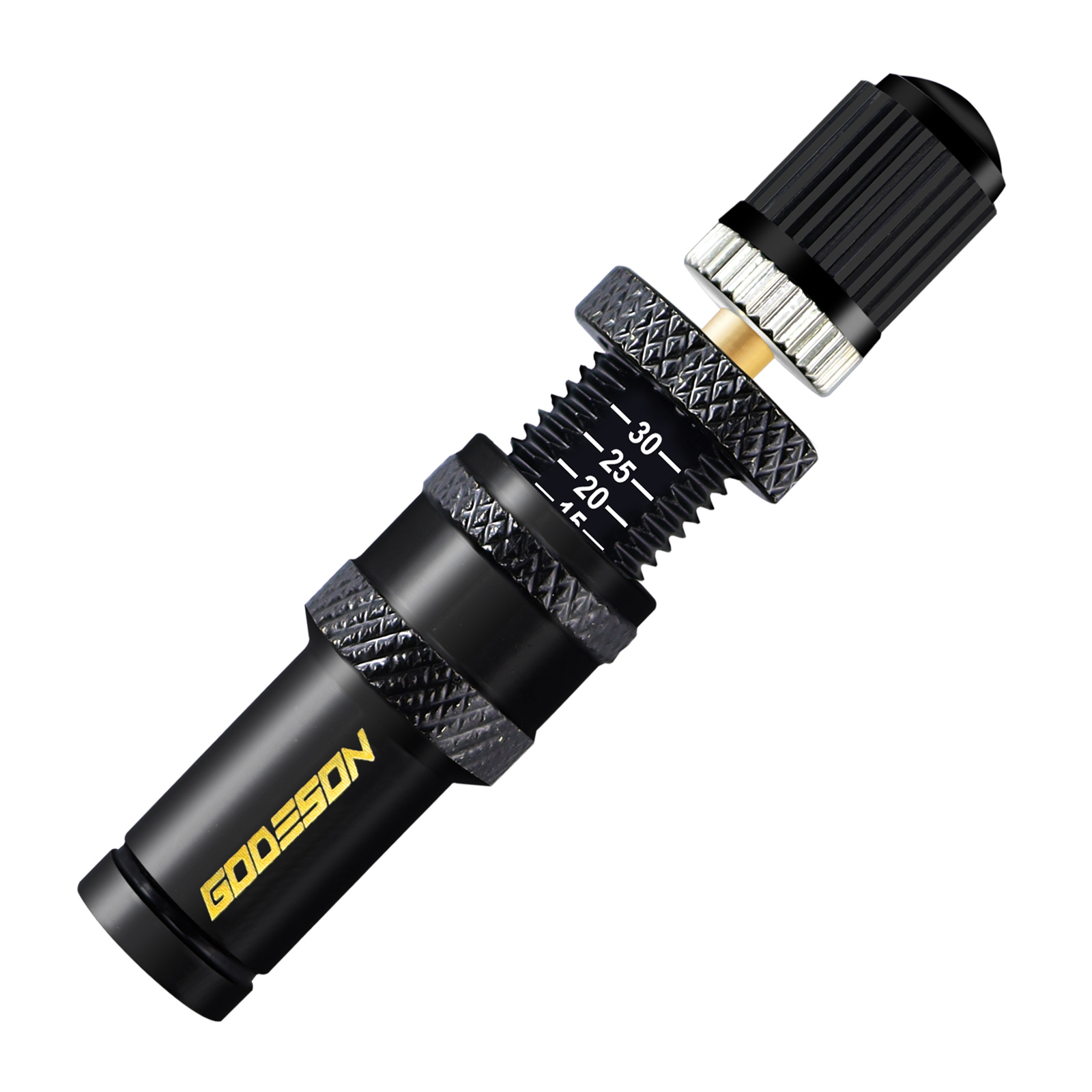
Modern torque wrenches incorporate micrometer-style adjustments, allowing users to dial in exact values via a secondary scale on the handle. For instance, the wrench's beam or lever arm length—often between 250mm to 600mm—amplifies the applied force at the end, calculated as τ = r × F, where r is the arm length and F is the force. This design minimizes user error, as the calibration accounts for the tool's geometry, making it reliable across a torque range of 10-200 Nm for common automotive uses. Durability is enhanced through hardened steel construction, resistant to fatigue and corrosion, ensuring the wrench maintains calibration over thousands of cycles.
Types and Technical Specifications of Torque Wrenches
Torque wrenches come in various types, each suited to specific technical requirements. The click-type torque wrench, the most prevalent, uses a torsion bar or preloaded spring that slips at the set torque, producing an audible click and a tactile release. Its internal adjustment sleeve compresses the spring to the desired setting, with markings engraved for 1 Nm increments in high-precision models. Beam-type torque wrenches, on the other hand, employ a flexible beam and a pointer that slides along a scale, offering visual feedback without moving parts, ideal for low-torque applications like electronics where click mechanisms might introduce variability.
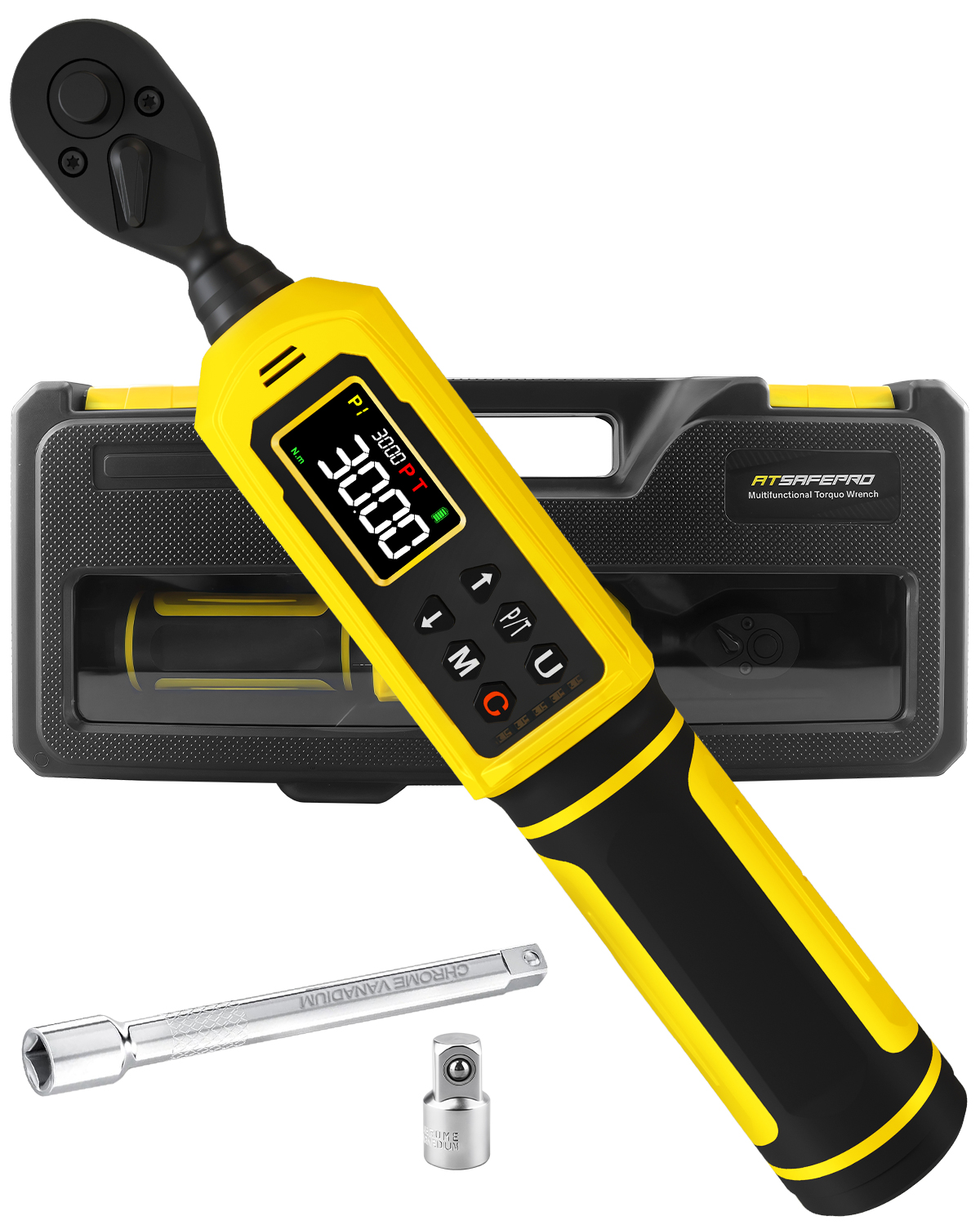
Digital torque wrenches integrate electronic sensors, such as strain gauges, to measure deformation and convert it to torque via Wheatstone bridge circuits, displaying values on an LCD with data logging capabilities. These advanced variants achieve accuracies of ±1%, far surpassing mechanical models, and often include angle measurement for torque-to-yield bolts, where rotation beyond a point is critical—think of head bolts in engines requiring 90-degree turns post-initial torque. Specifications to consider include drive size (1/4", 3/8", 1/2"), maximum torque (up to 1000 Nm for industrial use), and extension compatibility, ensuring the wrench interfaces seamlessly with sockets via square drives that transmit force without slippage.
Practical Applications and Calibration Techniques
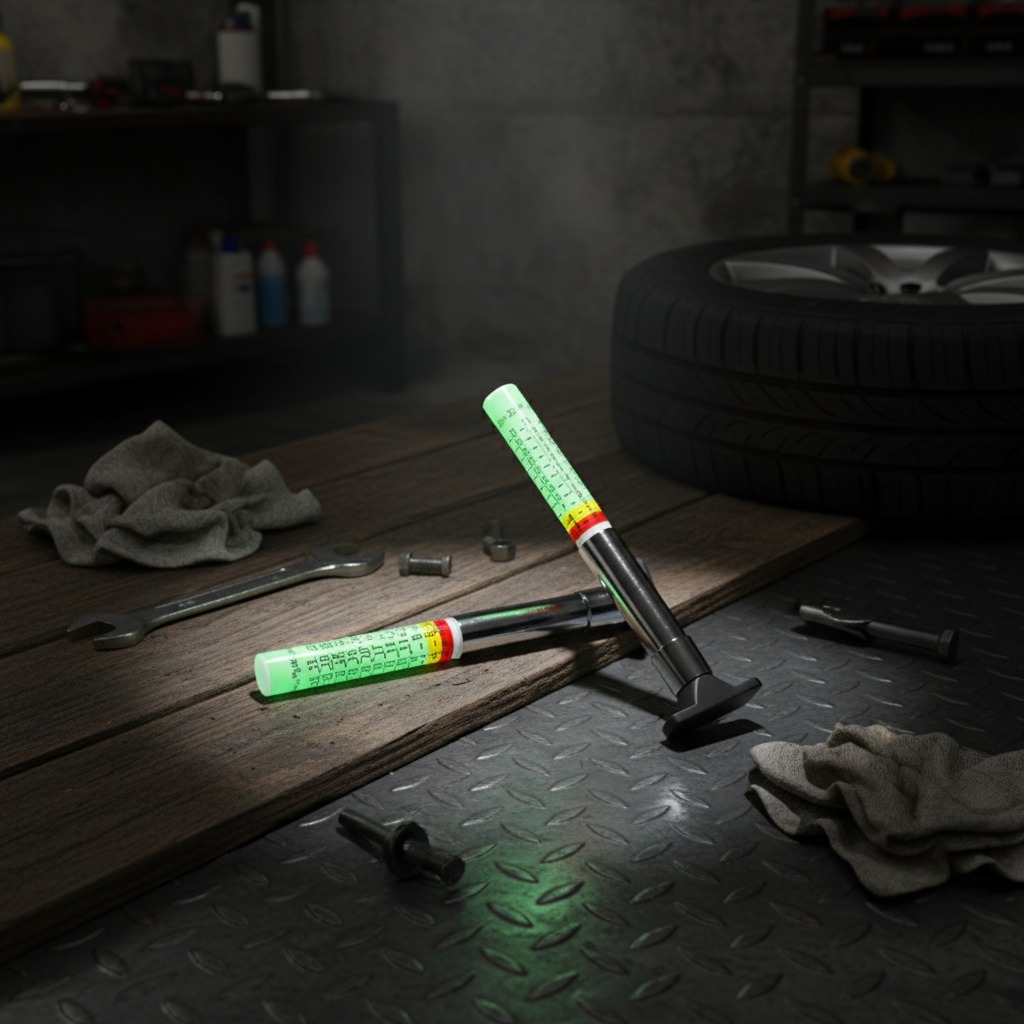
In automotive repairs, the torque wrench ensures wheel lug nuts are tightened to manufacturer specs, typically 90-120 Nm for passenger cars, preventing rotor warping or hub failures. For bicycle maintenance, lower settings around 30-40 Nm secure handlebar stems without crushing carbon fiber components. The tool's versatility extends to aerospace and manufacturing, where torque control prevents catastrophic failures under load, adhering to standards like ISO 6789 for calibration intervals—recommended annually or after 5,000 uses.
Calibration involves verifying the wrench against a known torque standard using a torque tester, which applies controlled force while monitoring deflection. Technicians adjust the internal mechanism if readings deviate, often by shimming the spring or recalibrating the scale. Environmental factors like temperature affect accuracy, as metal expansion alters the effective length; thus, operating between 10-40°C is advised. Users must zero the wrench before storage to relieve spring tension, extending lifespan and maintaining precision.
Advanced Features in Contemporary Torque Wrench Designs
Today's torque wrenches incorporate ergonomic enhancements and smart technologies for superior handling and data integration. An ergonomic grip, often rubberized, reduces hand fatigue during prolonged use, distributing pressure evenly to comply with OSHA ergonomics guidelines. Quick-release ratcheting heads allow 5-degree swing arcs for tight spaces, multiplying efficiency in confined engine bays. Some models feature LED indicators or Bluetooth connectivity, transmitting torque data to apps for real-time auditing, crucial in quality-controlled environments like assembly lines.
Durability testing per ANSI standards subjects these tools to drop tests from 1 meter and vibration cycles, confirming they retain calibration. For heavy-duty applications, hydraulic torque wrenches use fluid pressure to generate thousands of Nm, with multipliers that step up input torque by ratios like 30:1, ideal for oil rigs or wind turbines. Material science plays a role too; chrome-vanadium steel alloys provide tensile strengths over 1000 MPa, resisting deformation under high loads.
Best Practices for Using and Maintaining a Torque Wrench
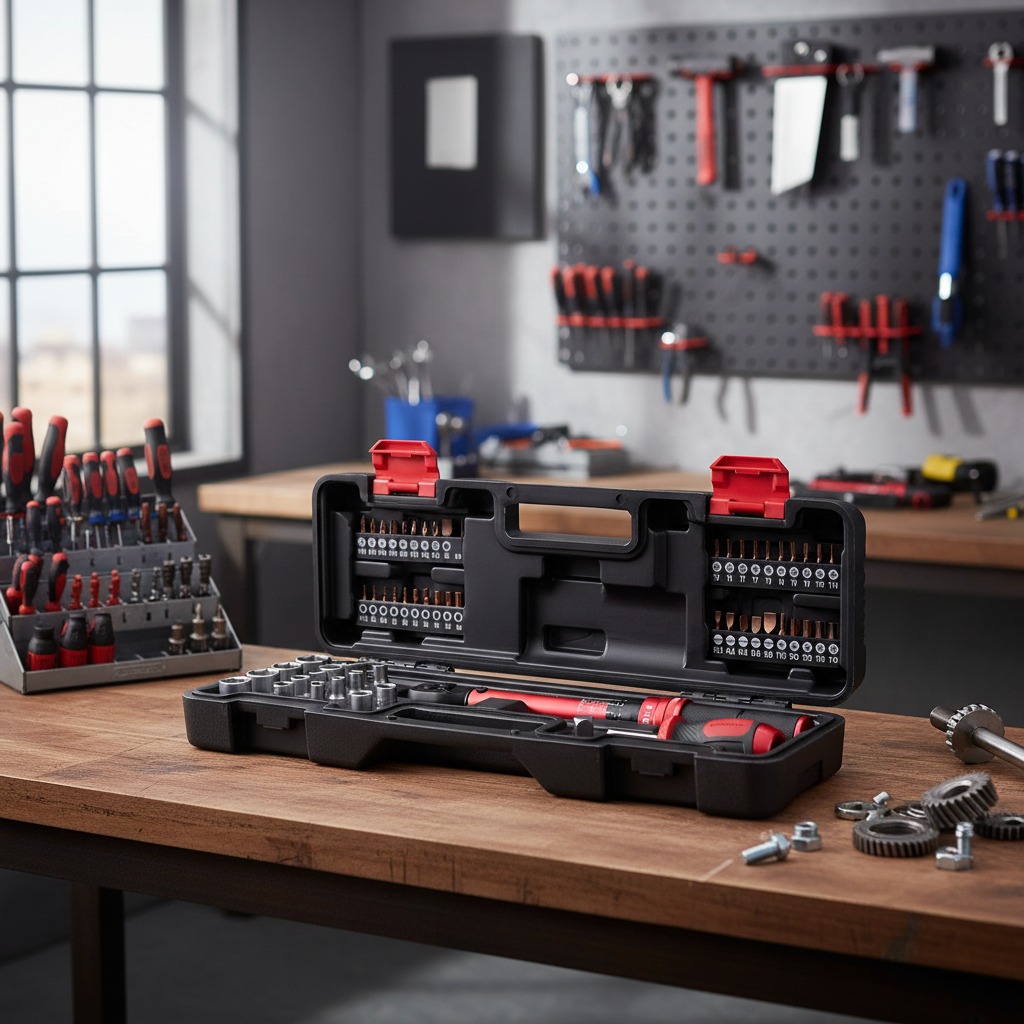
To maximize the torque wrench's effectiveness, always approach fasteners squarely to avoid side-loading, which skews measurements. Use in a clockwise direction unless specified, as counterclockwise settings can damage the mechanism. Post-use, clean with non-abrasive wipes and store in a padded case to prevent impact damage. Regular maintenance includes checking for play in the head and verifying scale legibility, with professional servicing every 12 months for critical applications.
In summary, the torque wrench embodies precision engineering, transforming raw force into controlled application across industries. By understanding its mechanics—from spring dynamics to digital integration—users can achieve reliable results, safeguarding equipment and enhancing safety. Investing in a quality torque wrench not only boosts workflow but ensures compliance with technical standards, making it a cornerstone of any serious toolkit.