
Understanding the Importance of a Tire Thread Depth Gauge
When it comes to vehicle safety, few things are as crucial as maintaining proper tire conditions. A tire thread depth gauge is an essential tool for any driver, helping to measure the depth of the tread on your tires accurately and efficiently. This simple yet vital device ensures that your tires meet legal and safety standards, preventing accidents caused by worn-out treads. In this article, we'll explore why a tire thread depth gauge should be part of your regular maintenance routine, how it works, and tips for using one effectively.
Tires are the only point of contact between your vehicle and the road, and their tread depth directly impacts grip, handling, and braking performance, especially in wet or slippery conditions. Most countries mandate a minimum tread depth of 1.6 mm (about 2/32 of an inch) for legal driving, but experts recommend replacing tires when they reach 3.2 mm (4/32 inch) for optimal safety. Without a reliable way to check this, drivers often overlook gradual wear, leading to dangerous situations. That's where a tire thread depth gauge comes in, offering precise readings that go beyond visual inspections.
How a Tire Tread Depth Tool Enhances Your Maintenance Routine
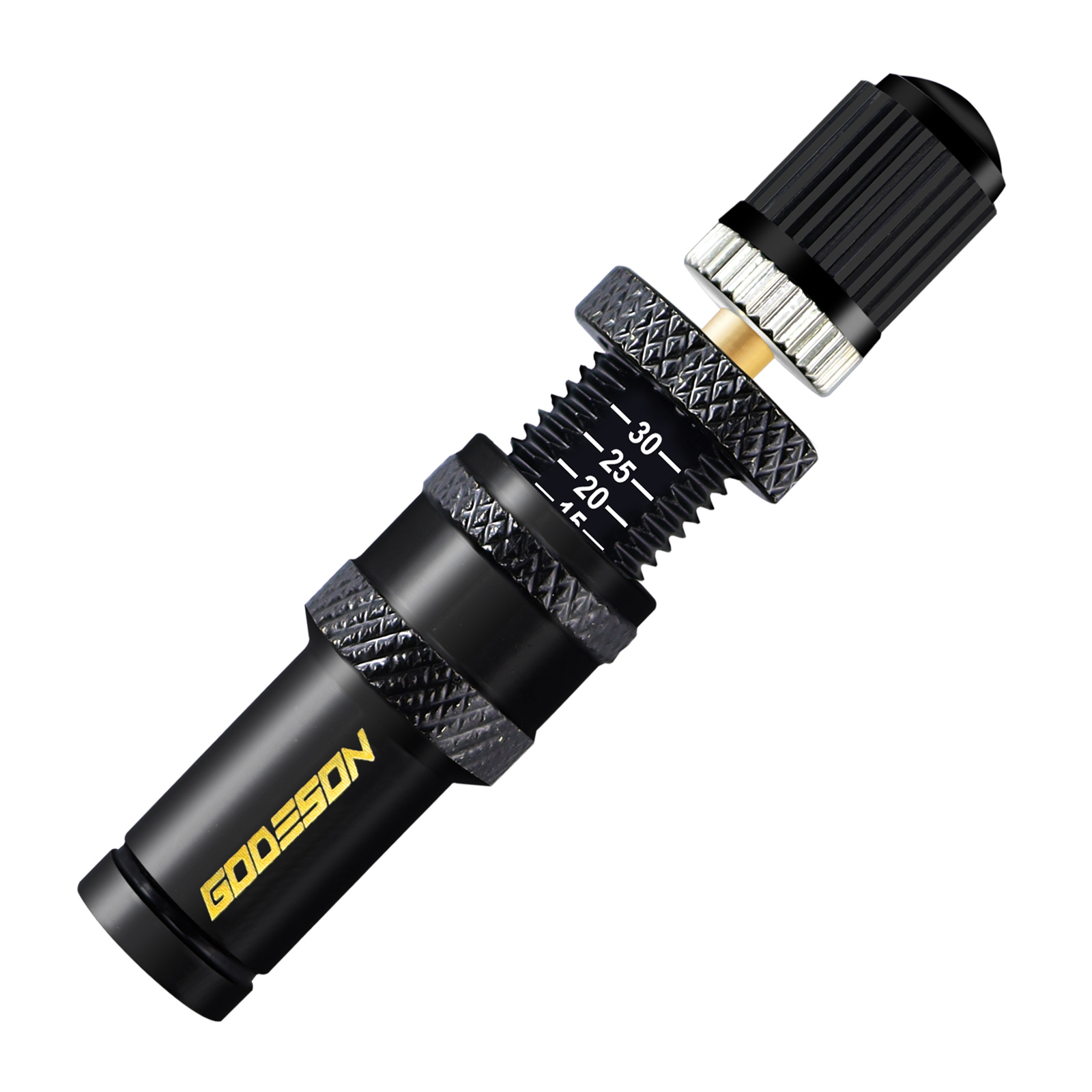
A tire tread depth tool, often synonymous with a tire thread depth gauge, is designed for quick and easy use, making it accessible for both professional mechanics and everyday car owners. These tools typically feature a sliding probe or digital display that slides into the tire's grooves to measure depth in millimeters or fractions of an inch. Unlike guessing by looking at the tire's wear bars, a dedicated tire tread depth tool provides objective data, helping you track wear patterns across all four tires.
Incorporating a tire tread depth tool into your monthly vehicle check can save you from costly surprises. For instance, uneven tread wear might indicate alignment issues or improper inflation, which a tire thread depth gauge can help identify early. Many models are compact, fitting easily in your glove compartment, and some even include features like LED lights for nighttime checks or multiple measurement scales for versatility. By using this tool regularly, you're not just complying with regulations; you're proactively extending the life of your tires and enhancing overall road safety.
Choosing the Right Tire Thread Depth Gauge for Your Needs
Selecting the best tire thread depth gauge depends on your specific requirements, whether you're a DIY enthusiast or a fleet manager. Basic mechanical versions are affordable and straightforward, with a notched stem that corresponds to depth markings—simply insert until it stops, then read the level against the scale. For more precision, digital tire tread depth tools offer instant readouts and data logging capabilities, ideal for those who want to monitor trends over time.
Consider factors like durability, ease of reading, and compatibility with your vehicle type when picking a tire thread depth gauge. High-quality options are made from rust-resistant materials like stainless steel or reinforced plastic, ensuring longevity even with frequent use. Some advanced tire tread depth tools integrate with mobile apps, allowing you to store measurements and receive alerts for when tires need attention. Remember, accuracy is key, so opt for tools calibrated to industry standards to avoid false readings that could compromise safety.
Step-by-Step Guide to Using a Tire Tread Depth Gauge
Using a tire thread depth gauge is straightforward, but following proper steps ensures reliable results. Start by parking your vehicle on a level surface and ensuring the tires are clean—remove any debris from the grooves with a brush for accurate measurements. Locate the main tread grooves, avoiding the shoulders where wear might be uneven. Insert the probe of your tire thread depth gauge into the groove at several points around the tire, such as the center, inner, and outer edges, and note the lowest reading.
For a comprehensive check with your tire tread depth tool, measure all four tires under similar conditions, ideally when they're cold to avoid temporary inflation changes affecting the readings. If any tire falls below the recommended depth, mark it for replacement. This process, which takes just a few minutes, can be done quarterly or after long trips. Pro tip: Rotate your tires as per manufacturer guidelines to promote even wear, making your tire thread depth gauge readings more consistent over time.
Common Mistakes to Avoid with Tire Tread Depth Tools
While a tire thread depth gauge is user-friendly, certain pitfalls can lead to inaccurate assessments. One common error is measuring only one spot on the tire, ignoring circumferential and lateral wear patterns that a thorough tire tread depth tool check would reveal. Always measure multiple points to get an average depth. Another mistake is neglecting to calibrate digital models; many require occasional zeroing to maintain precision.
Additionally, confusing tread depth with overall tire wear indicators, like the built-in TWI (Tread Wear Indicator) bars, can be misleading—while helpful, they only show when depth reaches the legal minimum, not optimal levels. Rely on your tire thread depth gauge for detailed insights. Finally, don't forget to check spare tires; they can degrade in storage, and a quick tire tread depth tool measurement could prevent roadside emergencies.
The Long-Term Benefits of Regular Tire Thread Depth Monitoring
Investing time in using a tire thread depth gauge pays dividends in safety, savings, and peace of mind. By catching wear early, you avoid hydroplaning risks in rain, improve fuel efficiency through better rolling resistance, and extend tire lifespan, potentially saving hundreds on premature replacements. Studies from organizations like the National Highway Traffic Safety Administration highlight that inadequate tread depth contributes to thousands of accidents annually, underscoring the value of tools like the tire tread depth tool.
Beyond individual drivers, businesses with vehicle fleets benefit immensely from standardized tire thread depth gauge protocols, reducing downtime and maintenance costs. As technology advances, expect even smarter tire tread depth tools with Bluetooth connectivity and AI-driven wear predictions. In essence, making a tire thread depth gauge a staple in your toolkit isn't just about compliance—it's about responsible driving that protects you, your passengers, and others on the road.
In conclusion, whether you're hitting the highway for a road trip or commuting daily, prioritizing tread depth with a reliable tire thread depth gauge is non-negotiable. This small device empowers you to make informed decisions, ensuring your tires perform at their best. Stay safe, check often, and drive with confidence.