
Essential Tire Maintenance Tips for New Drivers
Your car’s tires are its unsung heroes, working tirelessly to keep you grounded, safe, and in control. For new drivers, understanding basic tire maintenance isn’t just about extending their lifespan—it’s about ensuring every drive feels secure. Neglecting tires can lead to poor handling, increased fuel costs, or even accidents. To help you keep your tires in top shape, here’s a straightforward guide to essential care habits.
1. Check Tread and Pressure Regularly
Tire health starts with two simple checks: tread depth and pressure. Make these part of your weekly routine, and you’ll catch issues before they escalate.
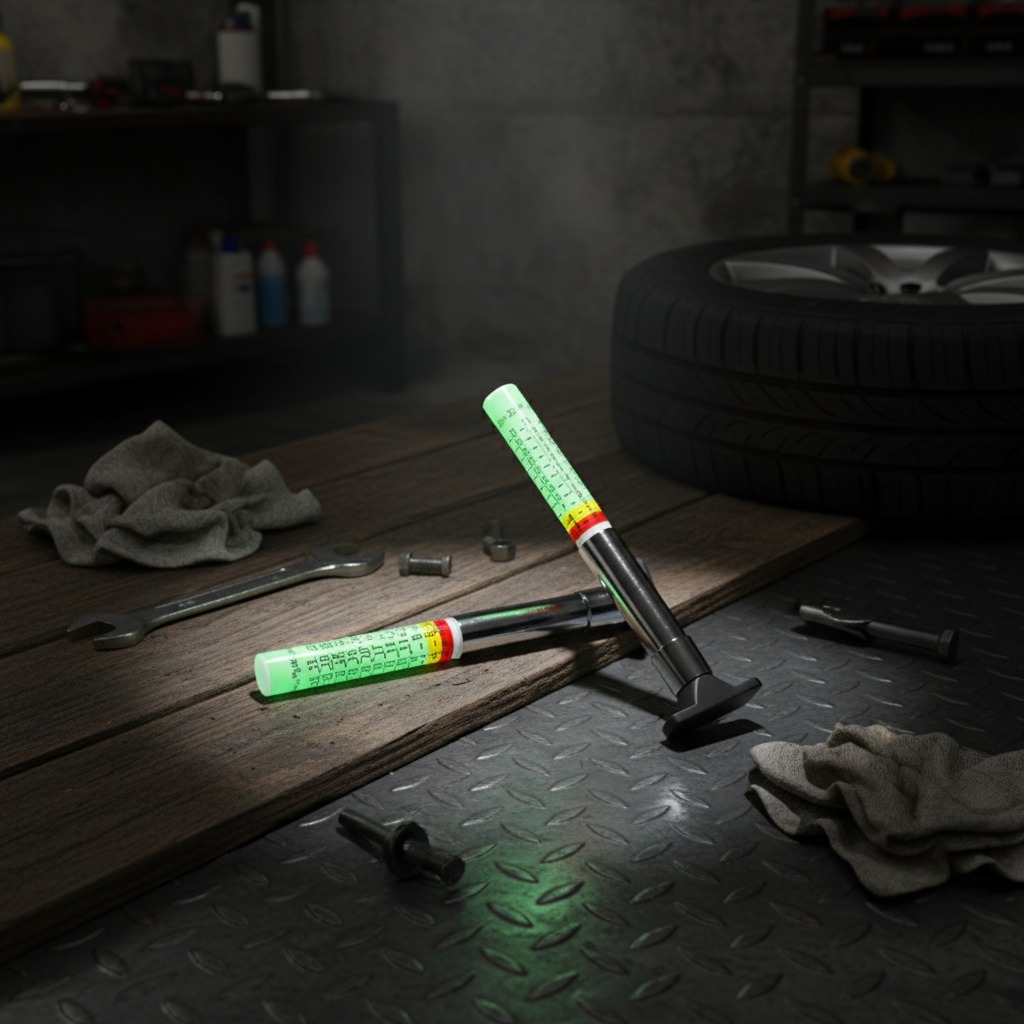
- Tread depth: As covered in our guide to replacing tires, tread is critical for grip. Use the penny test (insert a penny with Lincoln’s head down—if you see his entire head, tread is too low) or check the built-in wear bars. Worn tread increases hydroplaning risk in rain, so address it promptly.
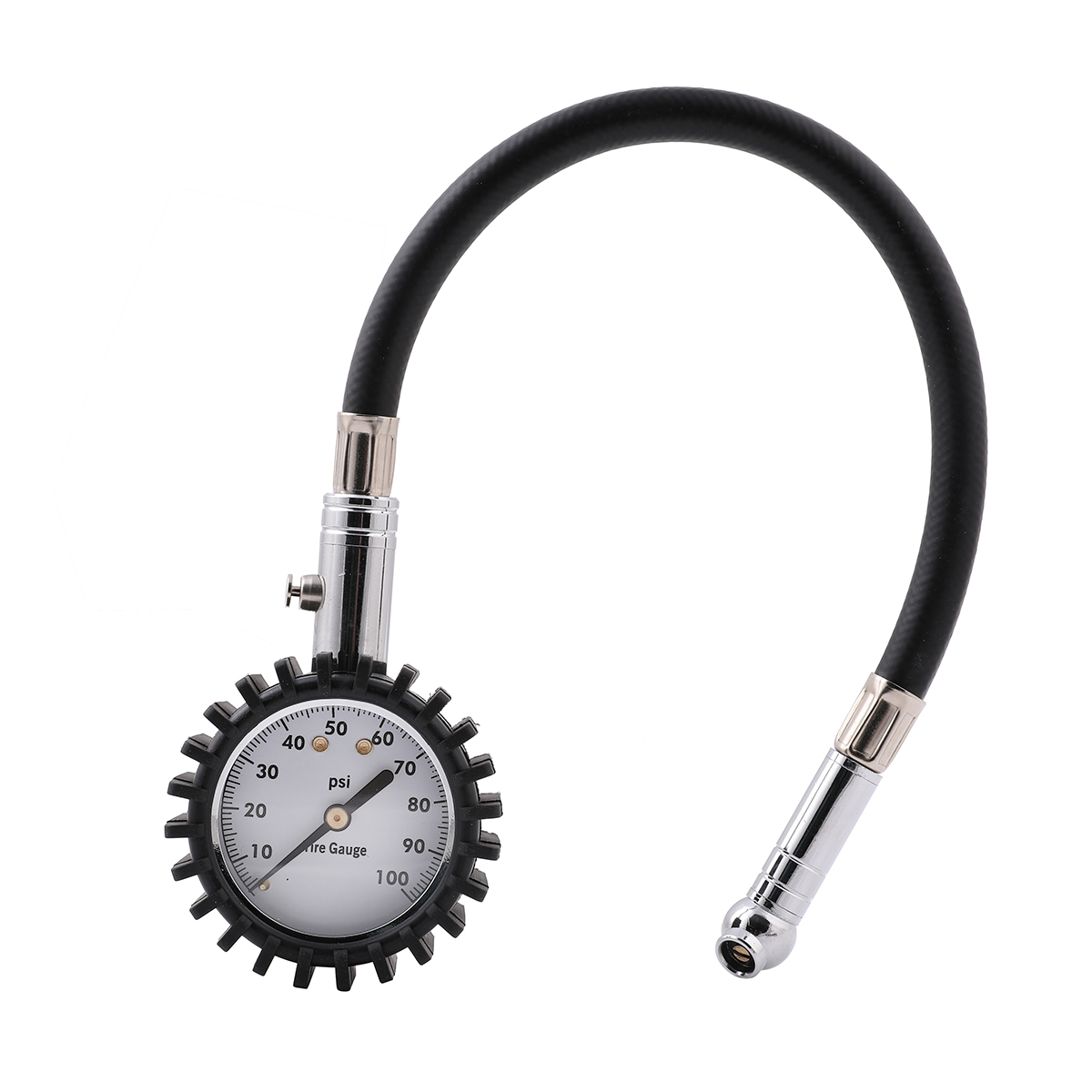
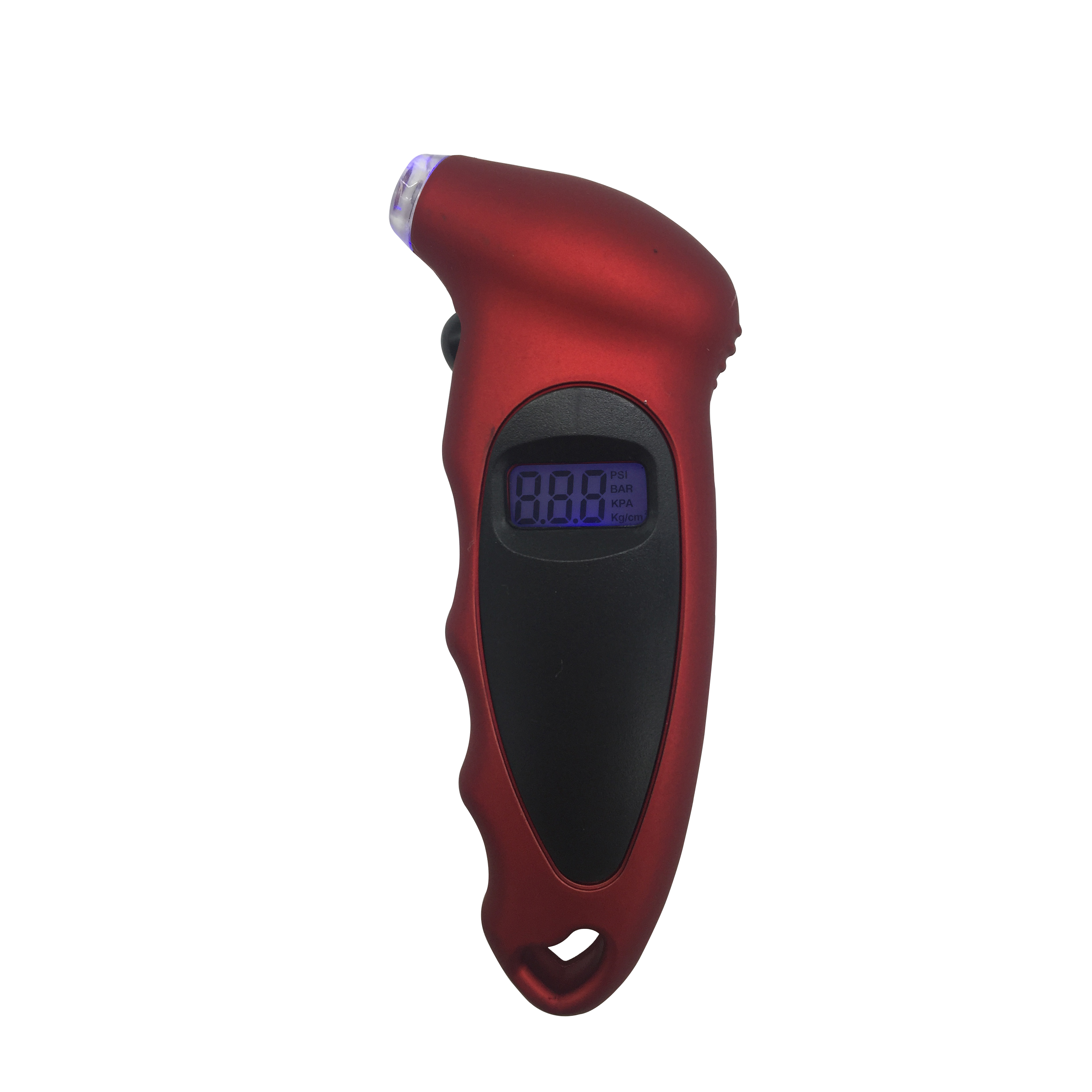
- Tire pressure: Underinflated tires waste fuel and overheat; overinflated ones reduce traction. Check pressure when tires are cold (after sitting 3+ hours) using a reliable gauge. Refer to your car’s door jamb sticker for the recommended PSI, not the number on the tire itself. Don’t forget the spare tire—its pressure should be checked every 6 months.
2. Keep Tires Clean (Yes, It Matters)
Dirt, grime, and debris might seem harmless, but they can damage your tires over time. Brake dust (a mix of metal particles and chemicals) is corrosive and can eat away at rubber if left unchecked. Road salt in winter is even worse—it accelerates dry rot, especially on older tires.
How to clean them:
- Rinse tires with a hose to remove loose dirt.
- Use a soft brush and mild soap (avoid harsh chemicals) to scrub the tread and sidewalls.
- Pay extra attention to the space between tread blocks, where small stones often get stuck. These can puncture tires or wear down tread unevenly—pick them out with a screwdriver or your fingers.
3. Rotate Tires to Ensure Even Wear
Front and rear tires wear differently: front tires (which handle steering and braking) often wear faster, especially on front-wheel-drive cars. Uneven wear shortens tire life and can make your car pull to one side.
- When to rotate: Most manufacturers recommend rotating tires every 5,000–7,500 miles (check your owner’s manual). If you notice uneven tread (e.g., more wear on one edge), rotate them sooner.
- How to rotate: The pattern depends on your car’s drivetrain (front-wheel, rear-wheel, or all-wheel drive). A mechanic can do this quickly during an oil change, or ask them to show you the correct pattern if you want to try it yourself.
4. Avoid Potholes and Curb Hits
New drivers are more likely to scrape curbs or hit potholes—small mistakes that can cause big tire damage. Potholes can create bulges (signs of broken internal cords), while curb hits often slice sidewalls or bend rims, which then damage tires.
- Stay alert: Scan the road ahead for potholes, especially after rain when they’re harder to spot. Slow down if you can’t avoid one—speed increases the force of impact.
- Park carefully: When parallel parking, leave extra space between your tires and the curb. A gentle tap might seem harmless, but repeated hits weaken sidewalls over time.
5. Protect Tires from Extreme Conditions
Tires hate extremes. Hot weather makes rubber expand and wear faster; cold weather causes pressure drops and stiffens rubber, reducing traction.
- In summer: Park in shade when possible to avoid prolonged sun exposure, which accelerates dry rot. Check pressure more often—heat can cause sudden drops.
- In winter: Keep pressure at the higher end of the recommended range (for better traction on snow). If you live in a snowy area, consider winter tires—they’re designed with softer rubber and deeper tread to grip icy roads.
- Long-term storage: If you’re not driving for weeks (e.g., during a vacation), park on a flat, dry surface. Avoid leaving the car on grass or dirt, which can trap moisture and damage tires.
Final Thought: Tires Reflect Your Driving Habits
Smooth driving—avoiding sudden stops, sharp turns, and speeding—goes a long way in preserving tire life. For new drivers, treating your tires with care isn’t just about maintenance; it’s about building safe, responsible habits that will serve you for years.
By following these tips, you’ll keep your tires reliable, your drives smoother, and your wallet happier. After all, a little effort now saves you from costly replacements (or worse) later.
Safe travels!
Related products: