
Rainy weather demands more from your tires than just adequate tread—small adjustments to your care routine can prevent hydroplaning and extend tire life. Many drivers only check tread depth for rain, but other steps are just as important.
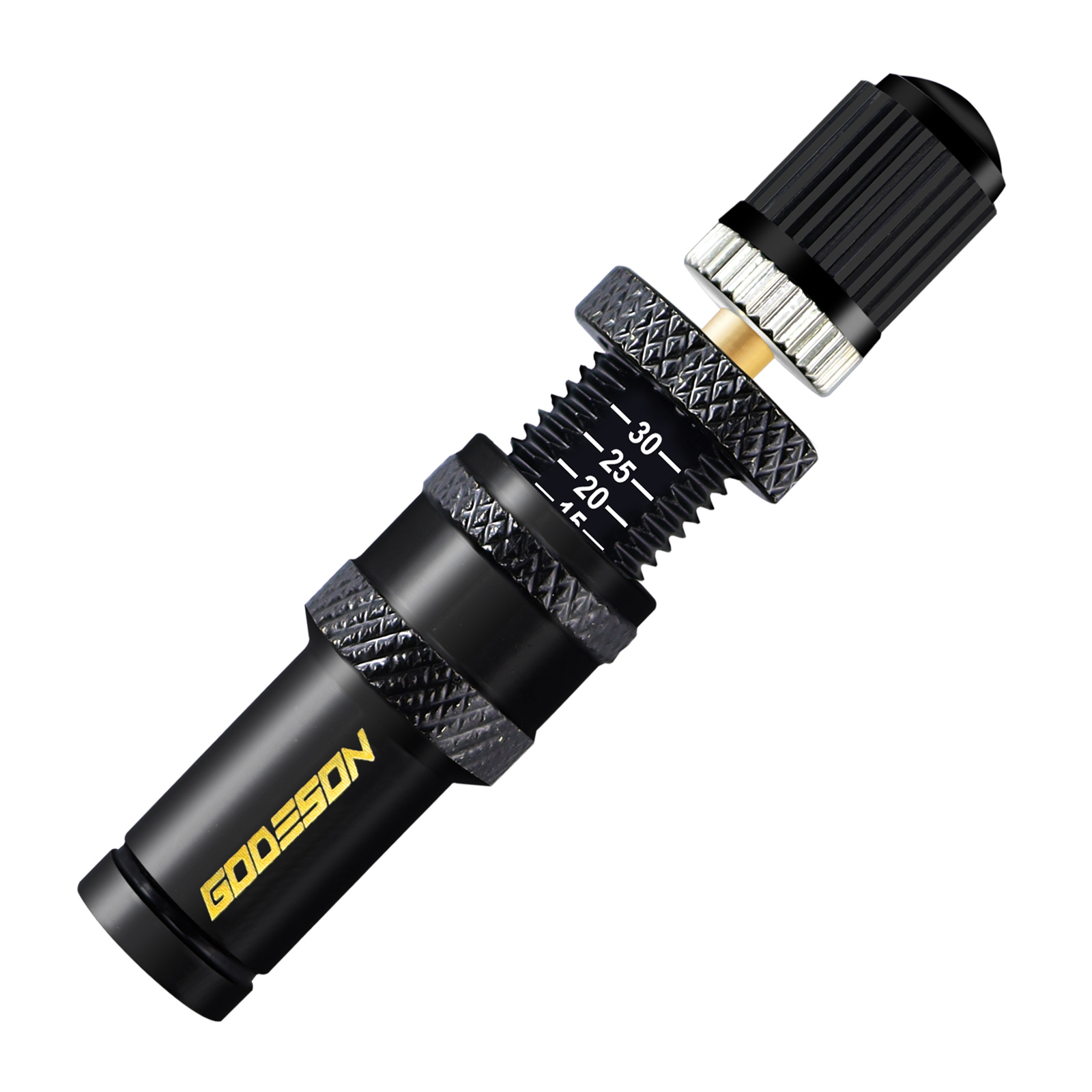
First, adjust tire pressure for wet conditions. Cold rain can lower tire pressure slightly, so check it before driving in heavy rain. Underinflated tires have a larger contact patch with the road, which can trap more water and increase hydroplaning risk. Inflate tires to the manufacturer’s recommended pressure (not the maximum) for better water dispersion.
Avoid driving through deep puddles. Puddles can hide potholes or debris that damage tires, and deep water can cause hydroplaning even with good tread. If you must drive through water, slow down to 30 mph or less—this gives the tread time to channel water away.
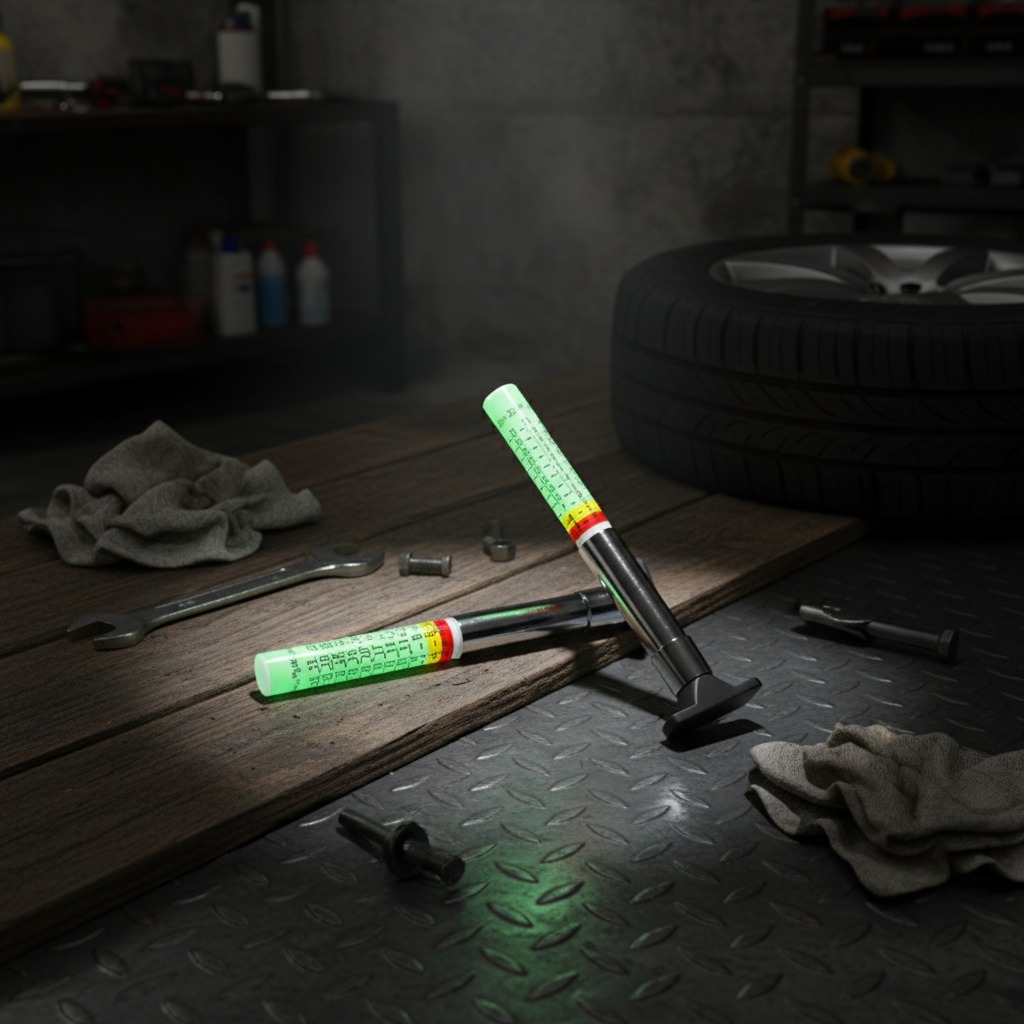
After rain, inspect your tires. Look for cuts or punctures from hidden debris, and check if water has gotten into the valve stem (a sign of a faulty cap). Wipe down the tires to remove road grime that can break down rubber over time. These small steps keep your tires ready for the next rainy day.