

Many drivers neglect spare tires, but a well-maintained spare is critical for safety—and protecting your primary tires from further damage. Check the spare tire’s pressure monthly, following the vehicle manufacturer’s recommendations (spares often require higher pressure than regular tires). Inspect for cracks, dry rot, or damage, even if it’s never been used—rubber degrades over time, so a 10-year-old spare may be unsafe. If your vehicle has a temporary “donut” spare, note its speed and mileage limits (typically 50 mph and 50 miles) and replace it with a full-size tire as soon as possible. For full-size spares, include them in rotation schedules to ensure even wear. Storing the spare in a clean, dry location (avoiding extreme temperatures) prevents rubber degradation. By maintaining your spare, you avoid being stranded with a damaged tire and prevent overusing a worn primary tire.
Spare Tire Maintenance: Don’t Overlook the Backup
- Product Guide
- Company news

Essential Tyre Tread Depth Gauge for Safety & Performance
1. Understanding the Importance of a Tyre Tread Depth Gauge for Vehicle Safety 2. Mastering Tire Tread Depth Measurement Techniques 3. How to Measure Tire Tread Depth: A Step-by-Step Guide 4. Choosing the Right Tire Depth Gauge Tool for Your Needs 5. The Benefits of Using a Tire Tread Depth Checker Regularly 6. Introducing Our Precision Tyre Tread Depth Gauge 7. Advanced Tips for Tire Maintenance with Your Gauge

Advanced Torque Wrench Tips, Maintenance, and Common Mistakes to Avoid
Torque Wrench Calibration: Why It’s Essential for Accuracy Proper Torque Wrench Maintenance to Extend Its Lifespan Common Torque Wrench Mistakes Even Experienced Mechanics Make When to Replace Your Torque Wrench

The Ultimate Pre-Trip Inspection Checklist for RVs and Travel Trailers: Avoid Roadside Headaches Before You Go
The Ultimate Pre-Trip Inspection Checklist for RVs and Travel Trailers: Avoid Roadside Headaches Before You Go 1. Tires: The #1 Most Critical Component (Don’t Skip This) 2. Hitch & Coupler: Secure Your Most Important Connection 3. Lights & Electrical: Stay Visible and Legal 4. Brakes: Reliable Stopping Power for Every Terrain 5. Cargo & Load Security: Prevent Sway and Shifting 6. Living Systems Check: For RVs and Trailers with Amenities 7. Pack an Emergency Kit: Prepare for the Unexpected Make Pre-Trip Inspections a Non-Negotiable Habit
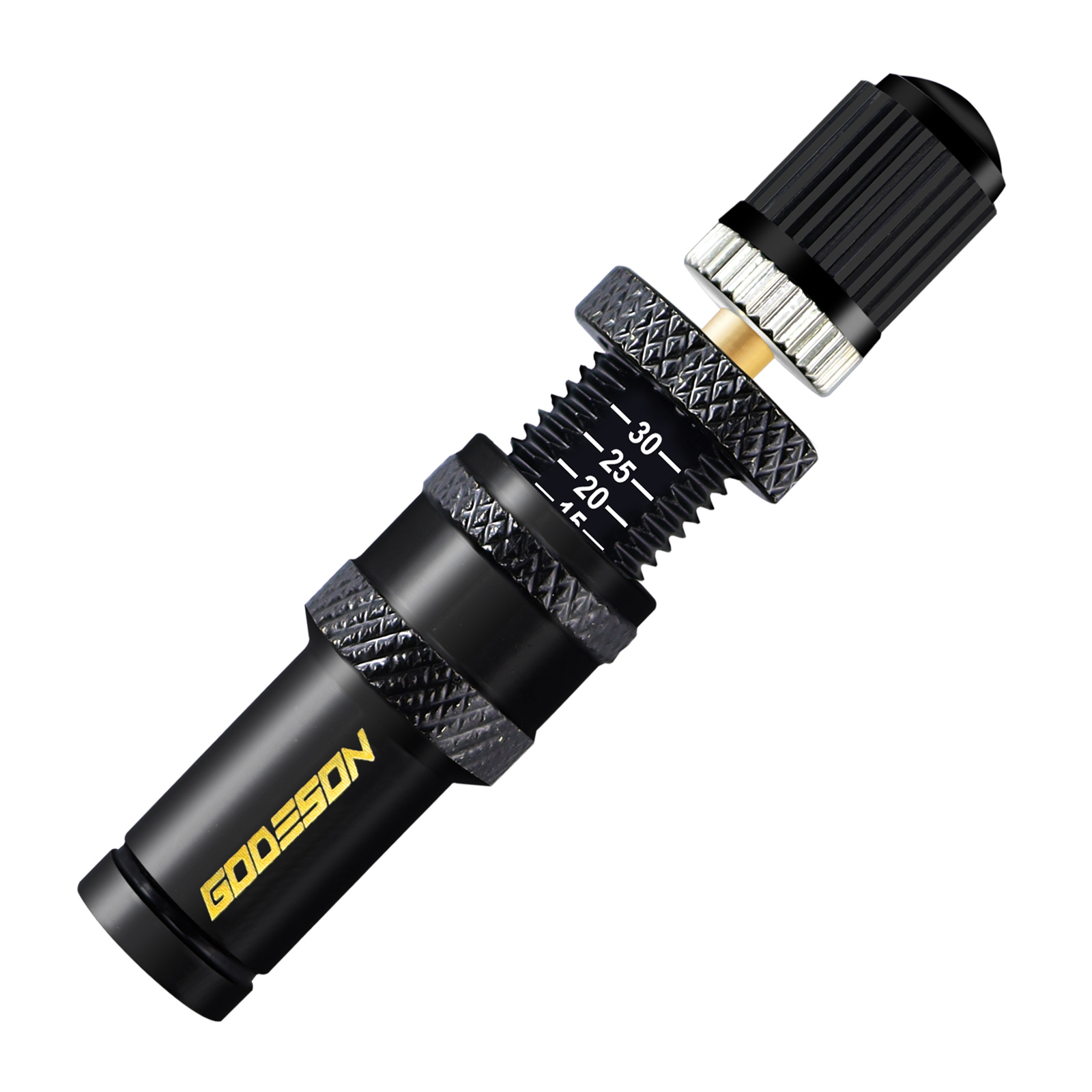
Tyre Deflator for 4WD: Elevate Off-Road Performance
1. Discover the Ultimate Tyre Deflator for 4WD Adventures 2. Why Choose the Best Tyre Deflator for Off-Road Use? 3. Exploring Automatic Tyre Deflator 4x4 Options 4. Building Your 4WD Tyre Deflation Kit Essentials 5. Tips for Using Your Tyre Deflator for 4WD Effectively
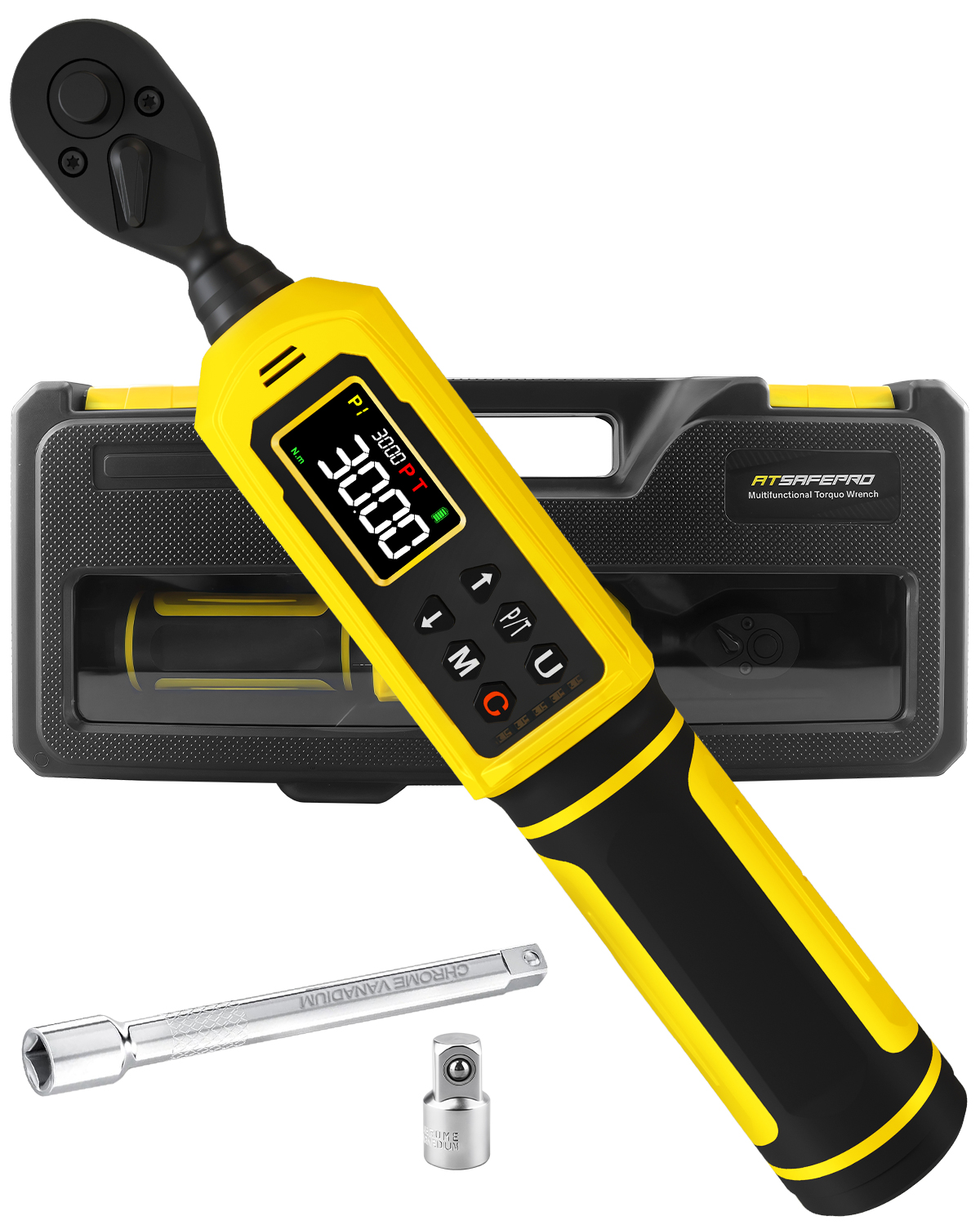
A Beginner’s Guide to Using a Torque Wrench: Why It Matters and How to Do It Right
Why Torque Wrenches Are Non-Negotiable for Mechanical Work The Dangers of Incorrect Torque: Too Loose vs. Too Tight Types of Torque Wrenches: Which One Is Right for You? Step-by-Step: How to Use a Torque Wrench Correctly

The Best Tire Tread Depth Gauge: A Comprehensive Guide
1. Design and Build Quality 2. How to Measure Tire Tread Depth: A Step-by-Step Guide 3. Performance in Real-World Use 4. Pros, Cons, and Value Assessment