
Understanding Tire Tread Depth and Its Importance
Proper tire maintenance is crucial for vehicle safety, and understanding how to measure tire tread depth is a fundamental aspect of this maintenance. The main_keyword, tire thread depth gauge, is an essential tool for assessing the condition of your tires. By regularly checking the tread depth, you can ensure that your tires maintain adequate grip on the road, thus enhancing safety and performance.
Tire tread refers to the grooves and patterns on the tires’ surface. These grooves ensure traction, especially in adverse weather conditions such as rain or snow. A tire tread that is too low can significantly increase the risk of accidents as it reduces the tire's grip, leading to potential skidding or hydroplaning. Maintaining optimal tread depth is, therefore, a necessity and not just a recommendation.
The Functionality of Tire Tread Depth Gauge Tool
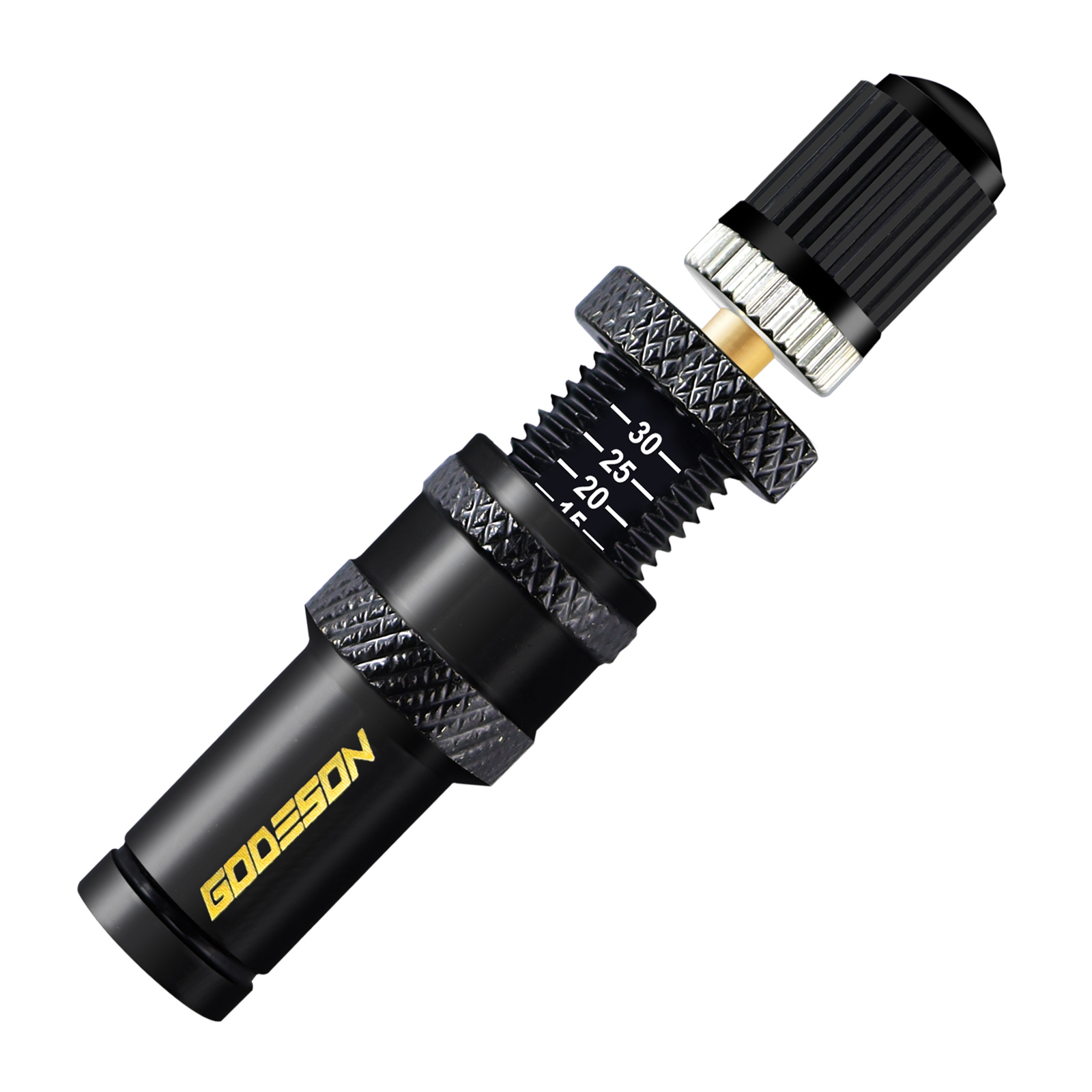
A tire tread depth gauge tool is designed to measure the depth of the grooves on your tires accurately. Whether you're using a mechanical gauge or a digital tire tread depth gauge, these devices help determine whether your tire treads are sufficient or if the tires need replacing. Digital models are preferred by many for their precision and the ease with which they can display the measurement readings.
To use a tire tread depth checker, you simply insert the probe into the groove and read the measurement. Typically, a safe tread depth is above 2/32 of an inch (1.6mm). Below this level, your tires may not perform effectively, compromising safety. By owning a reliable tread depth gauge, you can regularly monitor your tires and avoid unforeseen issues.
How to Measure Tire Tread Depth Effectively
While the tire tread depth gauge is a specialized tool, understanding how to use it correctly is equally important. First, ensure that your car is on a flat surface to avoid skewed measurements. Insert the gauge into various points in the tread grooves across the tire's width and take note of the readings. This diversity in measurement ensures that you account for uneven wear which could arise from improper wheel alignment or suspension issues.
Moreover, individuals can perform a quick, makeshift tread depth test using a penny if no gauge is available. Insert a penny into the tread groove with Lincoln’s head facing down. If you see the top of Lincoln’s head, the tread is too worn, and the tires should be replaced. However, for precision, the tire tread depth gauge remains the superior choice.
Choosing the Right Tire Tread Depth Gauge for Your Needs
With many options available, choosing the right tire tread depth gauge can seem daunting. Consider features such as ease of use, digital versus manual readings, and portability. Digital gauges offer clear and precise readings, which might be ideal for users looking for simplicity and accuracy.
Durability and reliability are also essential factors. Investing in a high-quality tread depth gauge ensures long-term use and accurate tire assessments. By taking these aspects into account, you can keep your tires in optimal condition and extend their lifespan.
In conclusion, maintaining proper tire tread through regular checks with a tire tread depth gauge is a simple yet vital practice for vehicle safety and efficiency. It can prevent accidents and unnecessary wear, saving you money and trouble down the line. Always ensure your tires have adequate tread depth for the best possible driving experience.