
Understanding the Torque Wrench: Your Essential Tool for Precision Fastening
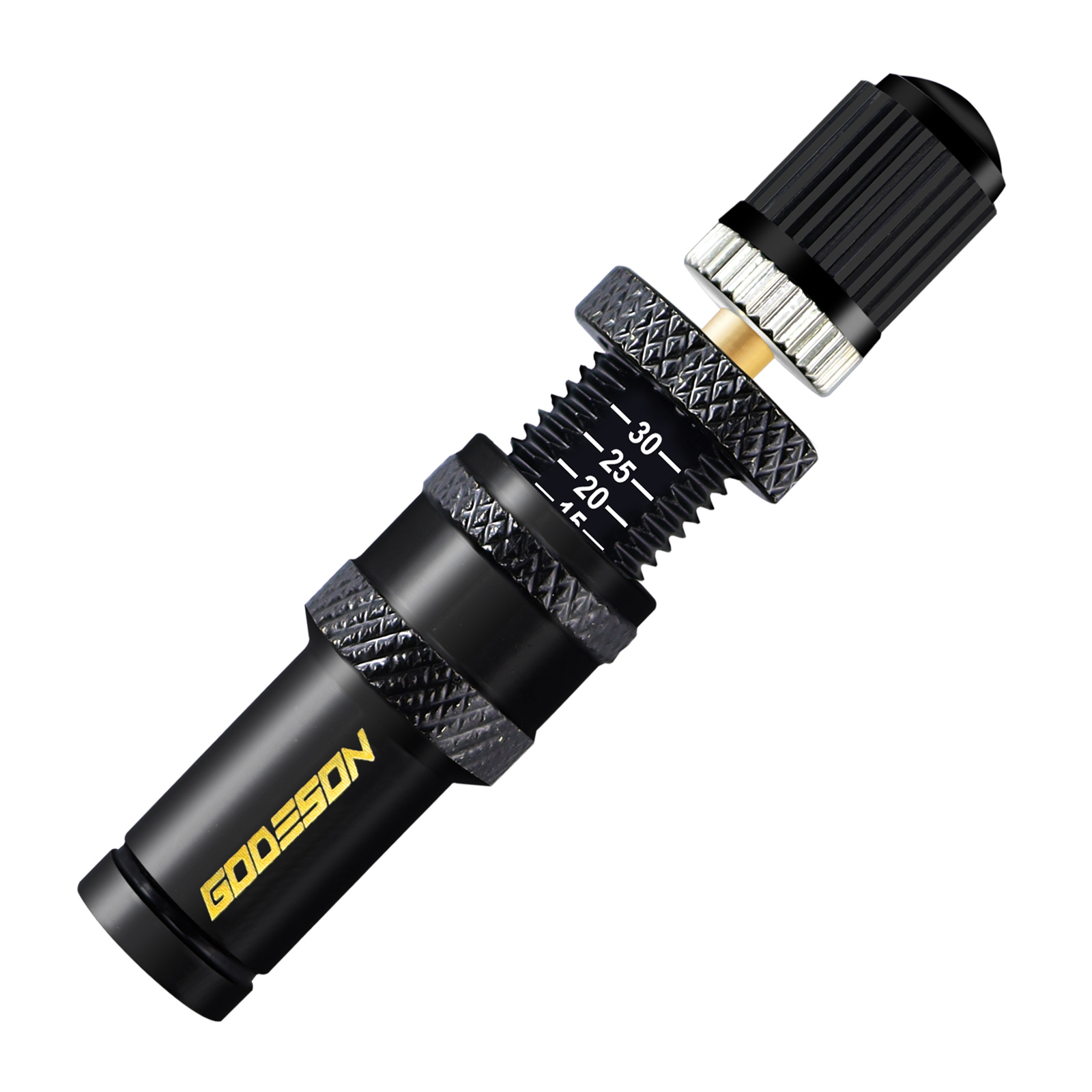
A torque wrench is an indispensable tool in any mechanic's or DIY enthusiast's arsenal, designed to apply a precise amount of torque to a fastener such as a nut or bolt. This ensures that components are neither under-tightened, which could lead to failure, nor over-tightened, which might damage threads or materials. By using a torque wrench, professionals and hobbyists alike can achieve reliable, repeatable results in automotive repairs, assembly work, and construction projects. The beauty of this tool lies in its ability to measure and control rotational force, typically in units like foot-pounds or Newton-meters, making it a cornerstone for safety and efficiency in mechanical tasks.
Why Choose a Digital Torque Wrench for Modern Applications?
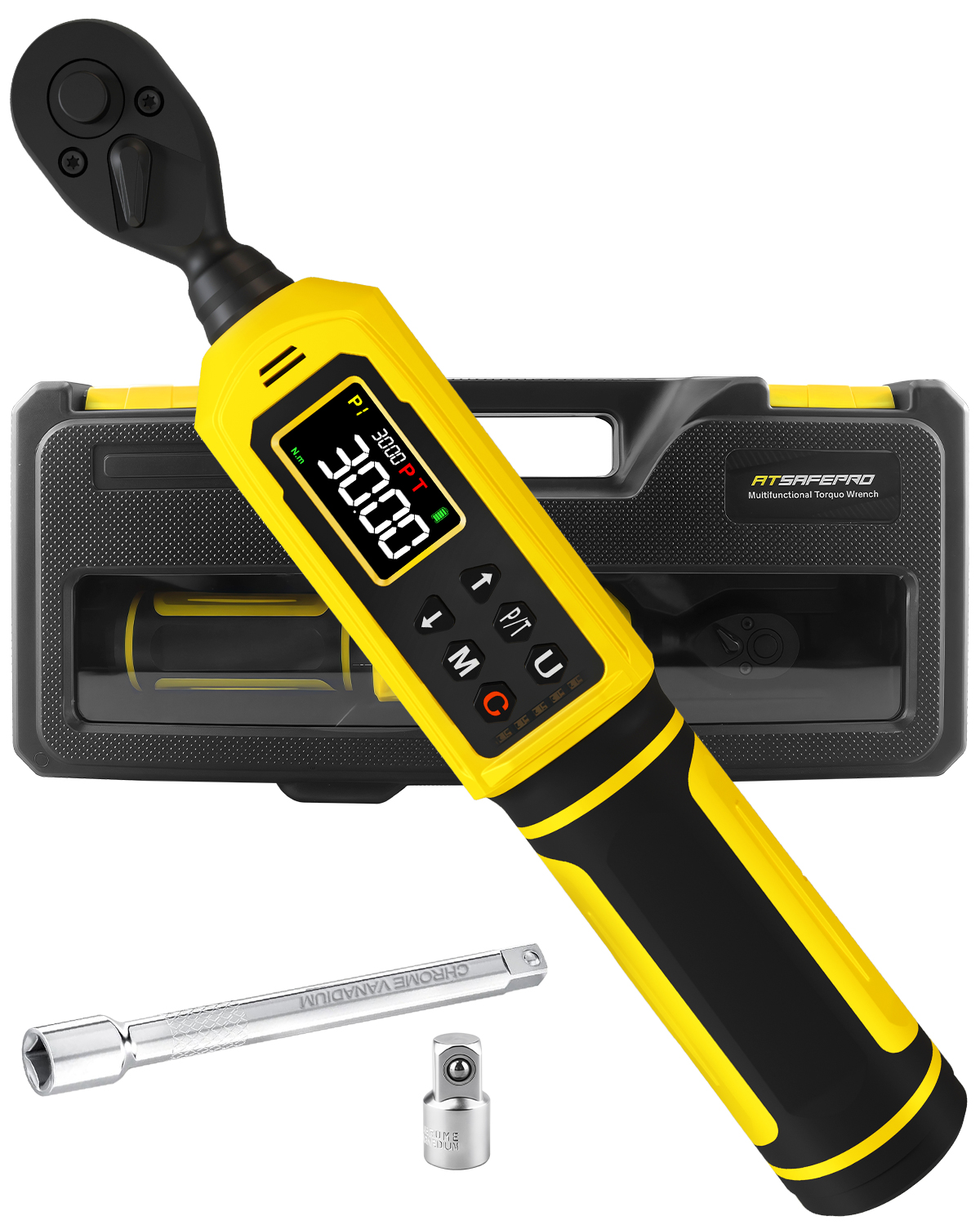
In today's fast-paced workshops, the digital torque wrench stands out as an advanced iteration of the classic tool, incorporating electronic sensors and digital displays for unparalleled accuracy. Unlike traditional models that rely on mechanical click mechanisms or beam readings, a digital torque wrench provides real-time feedback through an LCD screen, alerting users with beeps or vibrations when the target torque is reached. This feature is particularly valuable in high-precision environments, such as aerospace or automotive diagnostics, where even minor deviations can have significant consequences. For instance, when tightening engine bolts, a digital torque wrench can record multiple torque values, allowing technicians to document their work for quality assurance. Its versatility extends to various settings, including preset modes for different fasteners, making it easier for users to switch between tasks without recalibration. Moreover, these tools often come with data output capabilities, enabling integration with software for detailed reporting. Investing in a digital torque wrench not only enhances precision but also reduces the learning curve for novices, as the intuitive interface guides users through the process. With battery-powered operation, they offer portability without sacrificing reliability, and many models are built to withstand harsh conditions like oil splashes or drops. Overall, the digital torque wrench represents a leap forward in tool technology, combining durability with smart features to meet the demands of professional and home use alike.
Building a Complete Toolkit with a Torque Wrench Set
For those looking to equip themselves comprehensively, a torque wrench set offers a curated collection of tools tailored to diverse torque requirements. Typically including multiple wrenches with varying drive sizes—such as 1/4-inch, 3/8-inch, and 1/2-inch—these sets ensure coverage for everything from delicate electronics to heavy-duty machinery. A well-designed torque wrench set might also incorporate adapters, extensions, and sockets, creating a versatile system that adapts to any job site. This all-in-one approach saves time and money, as users avoid purchasing individual pieces that may not match in calibration or quality. When selecting a torque wrench set, consider the torque range; for example, lower ranges suit bicycle repairs, while higher ones are ideal for truck maintenance. Many sets feature color-coded handles for quick identification, and some include storage cases for organization. The inclusion of a digital torque wrench within the set amplifies its utility, blending analog reliability with digital precision. Users appreciate how these sets promote consistency across projects, minimizing errors in multi-step assemblies like furniture building or engine overhauls. Furthermore, reputable torque wrench sets undergo rigorous testing to meet industry standards, ensuring longevity and accuracy over thousands of cycles. Whether you're a professional mechanic outfitting a garage or a homeowner tackling weekend projects, a torque wrench set empowers you with the tools needed for confident, professional-grade results.
Key Features to Look for in a Quality Torque Wrench
Selecting the right torque wrench involves evaluating several critical features to match your specific needs. Accuracy is paramount, with high-quality models boasting tolerances as low as ±2%, calibrated to international standards like those from the ASME. Drive size determines compatibility with sockets, so assess your common fastener sizes beforehand. For the digital torque wrench variant, seek models with backlit displays for low-light conditions and memory functions to store up to 50 readings. Ergonomics play a role too; look for rubberized grips that reduce hand fatigue during extended use. Durability is another factor—tools with chrome-vanadium steel construction resist corrosion and wear, while protective cases extend lifespan. Torque wrench sets should include comprehensive accessories, like reversible ratchets for bidirectional tightening, enhancing workflow efficiency. Price points vary, but mid-range options often balance cost with performance, avoiding the pitfalls of cheap imports that lose calibration quickly. Regular maintenance, such as annual recalibration, keeps any torque wrench performing optimally. By prioritizing these features, you ensure your tool investment yields precise, dependable service across applications.
Practical Tips for Using and Maintaining Your Torque Wrench
To maximize the effectiveness of your torque wrench, follow best practices from the outset. Always zero the tool before use, especially digital models, to ensure accurate readings. Apply steady, even pressure perpendicular to the handle, avoiding jerky motions that could skew results. For a torque wrench set, organize components systematically to prevent mix-ups during tasks. Store tools in a cool, dry place, away from extreme temperatures that might affect mechanisms. Clean residues promptly with appropriate solvents, but never immerse in liquids unless specified. If using a digital torque wrench, monitor battery levels and replace with manufacturer-recommended types to avoid interruptions. Periodically test accuracy with known weights or professional services to maintain reliability. Common mistakes, like exceeding the tool's maximum torque, can damage internals, so adhere to specified limits. With proper care, a torque wrench can serve for years, becoming a trusted partner in your toolkit. These habits not only prolong tool life but also safeguard your projects, ensuring safety and precision every time.
Applications of Torque Wrenches in Everyday and Professional Settings
Torque wrenches find applications far beyond the garage, influencing fields like aviation, manufacturing, and even sports equipment assembly. In automotive work, they secure wheel lugs to prevent stripping or loosening under vibration. Bicycle mechanics rely on them for frame bolts, maintaining structural integrity without over-stressing alloys. In construction, a torque wrench set ensures scaffolding and machinery mounts are fastened correctly, complying with safety regulations. The digital torque wrench shines in quality control labs, where data logging supports traceability. Home users apply them in plumbing for pipe fittings or in furniture assembly for even joint pressure. Their role in renewable energy, like wind turbine maintenance, highlights adaptability to large-scale operations. Educational settings use them to teach principles of physics and engineering, fostering hands-on learning. Across these domains, the torque wrench underscores the importance of precision in preventing failures and optimizing performance. As technology evolves, expect even smarter integrations, like Bluetooth connectivity for app-based monitoring, further expanding their utility.
In summary, whether opting for a standalone torque wrench, a digital torque wrench, or a comprehensive torque wrench set, these tools elevate the standard of mechanical work. They embody precision engineering, supporting users in achieving professional outcomes with confidence and ease. By understanding their features and applications, anyone can harness their power for safer, more efficient projects.