
Understanding the Torque Wrench: Your Essential Tool for Precision Fastening
When it comes to mechanical work, whether you're a professional mechanic or a dedicated DIY enthusiast, the torque wrench stands out as an indispensable tool. A torque wrench is designed to apply a specific amount of torque to a fastener, ensuring that bolts and nuts are tightened to the manufacturer's exact specifications. This precision prevents over-tightening, which can damage components, or under-tightening, which might lead to failures in critical applications like automotive repairs or machinery assembly. In this article, we'll explore the world of torque wrenches, including manual torque wrench options, key torque wrench features, and comprehensive torque wrench kits, to help you make informed choices for your toolkit.
Exploring the Basics of a Manual Torque Wrench
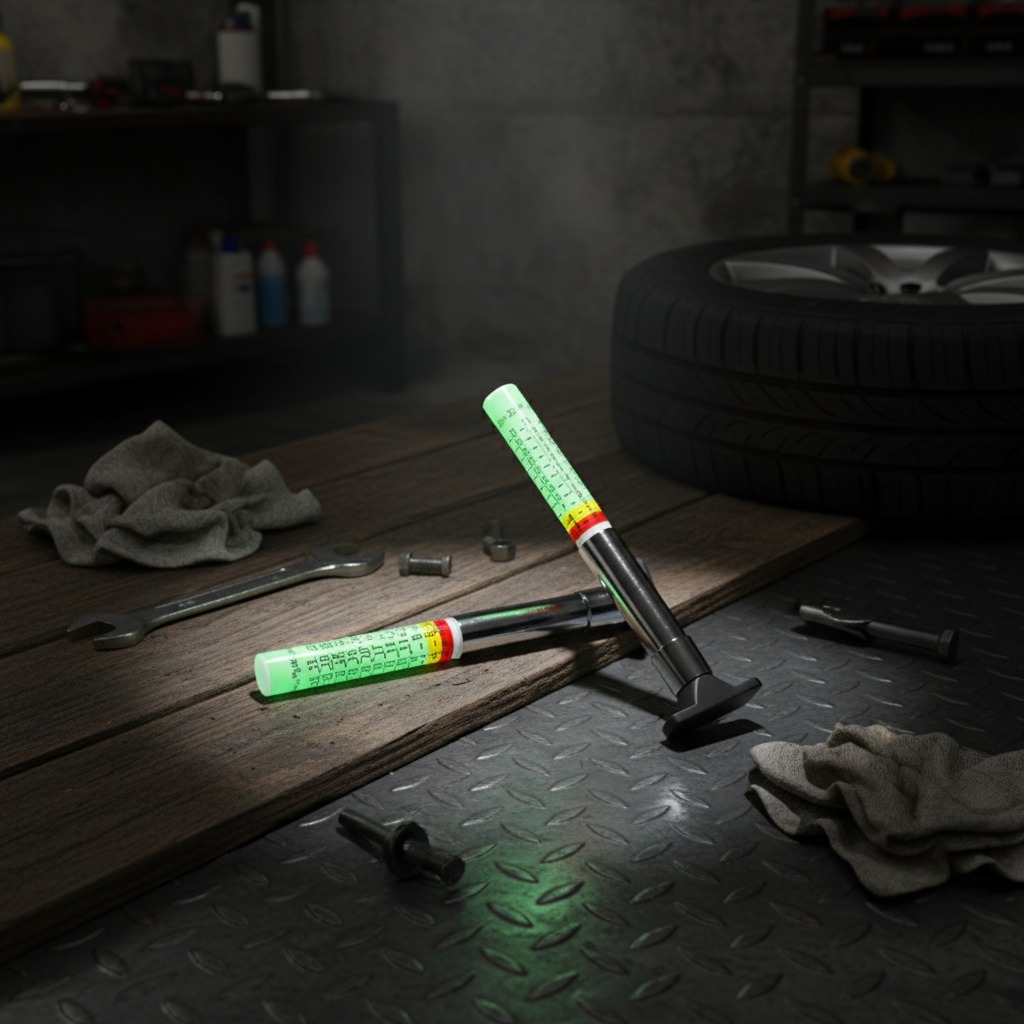
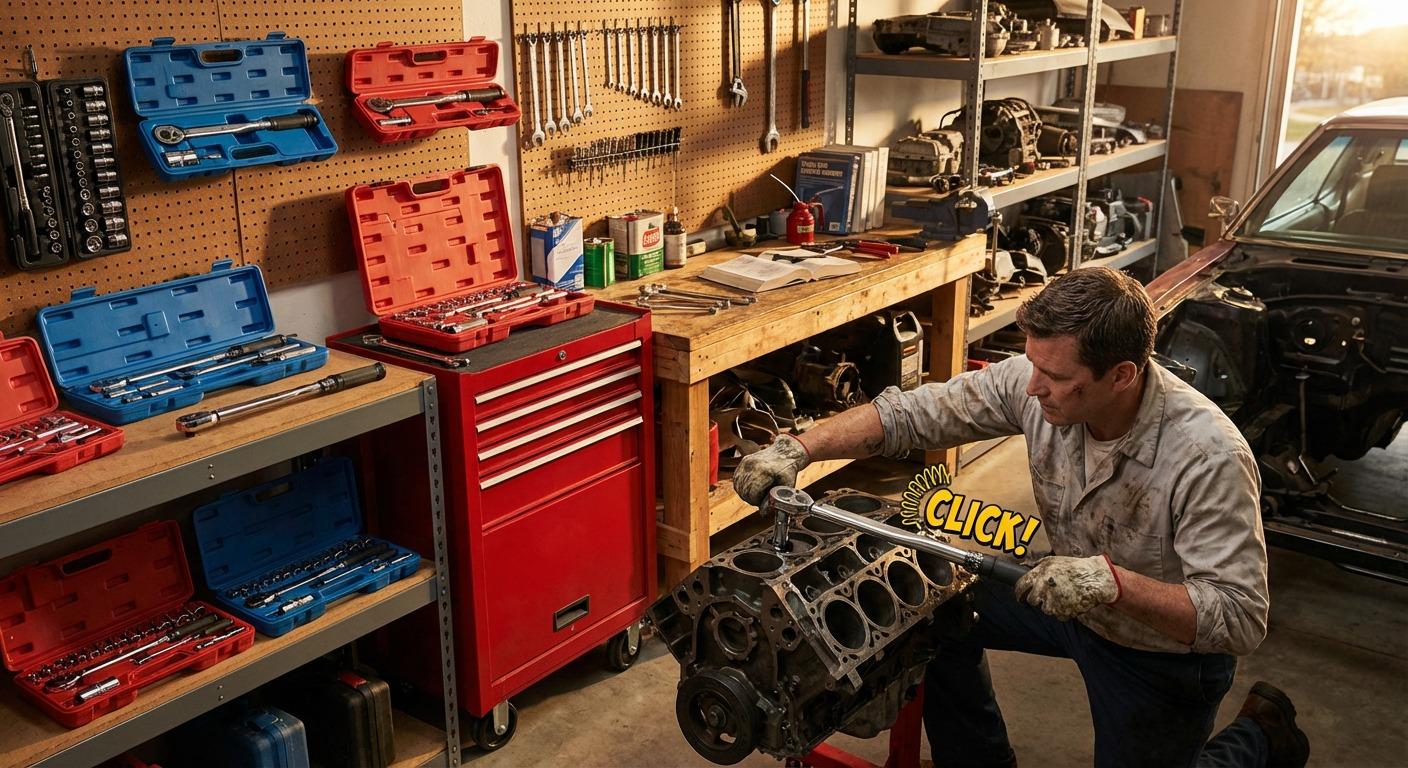
A manual torque wrench is the most common and accessible type, relying on the user's physical input rather than electronic assistance. It operates on a simple yet effective principle: as you turn the handle, an internal mechanism measures the applied force and signals when the preset torque level is reached. This could be through a click mechanism that audibly and tactilely alerts you, or a dial that visually indicates the torque. Manual torque wrenches are favored for their reliability in environments where power sources might be unavailable, such as field repairs or garage workshops. One of the primary advantages is their durability; made from high-strength alloys like chrome-vanadium steel, they withstand heavy use without losing calibration accuracy over time.
Delving deeper, the versatility of a manual torque wrench shines in various settings. For instance, in automotive applications, it ensures engine bolts are secured precisely, avoiding issues like warped cylinder heads from excessive force. In plumbing or construction, it helps with pipe fittings where over-tightening could crack materials. Accuracy is typically within 4% of the set value, making it suitable for most professional standards. However, to maintain peak performance, regular calibration is essential—ideally every six months or after 5,000 cycles of use. Selecting the right size is crucial; models range from 1/4-inch to 1-inch drive, accommodating different bolt sizes and torque ranges from 5 inch-pounds to over 1,000 foot-pounds. Brands like Craftsman or Snap-on offer models with ergonomic handles to reduce hand fatigue during prolonged sessions, emphasizing user comfort alongside functionality.
Key Torque Wrench Features to Consider
Understanding torque wrench features can significantly enhance your selection process and overall efficiency. One standout feature is the drive size, which determines compatibility with sockets and the scale of jobs it can handle. Smaller drives, like 3/8-inch, are ideal for delicate electronics or bicycles, while larger 3/4-inch drives tackle heavy-duty truck lug nuts. Another critical aspect is the torque range; ensure it covers your needs—low-range for precision work and high-range for industrial tasks. Accuracy and calibration are non-negotiable; look for tools certified to standards like ASME B107.300, guaranteeing reliability.
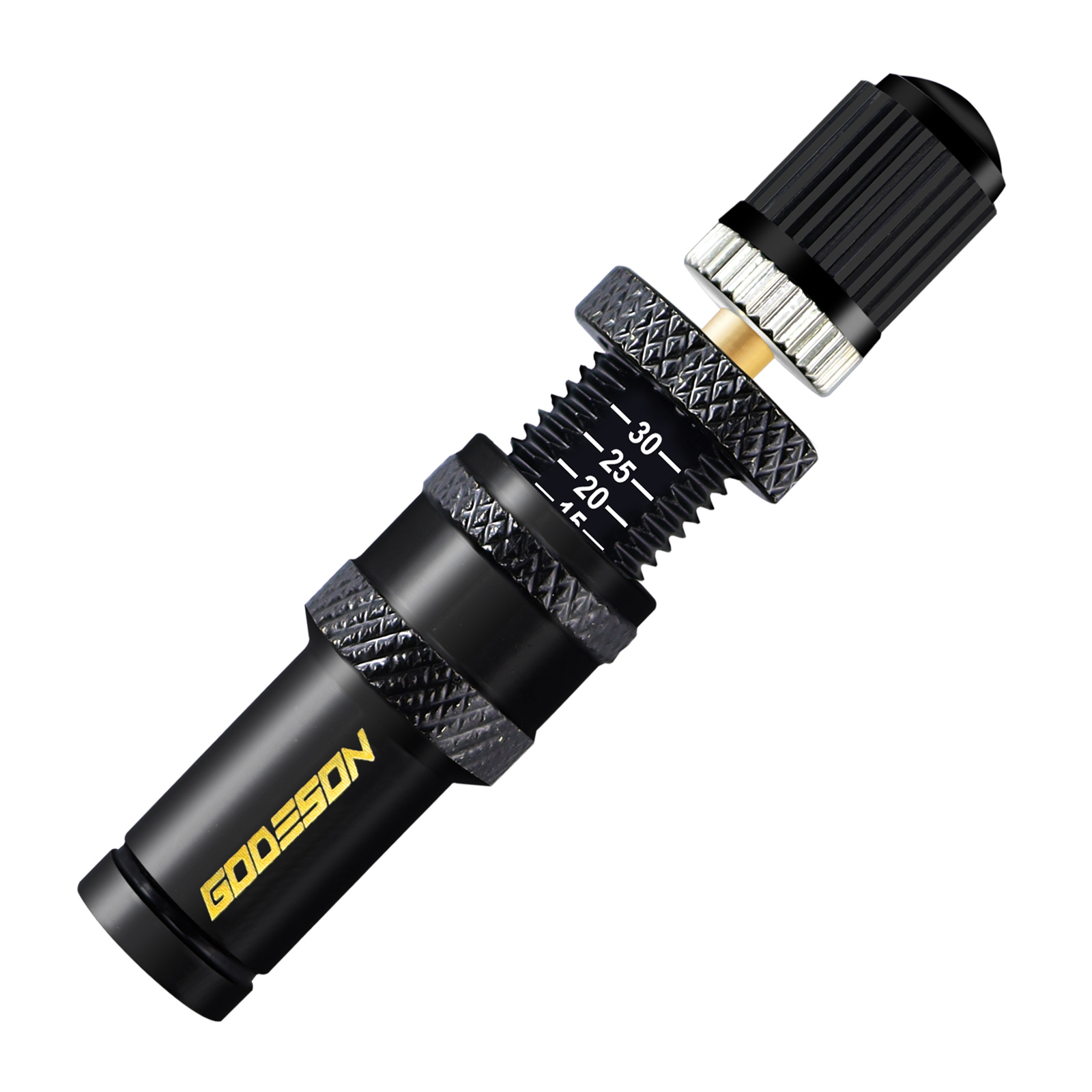
Modern torque wrenches often incorporate advanced torque wrench features such as dual scales for inch-pounds and Newton-meters, catering to international users. The click-type mechanism, where the wrench 'slips' at the set torque, prevents accidental over-tightening and is user-friendly for beginners. Beam-style wrenches, on the other hand, use a visual indicator—a needle on a scale—for those who prefer a non-clicking option, though they require more practice to read accurately. Ergonomics play a big role too; reversible ratcheting heads allow for quick direction changes, speeding up work on confined spaces. Some models include micrometer adjustments for fine-tuning, and protective cases for storage. Durability features like corrosion-resistant finishes ensure longevity, especially in humid workshops. When evaluating, consider the warranty—many reputable manufacturers offer lifetime guarantees against defects, adding peace of mind.
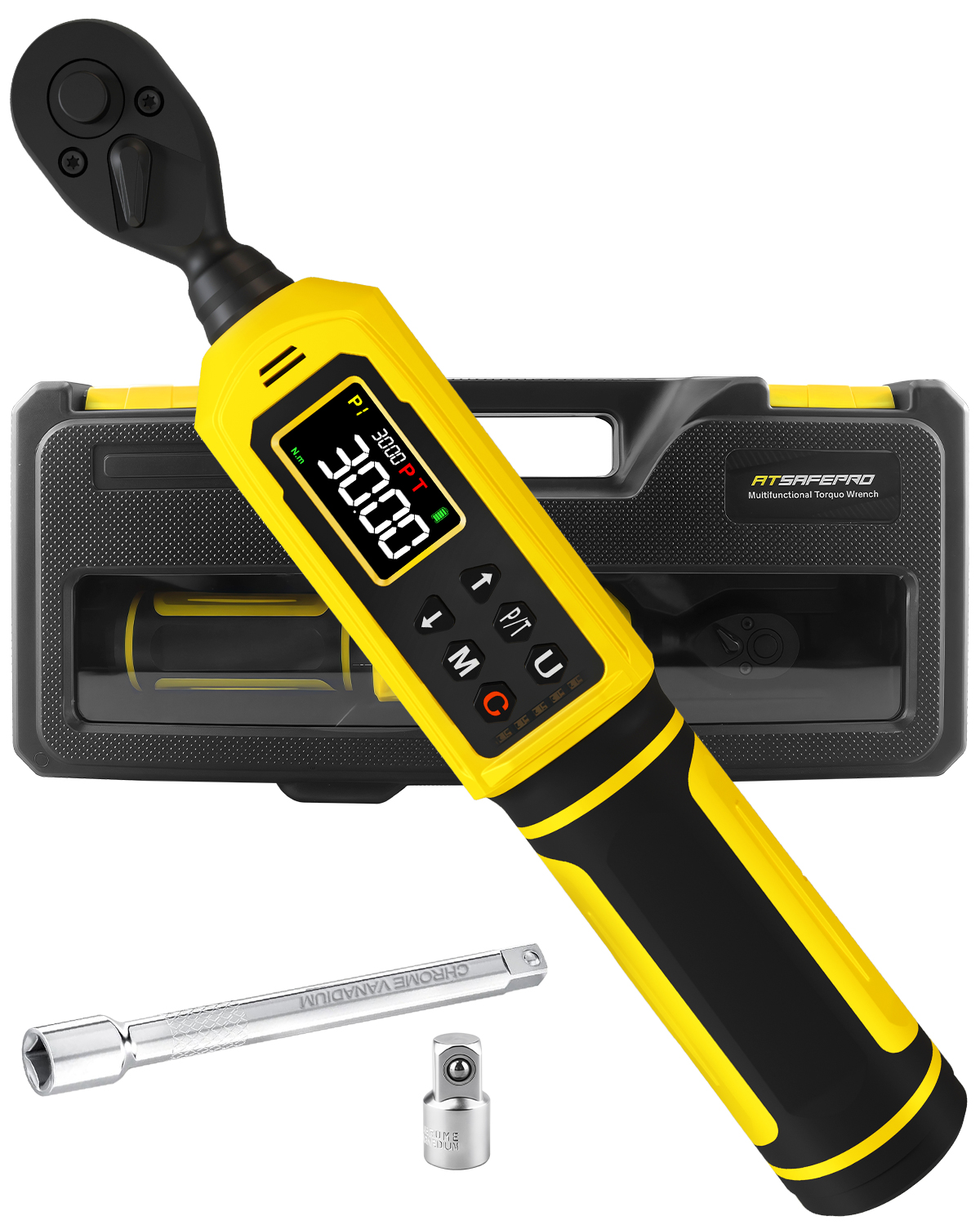
Safety is another vital torque wrench feature. Over-torquing can lead to stripped threads or fractured parts, while under-torquing compromises structural integrity. In aviation or medical equipment assembly, where lives depend on precision, these tools are mandatory. Features like audible clicks reduce human error, and some digital variants (though we're focusing on manual here) offer data logging. Always pair your torque wrench with quality sockets to avoid slippage, which could throw off readings. By prioritizing these features, you invest in a tool that not only performs but also enhances your workmanship.
Building Your Collection with Torque Wrench Kits
For those looking to equip themselves comprehensively, torque wrench kits provide an all-in-one solution. A typical torque wrench kit includes the wrench itself, an array of sockets in metric and imperial sizes, extension bars, and sometimes adapters or storage cases. These kits are particularly beneficial for beginners, as they eliminate the guesswork of matching components. For example, a manual torque wrench kit might feature a 1/2-inch drive wrench with sockets from 10mm to 32mm, covering most automotive needs. Priced affordably, they offer great value, often under $100 for entry-level sets.
Torque wrench kits vary by application; automotive kits emphasize high-torque capabilities for wheel changes, while bicycle kits focus on lower ranges to avoid damaging lightweight frames. Professional-grade torque wrench kits from brands like Tekton or GearWrench include calibration certificates and multiple wrench types in one package, ideal for mechanics handling diverse jobs. Accessories like spanners or universal joints expand versatility, allowing access to awkward angles. Maintenance is straightforward—kits often come with instructions for cleaning and storage to preserve accuracy.
Investing in a torque wrench kit streamlines your workflow. Imagine tackling a brake job: with the right kit, you can torque caliper bolts precisely without hunting for mismatched tools. For home users, starter kits build confidence in projects like furniture assembly or bike maintenance. Advanced kits might include digital torque wrenches for exact digital readouts, bridging manual and electronic worlds. Overall, these kits democratize precision tooling, making professional results achievable for all.
Maintenance and Best Practices for Longevity
To maximize the lifespan of your torque wrench, proper maintenance is key. Store it at its lowest torque setting to relieve spring tension, and avoid dropping it, as impacts can misalign internals. Clean after use with a soft cloth, steering clear of solvents that might degrade seals. Calibration checks using a torque tester ensure ongoing accuracy—many auto parts stores offer this service. When using a manual torque wrench, approach from the correct direction (usually clockwise for tightening) and listen for the click without forcing it.
Incorporate best practices like consulting torque specs from manuals before starting work. For torque wrench kits, organize components to prevent loss. Over time, these habits prevent costly replacements and ensure safety. Whether solo or in a team, a well-maintained torque wrench elevates every project.
In conclusion, the torque wrench, with its manual variants, essential features, and convenient kits, is a cornerstone of precise mechanical work. By understanding and utilizing these tools effectively, you'll achieve superior results across applications, safeguarding both equipment and outcomes. Whether upgrading your garage or starting fresh, incorporating a quality torque wrench into your arsenal is a smart move for reliability and excellence.