
Understanding Pressure Gauges
Pressure gauges are essential tools used across various industries to measure the force of gas or liquid in a system. Whether it's ensuring the safe operation of industrial equipment or maintaining optimal tire pressure in vehicles, these devices are pivotal in providing accurate readings and ensuring operational efficiency. With pressure gauges, organizations can pre-empt potential issues by monitoring system conditions and acting accordingly.
Types of Pressure Gauges
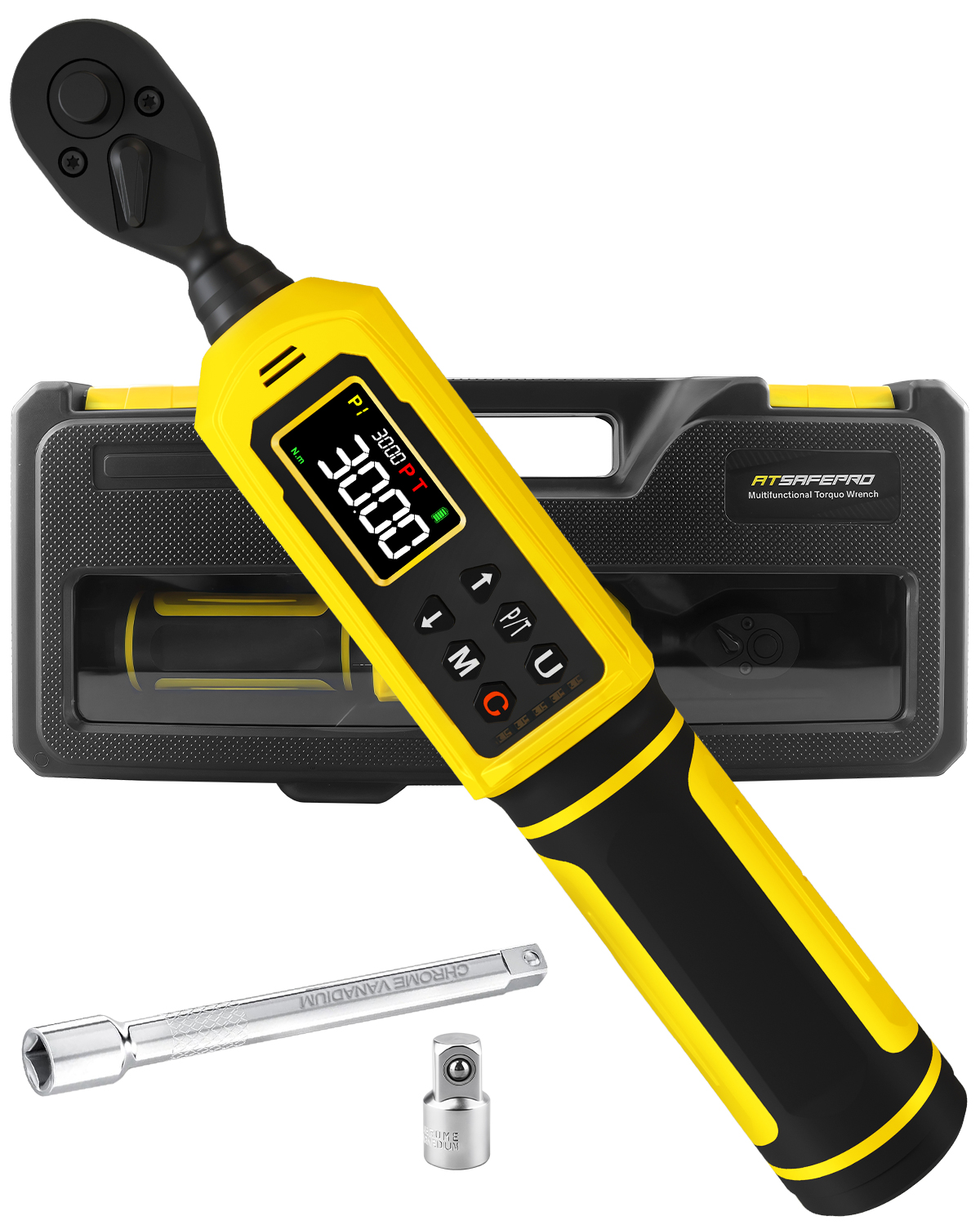
The diversity in applications of pressure gauges means there are different types available to suit specific needs. Among them, the digital pressure gauge is increasingly popular due to its accuracy and ease of reading. Unlike traditional gauges, digital versions often come with features like backlit displays and data logging capabilities, making them highly useful in low-light conditions or for recording measurements over time.
The mechanical pressure gauge, often seen as the workhorse in the world of pressure measurement, relies on mechanical components to indicate pressure on a dial. It's favored for its durability and ability to operate without a power source, making it suitable for a broad range of uses, from monitoring oil pressure in engines to checking air pressure in tires.
Another pivotal type is the manometer, primarily used for measuring pressure in ventilation systems and other low-pressure environments. With its U-shaped tube partially filled with liquid, a manometer provides a visual representation of pressure differential when one leg of the tube is exposed to the pressure being measured.
Exploring Bourdon Pressure Gauges
The bourdon pressure gauge stands out for its robust design and reliability. It consists of a curved tube that straightens with pressure changes, moving a needle on a dial to indicate the measurement. Ideal for high-pressure applications, the bourdon gauge is commonly utilized in fields that demand precise pressure monitoring, such as in chemical plants and oil refineries.
Choosing the Right Pressure Gauge
When selecting a pressure gauge for a specific application, it’s imperative to consider factors such as the measurement range, the environment it will operate within, and the accuracy required. Opting for a digital pressure gauge might be beneficial for modern applications requiring precision and data accessibility. Conversely, a mechanical pressure gauge might be appropriate for environments where reliability and ruggedness are paramount.
Application-specific gauges, like the manometer and bourdon pressure gauge, are tailored for specialized tasks, and proper selection will ensure efficiency and safety in operations, making understanding each type critical in decision-making.
In conclusion, pressure gauges, whether digital or mechanical, manometer or bourdon-type, play a critical role in various industries, enhancing efficiency, safety, and operational understanding. Engineers and technicians, equipped with the right gauge in their toolkit, can provide better system management, prevent downtime, and promote overall safety.