
Understanding the Essentials of a Pressure Gauge
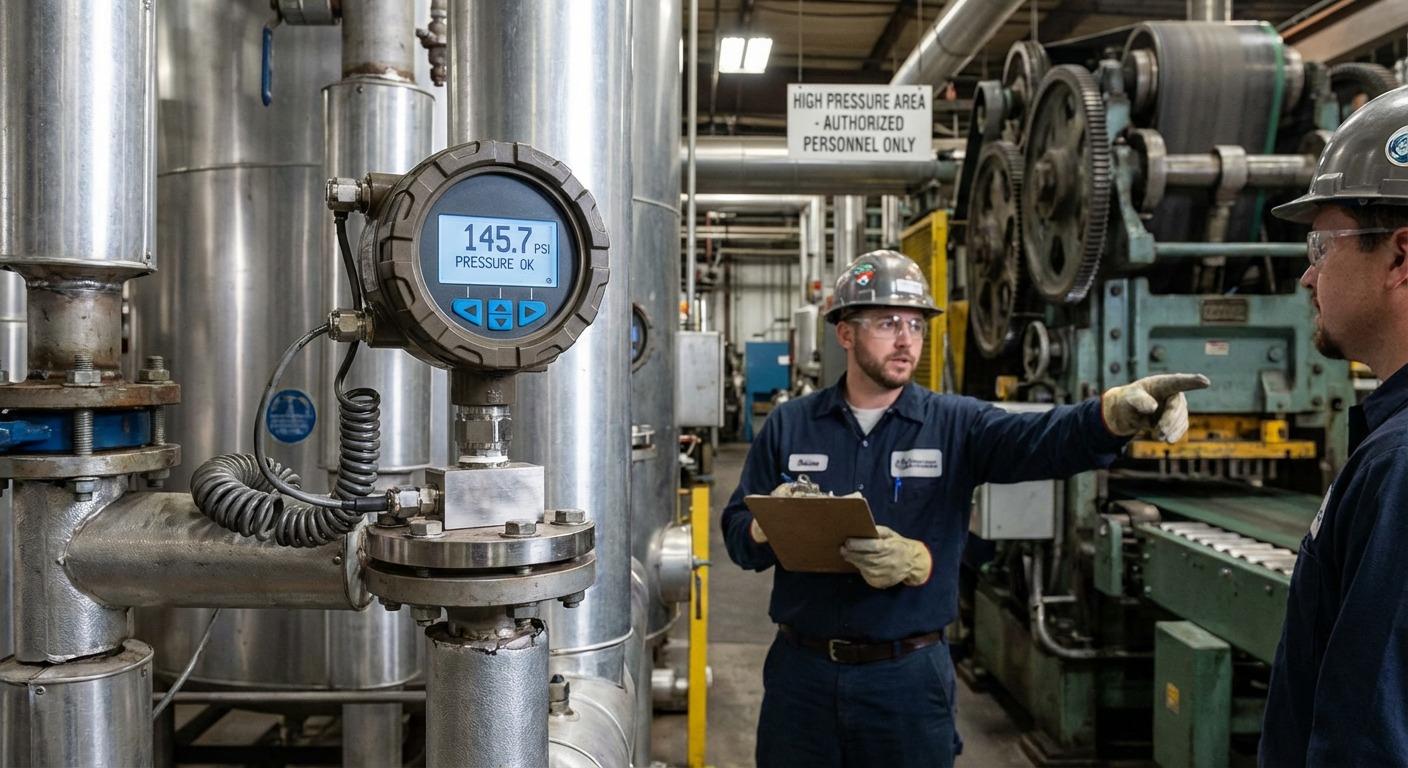
A pressure gauge is an indispensable instrument in various industries, serving as a critical tool for monitoring and ensuring the safety and efficiency of pressurized systems. Whether in manufacturing, automotive, or HVAC applications, the pressure gauge provides real-time readings of fluid or gas pressure within pipes, tanks, and machinery. This device typically features a dial with a needle that indicates pressure levels against calibrated scales, allowing operators to prevent overpressure conditions that could lead to equipment failure or hazards. The importance of a reliable pressure gauge cannot be overstated, as it directly contributes to operational safety and regulatory compliance.
In essence, pressure gauges come in analog and digital variants, each suited to specific needs. Analog models, with their mechanical Bourdon tubes or diaphragms, offer a straightforward, cost-effective solution for basic monitoring. However, as technology advances, the demand for more precise and user-friendly options has grown. This brings us to exploring modern alternatives that enhance accuracy and integration in complex systems.
Exploring the Advantages of a Digital Pressure Gauge
The digital pressure gauge represents a significant evolution from traditional models, incorporating electronic sensors and displays for superior performance. Unlike conventional gauges that rely on physical movement, a digital pressure gauge uses transducers to convert pressure into electrical signals, which are then displayed numerically on an LCD screen. This design minimizes parallax errors and provides higher resolution, making it ideal for environments requiring exact measurements, such as laboratories or pharmaceutical production.
One key benefit of the digital pressure gauge is its ability to offer multiple output options, including data logging and connectivity to computer systems via protocols like RS-232 or Bluetooth. This feature allows for automated monitoring and remote access, reducing the need for manual checks and improving overall efficiency. Additionally, digital models often include features like peak pressure hold, alarms for threshold breaches, and battery-powered operation for portability. For instance, in oil and gas operations, a digital pressure gauge can withstand harsh conditions while delivering readings with accuracy up to 0.1% of full scale, far surpassing many analog counterparts.
Furthermore, the digital pressure gauge excels in versatility. It can measure a wide range of pressures—from vacuum levels to high-pressure hydraulics—often with selectable units such as psi, bar, or kPa. This adaptability makes it a go-to choice for engineers working across international projects. Maintenance is another plus; these gauges typically require less calibration and are less prone to mechanical wear, ensuring longevity in demanding applications.
Applications and Selection Criteria for Pressure Gauges
Pressure gauges find applications across diverse sectors, from water treatment plants where they monitor filtration systems to aerospace for testing fuel lines. In automotive diagnostics, a well-calibrated pressure gauge helps identify issues in brake or tire systems, preventing accidents. Similarly, in the food and beverage industry, it ensures that pasteurization processes maintain precise pressures to preserve product quality without contamination risks.
When selecting a pressure gauge, consider factors like the operating environment, required accuracy, and pressure range. For corrosive substances, choose gauges with stainless steel or plastic casings. A digital pressure gauge might be preferable in cleanroom settings due to its non-contact display and reduced contamination potential. Always verify certifications like ASME or CE to ensure compliance with industry standards.
The integration of a digital pressure gauge into IoT-enabled systems is revolutionizing predictive maintenance. By continuously logging data, these devices can alert technicians to anomalies before they escalate, saving costs and downtime. For example, in HVAC systems, monitoring refrigerant pressures with a digital pressure gauge optimizes energy use and extends equipment life.
Maintenance Tips and Future Trends in Pressure Measurement
Proper maintenance of a pressure gauge extends its service life and reliability. For analog types, regular zeroing and cleaning prevent inaccuracies from dust or residue buildup. Digital pressure gauges, being more robust, benefit from firmware updates and battery replacements to maintain functionality. It's advisable to calibrate instruments annually or after exposure to extreme conditions, using certified standards to verify performance.
Looking ahead, the future of pressure measurement lies in smart technologies. Advanced digital pressure gauges are incorporating AI for predictive analytics, wireless networking for real-time dashboards, and even integration with augmented reality for on-site troubleshooting. These innovations will further enhance safety and efficiency, making pressure monitoring more intuitive and proactive.
In summary, whether opting for a classic pressure gauge or the sophisticated digital pressure gauge, selecting the right tool is crucial for any pressurized system. By understanding their features and applications, professionals can make informed choices that bolster operational excellence. With ongoing advancements, these instruments continue to play a pivotal role in industrial progress, ensuring precision where it matters most.
(Word count: 912)