
Wrong Tire Pressure Is Silently Costing You (And What You Can Do About It)
How often do you really check your tire pressure? If you’re like most drivers, you only notice it when a warning light flashes on your dashboard. But here’s a hard truth: relying only on your Tire Pressure Monitoring System (TPMS) or occasional mechanic checks isn’t enough.
Incorrectly inflated tires are quietly draining your wallet, shortening the life of your tires, and putting you and your passengers in serious danger. Let’s break down the real cost of ignoring tire pressure — and how simple it is to fix.
Higher Fuel Bills for No Reason
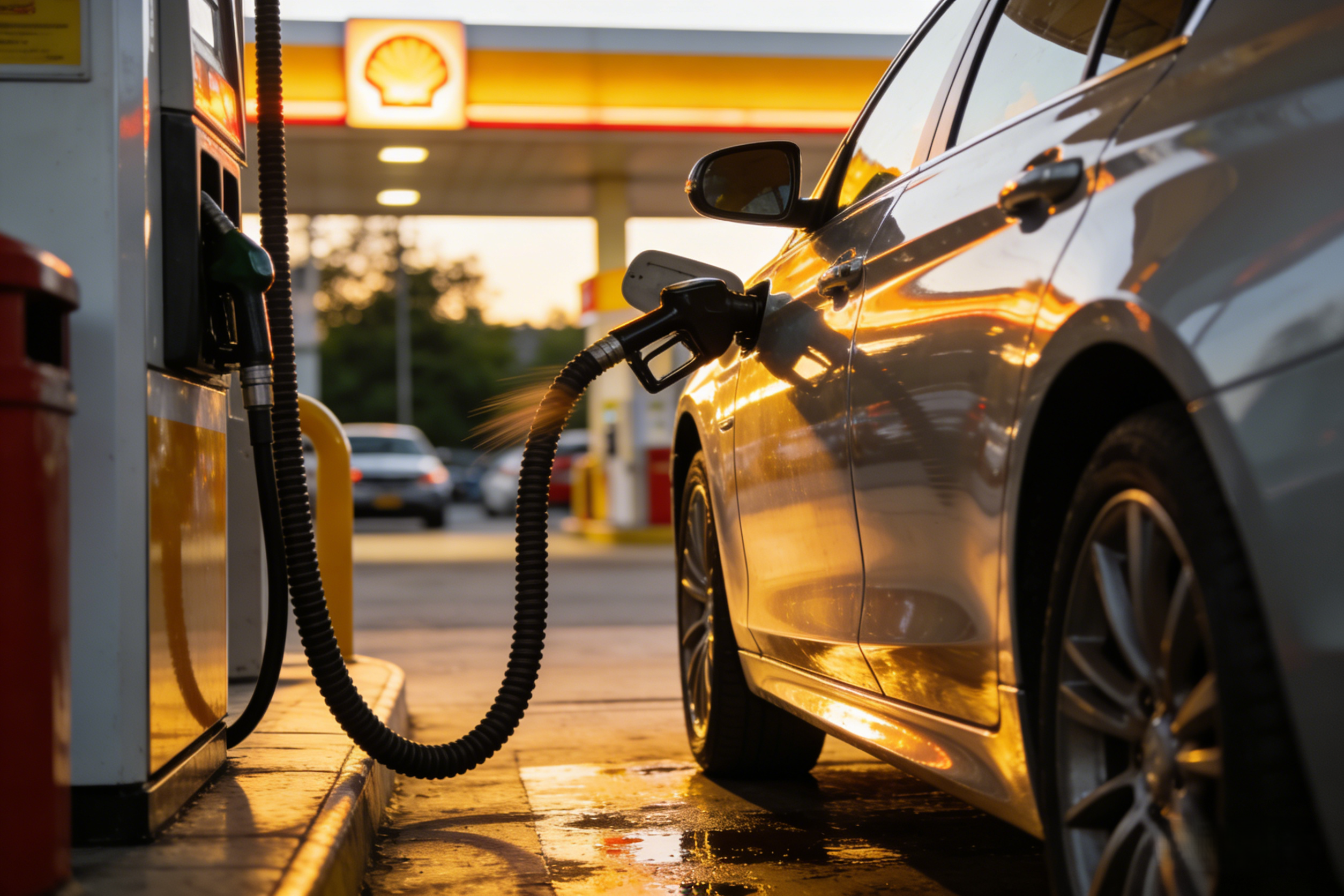
Underinflated tires create more rolling resistance. That means your engine has to work harder just to keep moving. Even a small drop in pressure can reduce fuel efficiency by several percent. Over months and years, that adds up to hundreds of dollars in extra fuel you didn’t need to spend. Keeping tires properly inflated is one of the easiest and cheapest ways to improve mileage.
Longer Stopping Distances = More Risk
Many drivers think brakes alone stop the car. In reality, traction from your tires is what truly slows you down.
- Underinflated tires deform too much, losing full contact with the road.
- Overinflated tires have a smaller contact patch, reducing grip.
Both cases lead to longer stopping distances. On wet or rough roads, that small difference can be the line between stopping safely and a collision.
Poor Handling & Less Control
Tires that aren’t inflated correctly behave unpredictably in turns. Underinflation causes excessive sidewall flex, making steering feel vague or delayed. In worst-case scenarios, the tire can lose proper contact with the rim during hard cornering, leading to sudden loss of control. Proper inflation keeps your vehicle stable, responsive, and predictable.
Increased Risk of Dangerous Blowouts
Underinflated tires flex far more than they’re designed to. This constant bending builds extreme heat inside the tire, weakening internal layers and speeding up wear. A blowout at highway speed can lead to loss of control, rollovers, or serious crashes. By the time your TPMS alerts you, the risk of failure has already jumped significantly.
Why You Can’t Only Trust TPMS
Tire Pressure Monitoring Systems are helpful, but they’re not designed to prevent damage — they only warn you after pressure has dropped well below safe levels. By then, your tires are already wearing unevenly, overheating, and putting you at greater risk.
The Simple, Effective Solution
The only reliable way to stay safe and save money is to check your tires regularly:
- Check pressure at least once a month, and before long trips.
- Always check when tires are cold — driving heats air and skews readings.
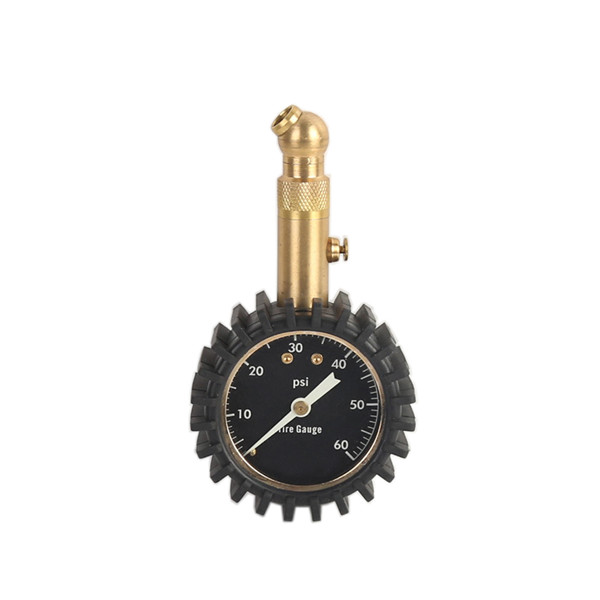
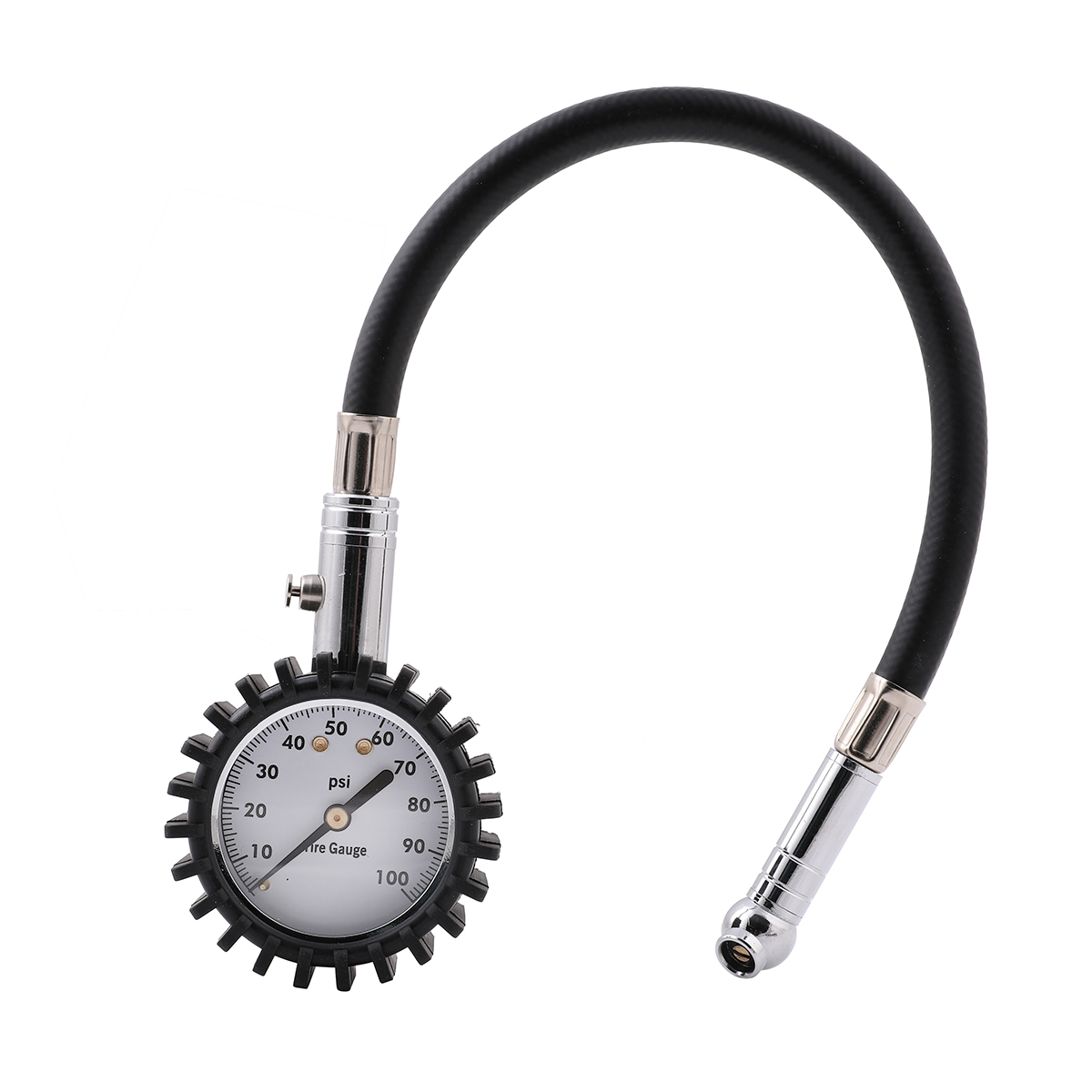
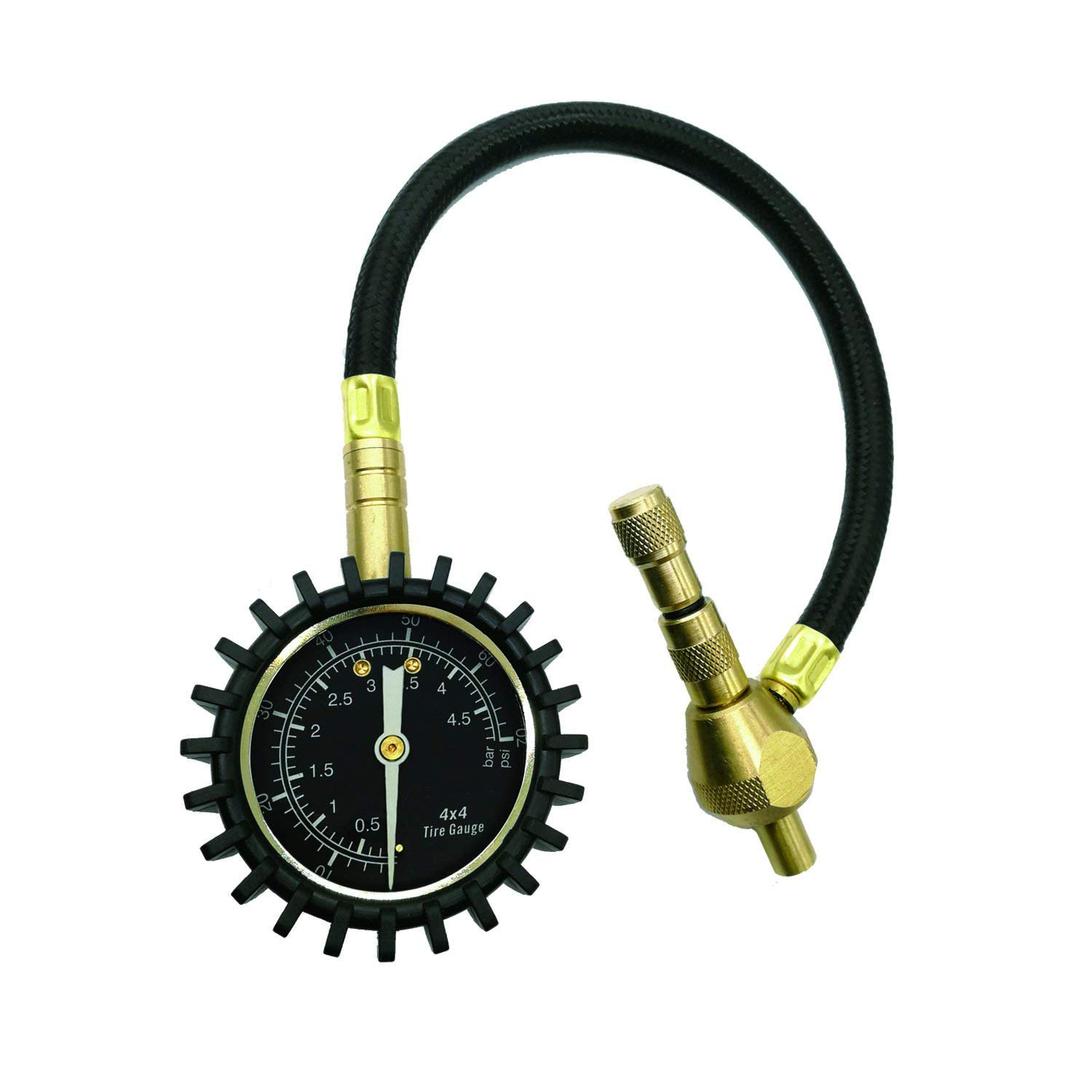
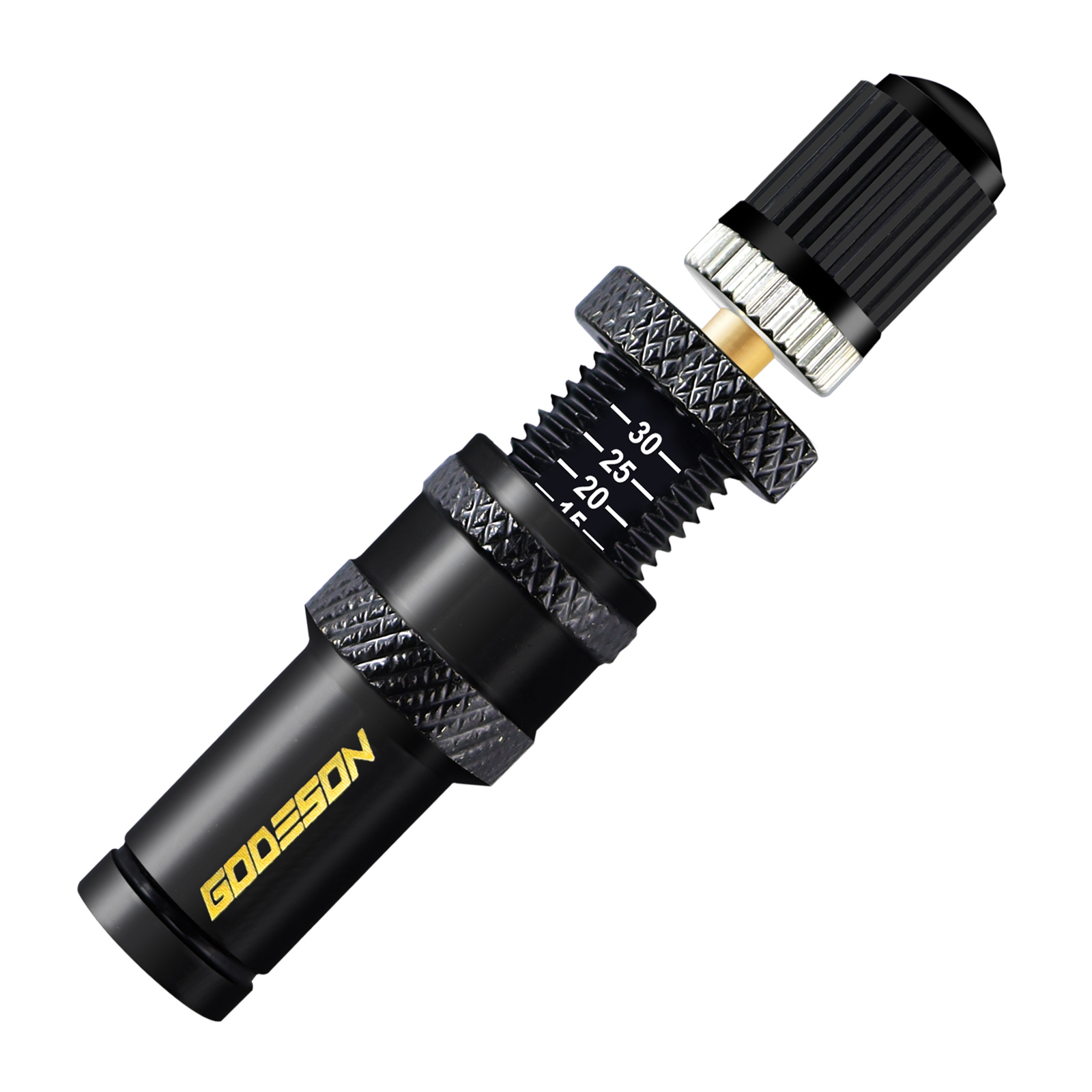
- Use a precise, well-made tire pressure gauge.
- Follow the manufacturer’s recommended PSI (found in your owner’s manual or driver’s door jamb).
Final Thoughts
Incorrectly inflated tires don’t just look wrong — they cost you money and threaten your safety. A 30-second check with a tire pressure gauge every few weeks can extend tire life, improve fuel economy, and keep your ride stable and secure.