
Digital Torque Wrench: Precision Tools Compared
In the world of mechanical work and DIY projects, the digital torque wrench stands out as a modern essential for ensuring bolts and fasteners are tightened to exact specifications. This tool has revolutionized how professionals and hobbyists approach tasks requiring precise force application, from automotive repairs to assembly lines. Unlike older methods, a digital torque wrench provides real-time feedback, making it indispensable for anyone prioritizing safety and efficiency. As we delve into its advantages, we'll compare it against traditional options, exploring aspects like digital torque wrench accuracy, features, calibration needs, and practical usage to help you decide which type suits your needs best.
Understanding Digital Torque Wrench Features
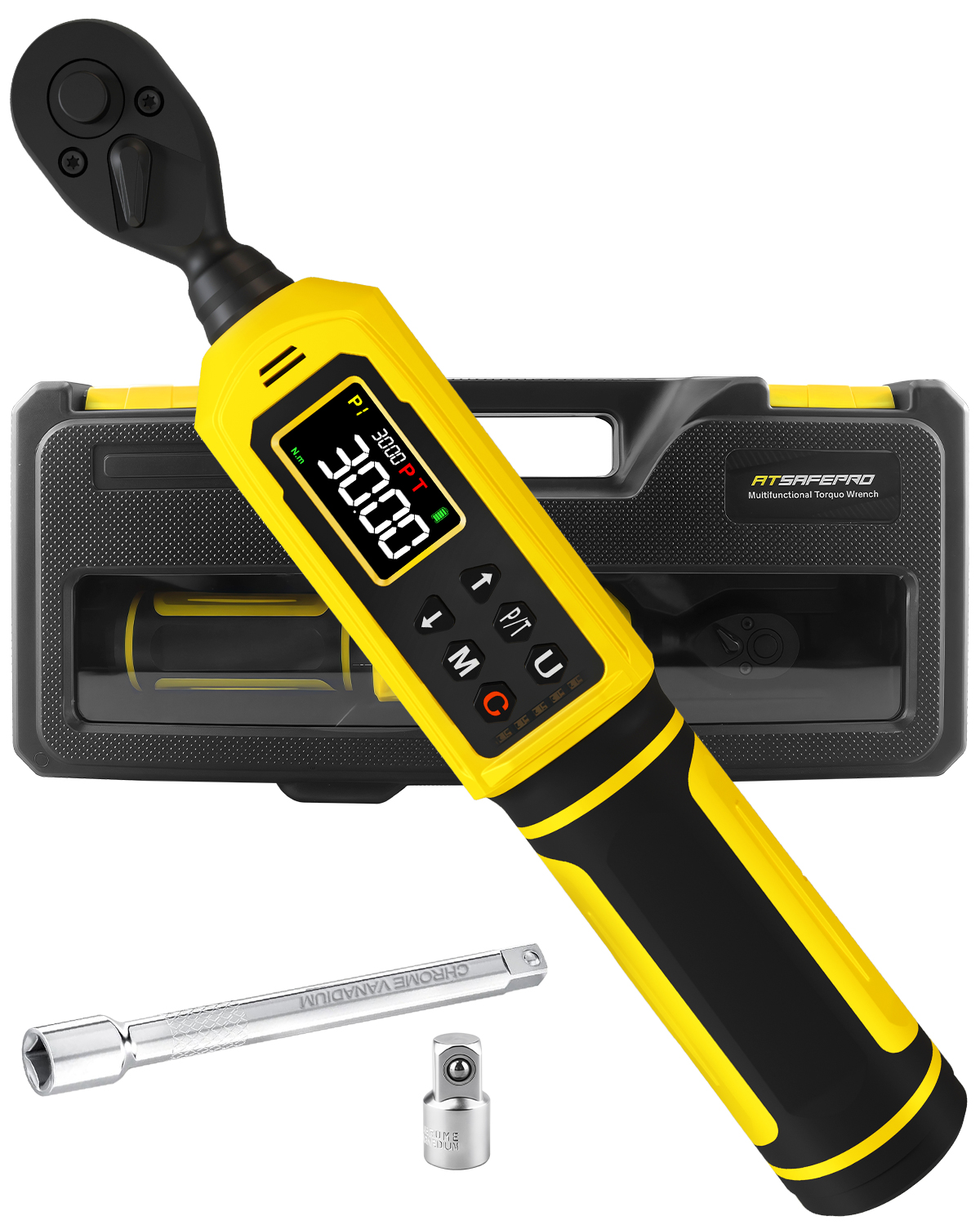
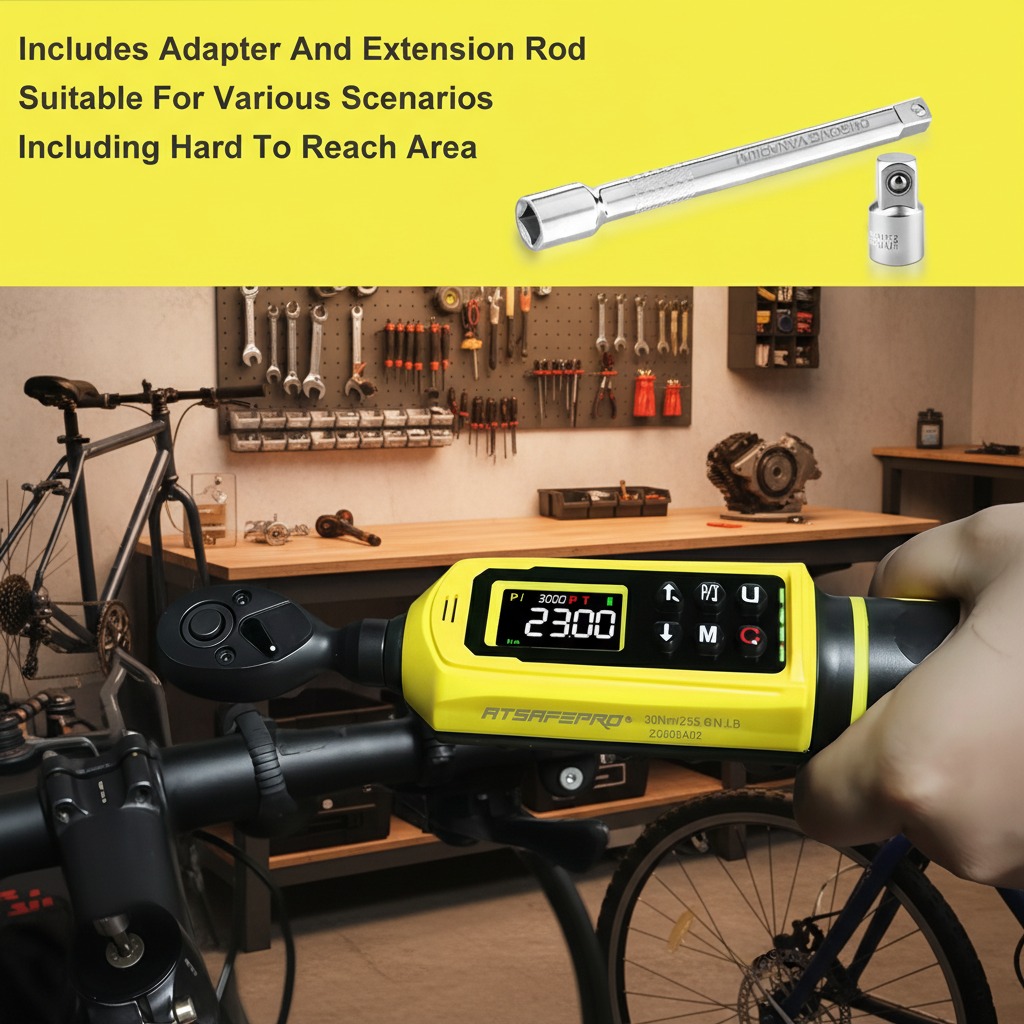
Digital torque wrenches come packed with innovative features that set them apart from their mechanical counterparts. Take the ATSAFEPRO Digital Torque Wrench, for instance, which boasts a vibrant digital display that's easy to read even in low-light conditions, ensuring users can monitor torque levels without strain. This model includes an adapter and a chrome vanadium extension rod, allowing access to tight or awkward spots that might otherwise be challenging. With a capacity of up to 30Nm (or 265.6 inch-pounds), it's versatile for tasks on bicycles, motorcycles, or machinery.
In contrast, mechanical torque wrenches rely on simpler mechanisms like click or beam indicators, which lack the digital interface for instant readings. While mechanical models are straightforward and don't require batteries, they often miss out on advanced digital torque wrench features such as audible alerts, multiple measurement units (like Nm, ft-lb, or in-lb), and data logging capabilities. The digital version's LED screen and vibration notifications provide immediate feedback, reducing the risk of over-tightening, which can damage components. For professionals, these extras mean faster workflows and fewer errors, whereas DIY users appreciate the user-friendly design that eliminates guesswork. However, mechanical wrenches shine in rugged environments where electronics might fail due to dust or moisture, highlighting a key trade-off in durability versus technological perks.
Digital Torque Wrench Accuracy: A Closer Look
When it comes to digital torque wrench accuracy, these tools typically offer superior precision, often within ±2% of the applied torque, thanks to advanced sensors and microprocessors. The ATSAFEPRO model exemplifies this by delivering consistent results across its range, making it reliable for critical applications like engine assembly where even slight deviations can lead to failures. Users can set target torque values, and the wrench will signal—via buzz or light—when reached, minimizing human error.
Comparing this to mechanical torque wrenches, which can achieve similar accuracy levels (around ±4%), the digital ones edge out due to their ability to eliminate calibration drift over time through easy adjustments. Mechanical versions depend on physical scales that may wear or misalign with heavy use, potentially leading to inaccuracies that compound in repeated tasks. In a head-to-head test, a digital torque wrench might register 25Nm exactly on multiple trials, while a mechanical one could vary by a few percentage points due to user interpretation of the click mechanism. For high-stakes jobs, such as aerospace or automotive diagnostics, the pinpoint digital torque wrench accuracy is a game-changer, though mechanical tools remain sufficient and more cost-effective for basic home repairs where ultra-precision isn't paramount.
Calibrating Digital Torque Wrench: Maintenance Matters
Calibrating a digital torque wrench is a straightforward process that ensures long-term reliability, often involving a simple reset via the device's menu or using a calibration kit. For the ATSAFEPRO Digital Torque Wrench, this can be done at home by comparing readings against known weights, or professionally every six months to maintain its ±2% accuracy. The digital nature allows for quick firmware updates or zeroing functions, which adapt to environmental changes like temperature fluctuations that might affect sensor performance.
Mechanical torque wrenches, on the other hand, require more manual calibration, typically by adjusting tension springs or verifying against a torque tester, a process that's less intuitive and prone to oversight. While both types need periodic checks—recommended annually for light use—the digital calibration is faster and more precise, often taking just minutes compared to the disassembly sometimes needed for mechanical models. This efficiency contrasts with the robustness of mechanical wrenches, which don't rely on electronics and thus avoid battery-related calibration issues. In scenarios like workshop settings, where tools see daily action, the ease of calibrating a digital torque wrench saves time and reduces downtime, but for infrequent users, a mechanical option's simplicity in maintenance might be preferable to avoid tech-related hassles.
Digital Torque Wrench vs Mechanical: Key Differences
Pitting digital torque wrench vs mechanical reveals a classic battle between innovation and tradition. Digital models, like the ATSAFEPRO, offer portability with their compact designs and extension tools, ideal for on-the-go repairs, and provide traceability through memory functions that store torque data for audits or quality control. Mechanical wrenches, conversely, are often bulkier but indestructible, with no fear of electronic failure in extreme conditions like outdoor construction sites.
Accuracy and ease of reading favor the digital side, as its display eliminates parallax errors common in mechanical beam types. Yet, mechanical wrenches are generally cheaper upfront—sometimes half the price—and don't demand power sources, making them accessible for budget-conscious users. In terms of longevity, both can last years with proper care, but digitals require battery replacements, while mechanicals might need part swaps after heavy abuse. For team environments, digital tools enhance collaboration by allowing shared data, whereas mechanical ones promote a hands-on, tactile feel that some artisans prefer. Ultimately, if your work demands versatility and tech integration, digital wins; for raw durability in basic tasks, mechanical holds strong.
How to Use Digital Torque Wrench Effectively
Learning how to use a digital torque wrench is intuitive, starting with selecting the unit and setting the desired torque on the display. For the ATSAFEPRO, attach the appropriate socket, ensure the extension rod is secure if needed, and apply steady pressure until the tool beeps or flashes, indicating the target is met. Always store it at zero torque to preserve the mechanism, and avoid exceeding the max rating to prevent damage.
In comparison, using a mechanical torque wrench involves pre-setting the handle scale and listening for the click, a method that's reliable but requires more practice to master the feel. Digital usage reduces training time, as visual and auditory cues guide even novices, making it ideal for mixed-skill teams. However, mechanical operation builds a sense of control through physical feedback, which can be satisfying for experienced users. Common pitfalls with digital include ignoring low-battery warnings, leading to inaccurate reads, while mechanical errors stem from improper scale settings. By following manufacturer guidelines—like those for the ATSAFEPRO—you'll maximize safety and efficiency, whether choosing digital for its precision or mechanical for its simplicity. This comparison underscores how both tools elevate workmanship, tailored to your specific demands.
In summary, while digital torque wrenches like the ATSAFEPRO bring cutting-edge features, unmatched accuracy, and ease of use to the table, mechanical versions offer timeless reliability and affordability. Weighing these against your project needs—precision for pros or ruggedness for basics—will guide your choice, ensuring every twist is just right.